-
How to write in first, second and third person

When a writer writes they create a piece of work to entertain the reader. The ultimate aim is to engage the readers in a meaningful manner with the written piece. This engagement occurs when the writer can comprehend several writing viewpoints. A writer needs to know how to write in first, second, and third person which are called points of view.
The following article intends to clarify what are the first, second and third person. Also, points of view so that writers can select the most appropriate one for their written endeavours.
What is a point of view?
Every genre of writing has a point of view (POV). The narrator’s position or perspective from which the narration is being done is referred to as the point of view in English. The reader is informed about the character experiencing the event or subject of the writing through the author’s point of view.
So, a writer needs to understand the different points of view in English.
Points of view are described as first person, second person, and third person. Point of view affects both grammar and how a story is told. The grammatical definition of point of view focuses on the pronouns that are employed in a certain situation.
What are the first, second, and third person points of view?
A point of view is first and foremost the position from which a piece of material is written. The first, second, and third person are the three different sorts of points of view used in literature. When someone writes in the first person, they are the speaker, according to the convention. If the writer is addressing their readers, then they are employing the second person point of view. Last but not least, the third-person viewpoint makes it clear that the writer is speaking to a different individual.
Any writer must study the grammar behind the first person, second person, and third person points of view. It is important to understand how to identify the first, second, and third person narratives to produce content that attracts readers.
How to identify the first, second, and third person points of view?
Points of view often fall into one of three categories: first, second, or third person. To know how to write in the first, second, and third person, writers should know how to identify the first, second, and third person. To make the reader feel as though they are experiencing the narrative firsthand, draw them deeper into it, or present the readers with differing perspectives, the author chooses a point of view. Point of view examples include the following:
- First Person POV (The reader is experiencing it) – “My stomach gurgled hungrily when I smelt the food.”
- Second Person POV (Force the reader into the story) – “Your stomach gurgled when you smelt the food.”
- Third Person POV (Show different points of view) – “The children smelt the food and their stomach gurgled.”
Sometimes it can be difficult to discern a writer’s point of view in their writing. Bypassing the conversation in favor of the narration and focusing on the pronouns used there, one may determine the point of view most effectively:
- First-person: I, me, my, mine, myself, we, our, ours, ourselves
- Second person: You, your, yours, yourself
Third person: She, her, hers, herself, he, him, his, himself, they, them, themselves, their, theirs
POINT OF VIEW PRONOUNS 1st, 2nd, 3rd Person Subject Object Possessive Reflective det. Pron. Singular 1st I me my mine myself 2nd you you your yours yourself 3rd male he him his his himself female she her her hers herself neuter it it its its itself generic or 4th person one one one’s – oneself Plural 1st we use our ours ourselves 2nd you you your yours yourselves 3rd they them their theirs themselves 1. First Person
First (1st) person point of view is the speaker or writer. Humans typically use the first person to discuss themselves, their beliefs, or their experiences. One can read a first-person perspective whenever a writer wishes to convey another person’s life. Every reader of the text gains insight into the character’s life when it is written in the first person.
First-person singular pronouns like I, my, mine, and myself, as well as plural pronouns like we, us, our, and ourselves, are used to indicate the first-person point of view.
The Bell Jar by Sylvia Plath, The Catcher in the Rye by J. D. Salinger, and The Handmaid’s Tale by Margaret Atwood are a few well-known books written in the first person point of view. Writing in the first person puts the reader inside the main character’s thoughts, but because the writer cannot reveal any knowledge that the main character is unaware of, the narrative is made more difficult. A movie seldom uses a first-person viewpoint; instead, it must be what the character sees with his eyes, making the camera a character. This is shown in the movie Blair Witch Project. First-person sentences examples:
- I never feel alone when my sister visits me.
- My dog likes to visit the beach.
- We often visit the mall on weekends.
Where to use first person?
- Autobiographies
- Journals or diaries
- Fiction
- Essays
- Blogs
- Reading records
- Song lyrics
- Poems
- Letters (formal or friendly)
Avoid using the first person in –
- Academic work
- Instructions
2. Second Person
Second (2nd) person point of view is the person being talked to, whether orally or on the page. It is called the “you perspective. The viewpoint is that of the person or people the narrator is speaking to. You, yourself, your, yours, or yourselves are examples of second-person pronouns that can be used to identify a second-person perspective.
A person typically utilizes a second person point of view while writing an email, letter, or how-to book. Although it’s quite uncommon to write a book in the second person, Sigrid Nunez’s The Friend is a successful example. As the characters on screen would have to be speaking directly to the audience, adding the audience as another character to the drama, the representation of a second person point of view is even more uncommon in film. Examples of sentences in the second person:
- You go to the farmer’s market on Saturdays.
- Your shoes need to be polished.
- Your first action should be to prepare a draft of the main plan.
Where to use second person?
Instructions
Directions
Avoid using the second person in –
Academic writing
3. Third Person
Third (3rd) person point of view refers to the person being spoken about; it does not refer to either you or I. Although his, her, hers, its, they, them, and theirs are all third person pronouns, he, she, and it are the most often used. Nothing surpasses the third-person perspective for the writer who has to communicate many interconnected stories, create psychological distance between the subject and the reader, or maintain objectivity. The third person point of view is most frequently utilised while writing fiction, however third person writing is also the norm for academic articles. Additionally, the majority of quotes and aphorisms are written in the third person.
The Scarlet Letter by Nathaniel Hawthorne, 1984 by George Orwell, and the Harry Potter series by J. K. Rowling are all well-known novels written in the third person. The third person point of view is used in the majority of movies. Examples of sentences in the third person:
- She opened her boutique last year and has been successful.
- He was sad when his grandparents went back.
- She hurt herself on the stairs.
Limited Third Person
When the narrator only has partial knowledge of the characters’ experiences and ideas, this is known as a third-person limited point of view. The third-person limited viewpoint frequently denies the narrator access to the ideas and encounters of more than one character.
Omniscient Third person
When the third-person omniscient point of view is used, all of the characters’ experiences and innermost thoughts are revealed to the reader. An omniscient narrator is aware of all of the characters’ thoughts throughout the novel or short story, including those of the main character.In fiction, third person allows a writer to put the reader into the heads of all the characters, explain important plot points, and present information in a seemingly neutral way.
Can third person be used while speaking?
Even though speaking in the third person is uncommon, some people do it. It may be used to great humorous effect or to catch someone’s eye.
Is there a Fourth Person Perspective?
A word for vague or general referents is the fourth person point of view. The word “one” is a frequent example in English, as in “one should know better.” This example refers to a general person.
The third person generic perspective is another name for the fourth person point of view.
How to choose a point of view?
Our writing is a natural vocation and cannot be forced. It is your responsibility as a writer to give considerable thought to the best fitting point of view. If the point of view appears uncomfortable, many writers will go back and revise the piece.
The above paragraph was uncomfortable to read as in only three phrases, that text switched from first person to second person to third person!
When the narrator is an unreliable reporter, the first-person point of view or first-person narrator might deceive the reader into believing what they are saying (great for mysteries, recounted tales, and fictional confessionals).
A simple and direct narrative works best in the second person (for children, recipes, assembly instructions, and the like).
The reader is kept the farthest away from events by a third-person narrator. It is virtually always regarded as a trustworthy, impartial perspective. When writing in the third person, the author can either choose to be omniscient (all-knowing, all present) and switch between the points of view of all the characters, or they can choose to focus on just one character.
Hopefully this article will help the readers to determine how to write in first, second, and third person.
Get in touch with us for professional content writing as per your requirements. Learn More.
-
How to write in APA Format?
 Table of Contents
- Why is APA formatting so essential in psychology and other social sciences?
- Categorize your Paper
- Title Page
- Abstract
- Central Parts
- Tables
- Table Titles
- References
- Guidelines for Basic Reference Pages
- A Guide to Using References Within the Text
- 1. Periodicals and Scholarly Journals
- 2. Books
- 3. Digital Documents
Academic writing in the social sciences and psychology is frequently carried out by the APA (American Psychological Association) style handbook. The APA style manual addresses a variety of formatting issues in academic writing, such as those involving citations in the work’s text and references, as well as the abstract and title page. You can study the in and out of the APA writing style by using APA format examples.
Why is APA formatting so essential in psychology and other social sciences?
By utilizing the APA style while writing on psychology, researchers and students can present information about their theories and studies in a consistent format. By using a consistent writing style, readers can spot important details in journal articles and other types of psychological writing.
If you’ve never had a psychology or social science course before, you’re probably used to using a different style guide, like MLA or Chicago. After being taught one set of guidelines for citation and paper structure for years, many first-year college students are taken aback by discovering that the APA style is mandatory by many universities.
It’s not easy to switch between formats, especially if you need to adapt to them for different courses. Mastering the fundamentals and saving a handful of useful links will ease the transition to the new format.
Aside from certain general guidelines, all APA papers must adhere to the APA style. Among these are:
- Paper size 8.5 inches by 11 inches (A4) is recommended for typing.
- Leave a space of at least one inch on all sides.
- Include a cover page, a bibliography, and an author’s byline.
- You should use a clear typeface (font) like Calibri or Times New Roman.
- It is recommended that you double-space the entire paper.
- Right-justify text to the left margin.
- Use a half-inch indentation for paragraph introductions.
Categorize your Paper
The standard format for a research paper calls for four parts: an introduction (title page and abstract), a body (body paragraphs), and a list of sources (references).
Title Page
Title, author, and institution information should all be on the title page. Then, give the course number and name, the professor’s name, and the due date for the paper. What the paper is about and who wrote it should be prominently displayed on the title page.
An APA title page can be written in either the student or the professional style. The essentials for the student edition are
- Working Title
- All of the paper’s authors’ names (the byline)
- Author affiliations (the university attended including the name of the department)
- Name and number of the course
- Designation of the Educator (check with the instructor for their preferred format)
- Date due for assignment (i.e., November 4, 2020)
- A page reference
For a professional, APA includes:
- Title of Paper
- List of Authors’ Last Names Paper (byline)
- Each author’s institutional affiliation Author’s note
- Prismatic Heading (an abbreviated version of the paper title)
- Page reference
The title of the document should be in title case, bold, and centred for both academic and professional papers. About three or four lines down from the page’s top is where it has to be placed.
Put the byline under the title of the paper. Before the title and after the byline, there needs to be a single blank line double-spaced. Identifying information should follow the byline, not precede it. The author’s note appears after the affiliation in scholarly works.
An author’s note expands on the paper’s authors, research registration, data sharing, disclosures of any conflicts of interest, and contact information. It is customary for authors to acknowledge the contributions of their research’s financial backers in an author’s note.
Make that the page number appears in the upper right-hand corner of every page in both the student and the final, published APA article.
Abstract
Following the title page of a research paper is the abstract, or paper summary. A good rule of thumb is to keep your abstract to 100–200 words, though this may vary depending on the requirements of the journal or your instructor.
You can think of an abstract as a short synopsis of your entire paper. If you are a student, you should inquire as to whether or not an abstract is required by your professor.
Use these guidelines as a guide while creating your abstract:
- After the title page, there will be a separate page for the abstract.
- The word “Abstract” should be written in boldface and centred at the top of the page.
- One line after that, briefly discuss the paper’s primary arguments.
- While abstracts will vary in length and detail, they will normally comprise the following sections: Introduction; Research question(s); Participants; Methods; Data Analysis; and Primary Conclusions.
- An abstract should be no more than 250 words and written in a single paragraph with double spacing.
- According to the “Publication Manual,” an effective abstract combines precision, consistency, and brevity. Make sure the abstract does not contain any new material that isn’t included in the main text of the study.
Central Parts
The main body of your work, in the case of an essay, would be the content of the essay. Lab reports typically have a more sectioned-off main body than other types of academic writing. Each lab report should have an introduction, methods, findings, and discussion part.
Tables
A table is a terrific way to present a large amount of data in a way that is yet easy to read and understand. Tables are a common way to present statistical findings and other numerical data in APA-style papers.
There are cases where a tabular presentation is inappropriate. If you can only provide limited numerical data, you should describe it in the body of your article.
The “Publication Manual” suggests putting the reader in mind when creating your table. Make an effort to present information in a way that is straightforward to grasp.
When including a table in a publication, keep these guidelines in mind:
- Place a unique title at the top of each table. According to APA guidelines, it ought to be underlined and capitalized.
- After the bibliography, start each table on a new page.
- All tables should be numbered (i.e., Table 1, Table 2, Table 3).
- Include a table reference for each one you use in the body of the paper.
Keep in mind that the purpose of the table is to enrich the paper rather than to repeat the text. You shouldn’t feel obligated to explain every part of your table in the body of your content. The reader may become frustrated and confused if unnecessary details are included. Limit your reports to the most pertinent information.
Instead, focus on making your table concise. Mention significant points and advise the reader what to look for in your table.
Table Titles
When creating titles for tables, keep the following in mind:
- You should capitalize the initial letter of each heading.
- Use an informative heading for each column to separate the data.
- In the table itself, abbreviate commonly used phrases. A notice explaining nonstandard terms should be placed under the table.
References
All of the sources you consulted to write your paper should be listed in the reference section. All of the sources you used in your paper should be listed here with the appropriate citations.
Keep in mind that you must list all sources that were used to compile your work in the bibliography. It is expected that all sources cited in the bibliography will be discussed in some context within the body of the article.
On a fresh page, boldly print “References” in the centre of the page. Don’t emphasize the title by making it stand out with bold or italics or by enclosing it in quotation marks.
Guidelines for Basic Reference Pages
Following these guidelines will help ensure that your reference page is properly formatted:
- The references should be arranged alphabetically by the last name of the first author of each cited work.
- It is standard practice to capitalize the first letter of each important word in a journal-title.
- All names of articles should be capitalized just once. The initial letter of the word following a colon in a title should likewise be capitalized. Avoid using quote marks, underlining, and italics when presenting the title.
- Always use double spacing when citing sources.
- The names of books and scholarly publications should be italicized.
- When numerous works by the same author are referenced, the earliest should be listed first and the most recent should be listed last.
- Each reference should have a hanging indentation, with the initial line aligned to the left and subsequent lines indented.
A Guide to Using References Within the Text
Whenever you use someone else’s words or ideas in your paper, you must give them credit by citing their work. In-text citations are references made to a source within the text of a document, and APA style requires that you provide credit to the original author and the publication date.
1. Periodicals and Scholarly Journals
Your reference list should include journal articles in alphabetical order. More advice on APA style, including
- It is standard practice to capitalize the initial letter of the first word in a title, subtitle, or proper noun.
- The title of the publication and the volume number should be italicized.
Journal articles are often cited by listing the last names of the authors, followed by the first initials of their first names. The year of publication comes next, followed by a period and a pair of parenthesis.
After that, you should type the title of the article, being sure to only capitalize the first letter of the first word and the first letter of any proper nouns.
Following the comma is the journal’s name, which should be italicized. Next, in italics, add the volume number. After the comma, include the issue number in parenthesis.
Then, insert the page numbers, separated by a hyphen if they span multiple pages. Put a full stop after this sentence. Finally, if a DOI number is accessible, a hyperlink to that number should be supplied.
2. Books
This typeface (font) is suitable for use in published works. Refer to this format when referencing a book:
- Author’s name in full (last name, first initial)
- Parenthetical publication date
- In this case, the book’s title is italics
- Include the book’s edition in brackets if applicable.
- In the name of the publisher
- DOI identifier link
3. Digital Documents
A digital reference is quite similar to a printed one in terms of its basic structure. But the document’s URL should always be included.
To conclude, even though your essay or research paper follows a similar general structure, your professor may have very different expectations. Your instructor may additionally want you to keep and submit a bibliography in APA style, in addition to the reference page.
Get in touch with us for professional content writing for your requirements.
-
How to write an Executive Summary
 Table of Contents
What is an Executive Summary?
An Executive Summary is a document that rounds up all the points of a report in a structured way so that the report’s gist can be read quickly and effectively. An executive summary is a formal and official document, same goes for the language of an Executive Summary. An Executive Summary is also called Management Summary.
Why write an Executive Summary?
Writing an Executive Summary is a formal task and requires working hard. The reasons to write an executive summary are listed below:
- As a Precap – Many times Executive Summary is written before the actual report or business plan. This gives an insight into the business plan or report beforehand and helps make decisions. Many businesses need funds or before forming a business partnership, this type of executive summary is submitted.
- To Save Time – An executive summary contains an abstract of the detailed report and is quick to understand and read. When the executive summary is written before a detailed report, it will save time as it can be decided whether to take the plan further or not. In case of an after-report Executive Summary, it helps to rectify problems of the project and acts as a lesson for mistakes not to be repeated next time.
- Better Understanding of the report – An Executive Summary contains various graphics and other visual data to make a shorter version of the detailed report. This data type ensures that report is easy to understand and too much grovelling is not required to go through it.
- As a Recap – When an Executive Summary is written as a recap of the main project report or a business plan, it includes all the points and some additional points as an after- thought of the main report. This not only covers the entire plan but any changes if required or done.
Types of Executive Summary
Writing an executive summary is important but before that types of Executive Summary need to be understood. It is divided into two types:
- Executive Summary of a Business Plan with an example – A Business Plan consists of all the areas of a Business that is Marketing, Sales, Operations, Management, and Finance. While making an executive summary all the components are taken into consideration. It can also happen that an executive summary of all the areas is made on different pages to get a clear division-wise view. This text format view helps to understand.

Executive Summary of a Report with example – A Report is the presentation of what happened which means Report of a Business will give details of things and feats already achieved or problems already faced by the company. The Executive Summary of a Report whether it is a Business Report, Project Report, or Technical Report is on the same steps. Below is an example of an Executive Summary of a report in text format.

How to write an effective executive summary
- Complicated to simple – To make an effective Executive Summary, it is very important to break it into an easily understandable format. Detailed reports or Business Plans are often complicated with a lot of text. No one has the patience to read it over and over and that is why an Executive Summary of a business plan is made.
- Length – Length is important to be taken into consideration before writing an executive summary. A good length of an executive summary is One page for up to 20 pages of a detailed report, which will be a short executive summary.
- Type – Understanding the type of executive summary to be written is important. If it is written before the detailed plan then it requires a different template which is given above. Precap executive summary caters to projections and plans more. On the other hand executive summary written after the long reports focus more on things done by the company or things that were done during the project.
- Cover page – the cover page of an executive report gives it a professional outlook and aesthetic look. The cover page of an executive summary also covers the facts and figures of the first page which are generally intended for the proper recipient.
- Graphics – An Executive summary is shortened on purpose for ease of reading. For the same reason, it is inevitable to use graphics or charts to portray statistics properly. One graphic will reduce the text considerably and make for a short executive summary.
- Facts and Figures – Facts and figures are highlighted in a long-form report but in an executive summary of a business plan, or an executive summary of a project report, facts and figures are the majority part. To make an effective Executive Summary, facts and figures are to be included.
Sample of an Executive Summary
Executive Summary
ABC Travels CO. – “To Travel is to be Alive”
Falling revenue in electric buses within city limits.
Established in 1983, ABC travels Co is a big name in the world of city tours. The company has been catering to all needs of customers with regards to city tours and short one-day intercity tours.
The company launched electric buses for city-wide tours in 2021. There have been some problems with the ticket machines at the company’s private bus stops which has led to a downfall in revenue through bus fares.
The company engineers and technicians have visited the sights and found a solution to the problem. Every ticket counter at all bus stops will be enabled with the internet to get the reports of any problems encountered. Reports will be run every 2 hours to fix the problem quickly. This will also add a feature of passenger help and safety which will in turn increase the number of tourists opting for ABC travels co. The total number of bus stops owned by the company is 100.
Costs involved in implementing the solution will be 200 k and it will be recovered in a span of 3 months.
The problem has been recognized and the solution has been found. This Executive summary of business reports establishes the projections of the last financial report of the company.End Note
The Executive Summary is an important document that when written properly can provide vital information about a company, a project, or a business proposal. An executive summary for a Project Report can give valuable insights about problems and solutions for the project. An Executive summary for a Business Proposal gives an idea of the future of the company’s ventures.
Writing an Executive Summary requires some practice but with time the skills to write it becomes better. Even after searching google and practicing, writing an executive summary is hard then do get in touch with us for professional content writing for your requirements.
-
How to write short stories

Introduction
Even the most experienced readers may not always immediately understand how to compose a short story. Therefore, we can help you produce a short tale that will get published, win an award, ace your task for school, or simply touch the heart of one reader.
What is a short story?
Although they can be stressful to write and challenging to master, short tales are frequently a fiction writer’s first experience with writing.
A short tale is a prose fiction piece that may be read in one sitting, often taking 20 to 60 minutes. If you Google “how long is a short story,” you’ll find a tonne of different responses. Numerous editors are running a wide variety of anthologies, publications, ezines, podcasts, and more.
Because they all have slightly different requirements for the content they must produce for their platforms and the audiences they serve, they all have slightly varied definitions of what a short tale is.
For example, a podcast frequently requires a story to occupy roughly thirty minutes of airtime. They are searching for a very exact word count since they are aware of how long it takes their producers to read a story.
What Justifies Short Story Writing?
Everybody desires to publish a book. (Okay, maybe not everyone, but I’d wager that 70 or so out of a hundred people would say they’d like to write one.) Because no one likes to read anthologies and short story collections, they don’t generate a lot of revenue.
The main reason you should start writing short stories are as follows:1. Get a Habit of writing:
Writing is a habit, just like exercising. If you take a lot of time off, it will hurt when you resume your activity.
Short stories serve as a good respite between larger projects and can help you maintain or build a writing habit.
Between novels and even between different draughts of my novels, I always write short tales. It motivates me and makes use of all the illogical plot concepts I came up with while working on the bigger project. Over the years, I’ve discovered that maintaining a writing practice is the only way to truly keep yourself in “writer mode.”
2. Get Trained Yourself:
You may improve your writing by composing short stories.
In short stories, there is frequently just one scene and one character. You can’t have that amount of focus while reading a book. Short stories encourage you to concentrate on writing precisely and succinctly while still delighting the reader.
Why Prompts for Creative Writing Are Beneficial For Short Story Writing?
1. Get some language practice!
Even natural English speakers like me are on a language learning journey to become proficient writers. You need to practice if you want to advance in your language learning. The use of creative writing exercises is simple and enjoyable.
Use the writing prompts below to work on your storytelling and language skills. You’ll get better as a writer the more you write.
2. To create your concepts.Perhaps you already have thought, but you’re not sure if it’s a good one. Or perhaps you believe that it only requires a little component to be improved. You can fill in the narrative holes in your novel and come up with original ideas by reading other people’s ideas and merging your favorites into your own.
3. When you are stuck and lack inspiration.
You might want to write but find it difficult to come up with any ideas. You may find some inspiration to get going, or you could just stand there and stare at the empty page. Even better if the collection of suggestions is drawn from our favorite storylines from the 10 years we’ve been releasing courses, writing prompts, etc.
How to Write a Short Stories?
1. The Story In One Sitting.
Short stories are typically intended to be read in one sitting, therefore it makes sense to write them in one sitting as well.
A 2,500-word short tale can easily be completed in a single sitting, but, if you’re in the 10K level, that’s going to require more than one writing session. Although it could seem a little intimidating at first, you’ll discover that your enthusiasm will spur you on to the conclusion, and your story will flow better as a result.
2. Emphasis on Character Building
You need to have a strong understanding of your character for a short narrative to have an impact. Since the major characters of short stories frequently drive the plot, strong character development is crucial.
You only have a limited amount of time to introduce that person to your readers, and if you don’t even know who they are, you can’t do that.
3. Start with something unusual.
Consider Hannah Lee Kidder’s illustration in the video up above. Her collection of short stories, Little Birds, opens with a woman gathering roadkill.
You should write an introductory scene that will immediately grab someone’s interest if you want to keep them reading your novel.
As you revise, consider whether each piece of background information, worldbuilding, or other detail is necessary for the reader to understand.
4. Edit with a focus on conciseness
You’ve taken a break and are now prepared to return with a vengeance. Now is the time to “kill your darlings” and show no mercy to the story you just finished writing a week ago. You should be more critical after the second draught.
But short stories must have a start, a middle, and a finish. Despite being brief, they are nonetheless stories.
5. Outline
Fortunately, outlining a short story is considerably simpler than drafting a full novel, but I still suggest doing so to ensure that the plot flows smoothly from beginning to end.
This is undoubtedly helpful for those of you who prefer outlining to writing intuitively.
- Your chosen point of view
- how you’ll begin the narrative
- How you will get from the start to the main problem
- What transpires during the “climax” (yes, short stories have one!)
- Getting the main problem solved
- the very last
Always keep in mind that the craft of writing a short narrative might conclude suddenly or you can develop it until there is a satisfactory conclusion.
The choice is entirely up to you as the author. You can outline your book by using the same techniques you use to write short stories.
Writing Better Short Stories: Some Tips
Due to their limited word count, short stories are considered to be a distinct art genre. I’ll go over how to create a better shot in this piece, including how to cram all you want and need into that meager word count.
How to Send Short Stories to Magazines
There are numerous literary periodicals, ezines, anthologies, etc. that publish short tales To help you submit your tales to publications and start putting your work out there, I’ll demystify the submission procedure in this article.
Conclusion
It is a challenge for you to start writing at least one short story a week as you continue to read this series. As we move along. That one habit is the most challenging to establish and maintain.
All of the tales you plan to create during the upcoming months may not be used. You might despise them and wish they would never exist. However, if you don’t practice, you won’t improve. Practice right away.
Get in touch with us for professional content writing for your requirements. Learn More.
-
How to Write Movie Scripts
 Table of Contents

We all have grown up watching movies, be it Bollywood, Hollywood or regional cinema you must have watched a lot of movies. A thought must have crossed your mind at some point in time about how interesting it is to write these movies. It is a very fascinating thing to do, write movie scripts but how exactly are these scripts written is their particular way to go about it. Creative writing is something that changes from person to person, but there are certain steps that you can follow if you wish to write a script. Although let me make it clear, writing a script for a film is not an objective process that you will learn by understanding the steps you need to have creativity and imagination to be able to write a script.

How to Write movie scripts What is a movie script?
First of all, let’s understand the meaning of the word “script”. The script is a format which presents an audiovisual story for a particular medium. It can be a drama script, a video script or a full-length feature film script. A script consists of characters, situations, dialogues and descriptions but a movie script is much more than that. It has a detailed description of how things would look on camera and it is defined as “a screenplay”. In simple words, a screenplay is a more detailed version of the script. It should be understood that script and screenplay are not the same things but popularly still script is used more often.
Steps of writing a movie script –
1. Concept
It is a thought or idea that you have at the primary stage of writing a story, not the start of scripting, but the base of the script that eventually gets made through the process. It is very simple yet very difficult to think about as there can be thousands of interesting ideas but very few can transform into a great story. If you don’t find the right concept your whole hard work of creating a story doesn’t take you anywhere. You can go on writing various concepts though before finalising one idea as it doesn’t take much time to create concepts.
2. Outline
It is the next step that follows the concept. It is something that requires imagination and observation. You need to create a situation where this concept will be presented in the best possible way. The outline is a short description that creates a summary of the entire story that is written by the writer. It allows the writer to build scenes around it, it is a very important step in creating a world based on your concept.
3. Three-act structure
When you write an outline it creates your basic story now you need to go further into detail. This includes the beginning, middle and end, as you must have seen every movie has a beginning, middle and end. This can be in chronological order or reverse order, that is your story can have a linear storytelling pattern having a beginning, middle and end in the right sequence or it can start from the end or middle and travel back to the beginning. It all depends on the writer and how he or she wishes to tell their story. In the beginning, the story starts to open up, and as it moves forward it reaches an important point in the middle, making people wonder what will happen next. Then the end which is also referred to as the climax tells the viewer the ending point of your story.
4. Treatment
Treatment of the story is very important while writing a script. It is a way in which the writer imagined the story to be told to the viewers. When you watch any movie you quickly identify whether it is a comedy film or tragedy or it is a social drama. Treatment is a style of the film where each writer has his way of telling the same story, the same story told by ten writers seems to be different because they use different treatments. You can do one exercise, Take similar stories and watch those stories made by different writers and directors.
5. Scripting
This is a very actual script term that comes into the picture. When you have a concept and you develop a story around it, then you decide its beginning, middle and end, you give it the desired treatment now it’s time to create a script. Scripting is a step where the story gets divided into scenes, each scene being of a few minutes it takes the story further by some percentage. It has characters, situations and descriptions of how situations will occur. Scripting is where you get some idea of how this story will turn out to be when it comes in the form of a film.
6. Screenplay
Now once you are done with scripting it’s time to go into more detail and add a final step to it, that step being the screenplay. Even though some people like to write a detailed screenplay first and then add dialogues to it just before the shoot, some like to write a script and decide on a screenplay on the spot. They finalise how to shoot the scene on the spot by creating a scene and deciding the different possibilities based on their intuition. Once you complete the screenplay your formal process of writing is completed. Then you work on the assessment of the written script.
7. Assessment
When you complete the scripting, you need to do an initial assessment. It’s not a process that can be done in one go. You need to work on the script again and again because you want to make it better with each version. This assessment stage is important for this purpose, you should read your script in front of your friends, and make sure that you get reactions from people with different tastes. Whoever you are taking reactions from asks them to be brutally honest if they don’t tell you what you are getting wrong you won’t improve it. It will lead to the final product being mediocre. You can’t let it be as it is made from a lot of hard work so you want it to be good.
8. Format of the script
The format of the script is very important as it creates a formal look to it. There are some standard conventions for writing a movie script; these conventions are followed by all the writers who work in the industry. The standard format of the script is 8.5 ” to 11″ paper, with top and bottom margins are 5″ to 1″, left and right margins of 1.2 to 1.6 and 5″ to 1″ respectively. The standard font for scripts is Courier 12 its one page is approximately one minute of screen time so it is their preferred font.
How can you learn about writing movie scripts?
1. Online courses –
Nowadays there are a lot of online courses that present you with tutorials on writing a movie script. These lectures are conducted by professional writers from the industry. There are platforms like masterclass and front row which have courses that can help you in writing scripts. Masterclass has experts from the Hollywood film industry talking about the process of screenwriting while the front row has writers from Bollywood guiding you in scripting. If you can spend more than a thousand rupees per month you can opt course from the masterclass. If you can’t afford it you can always opt for a front row course which has a one-time fee of thousand of rupees. Other than these courses on how to write a script there are many video tutorials on youtube where you can understand the basics of script writing without paying anything.
2. Read scripts of popular movies
You can go online and read scripts of popular films from at least Hollywood and Bollywood. As many scripts of these industries are available free of cost online. There are websites like film companion where you can get Hindi film scripts and websites like studio binder where you can get scripts for Hollywood films.
Conclusion
If you look at the process of writing a script in simple terms there are two important parts to it. The first part is it is a creative process hence it requires you to follow your thought process at the same time it has its technical aspects and procedures which one needs to follow one after the other. These aspects have been explained in detail above, if you follow these steps and work with your creative intuitions you can create wonders as a screenwriter
-
How To Write A Newsletter
There is no doubt that emails are considered a powerful tool for writers and marketers. Even though newsletters may be challenging to create, we must strive to create the right ones. When it comes to effectively maximizing your email marketing goals, it’s not only crucial to comprehend how to write a email newsletter properly, but also to make sure that it fulfills all the necessary checklists.
Newsletters are by far the most important tools for marketing that require and capture your attention, effort, and dedication. The main aim of a newsletter is to build trust and rapport with your target audience. It is not possible to gain trust by simply sending out an unstructured email newsletters.
Additionally, you need to be aware and should be versed in the best practices and considerations when writing your weekly or monthly newsletter. We have compiled The following list which contains 8 ideas for starting a new email newsletter and making sure that it hits the right spot.
In this blog, we’ll discuss how to properly compose a newsletter, including proper advice, detailed guidance, and instructions, plus some unique ways with which you can polish your newsletter to perfection.

How To Write A Newsletter Basic objectives
1) Identify Your Objective and your tone
It’s crucial to be clear and concise with your goals whenever you start something new. In the same way, you should have a clear understanding of what your newsletter must embody, i.e., be sure about what your brand voice is and what it stands for.
Additionally, it must be consistent with the tone you use in all of your advertising mediums. Give your audience more of what they like. It is because they have shown interest in your brand. Keep it informal. Use bullet points, emoticons, and brief words.
Consider that you are emailing your friend. What language and tone would you employ in your email?
When appropriate, utilize humor, add in some fine details, and use your creative skills to build rapport. You can add in questions, express an opinion on current affairs (if it aligns with your brand), share true experiences, and consider yourself in their position.
Some other objectives and goals that you should have for your newsletter are as follows 1. Making sure that it increases sales
2. Catchy slogans, being trustworthy, and being directly proportional to the buzz that you create on social media. Newsletters should therefore help you in increasing your social media presence.
3. Check the fact that there is Increasing interest and enrollment from your audience.
4. Make sure that it is catchy, garnering more people to a particular landing page.
5. Publicizing your fresh goals and services.
6. Creating and amplifying your brand awareness and presence
7. Make sure that you are strictly adhering to your clients and potential clients.
2) Choosing A proper Theme For Your Content
Themes make everything better. And therefore, newsletters must be more than just glorified marketing ads. Your writing must be concise, clear, and focused on a particular theme.
Each issue of your email newsletter should have a unique theme. Research shows that subscribers don’t desire content that covers too many subjects or offers too much information. Try to stay away from bland and repetitive themes. A messy subject is not something they want to look out for.
You must have a particular theme that keeps your narratives concise. Briefly summarize everything concerning that theme so that it encourages your viewers to be interested in your brand.
3) Making sure that there is a standard format
Choosing a format for your newsletter is one of the most crucial steps. Your publication’s success will depend on it. Your audience and the format should be compatible, and they should complement each other. Whatever format you decide on, your email newsletter should be concise and well-targeted. Every newsletter should follow the same format.
Some of the things that you can include while formatting your newsletters are as follows:
Lists, headlines, and titles with succinct blurbs
A list of bullets and numbers
- single narratives
- headline type with brief blurbs
- always make sure that you are including paragraphs
- include simple words and avoid words that are difficult to read.
4) Following the schedule and being consistent with it
What is life without discipline? Similarly, for a newsletter to be effective, consistency is essential. It is your brand’s responsibility to be disciplined and consistent! Your audience anticipates frequent communication from you and hence you must fulfill the commitments that they made.
If they have subscribed to a weekly email, you know that they are anticipating it, and hence, being consistent with your newsletters each week will help in fulfilling the desired expectations that they have with you. If they have subscribed to a monthly newsletter, it’s crucial that they only receive one newsletter at the beginning of the last week of the month. For starters, make sure that your audience is signing up for a monthly or weekly newsletter.
5) Ensuring that you stick to your brand
It is your responsibility to always be aligned to your brand and on your subject because people unsubscribe from emails if they feel that the content is irrelevant. For instance, if your company is in the food industry, avoid discussing the local politics or weather, or fashion trends. Your subscribers will not care if it is unrelated to your brand.
You must introspect the image of your brand that your email subscribers have in their minds and be as per it. This would be a terrific thing to do in your newsletter. The fastest approach to gain their trust, win them over and develop a stronger relationship with them is through emails with email newsletters.
6) Make sure that you master the art of balancing promotion and information
Your introduction is the most important portion after the subject line. You must carefully tackle the inclusion of promotion and putting the desired information. Offering vital information is a necessity if you want to engage with your audience. A good mix of marketing skills and content writing skills is the key to a successful newsletter.
Your subscribers don’t want to be constantly bombarded with your offers and promotions. Adhere to the 80- 20 rule! Make sure that 80% of the newsletters’ body carries constructive information and 20 percent is reserved for promotional content. This should make up the balance of your newsletter. Striving for balance is necessary because their attention must be captured when they read your email newsletters! This balance makes sure that you hook your readers. Always question yourself by asking “why should they read your newsletter?”
7) Make sure that you include all essential components that should be in a newsletter
Sending a newsletter to your list is a terrific idea for a variety of reasons, including new promotional offers, items, discounts, exclusive deals, and free helpful information. Remember to include all your components so that nothing is missed.
Some examples include –
- What issues does your newsletter address, and how? Always make sure that you consider your clients’/ audiences’ ultimate advantage when writing about it.
- You can also pitch in and update them on how your brand is developing, demonstrating, and solving real-world scenarios. Also, always follow market trends.
8) Finishing it off with a call to action
The final step is to include a good “call to action”. You should never leave your audience awry and hence phrases like ” buy now”, ” get a free ebook”, and “get updates and special offers” should be included specially in your email newsletters!
Get in touch with us for professional content writing for your requirements.
Learn More
Visit https://blog.podiumpro.in/
-
How to write haiku
 Table of Contents
- Introduction
- What is a Haiku?
- The traditional Haiku Writing Structure
- Style of Haiku Poetry
- Common themes for writing Haiku
- 1. The seasons and nature
- 2. On
- 3. Kigo
- 4. Kireji
- Process of writing a Haiku
- How to write a haiku
- Step 1: Decide on a subject
- Step 2: Analyze the subject
- Step 3: Writing the haiku
- An example of a Haiku
Introduction
The haiku was developed in Japan as long back as the 9th century with a particular structure, style, and philosophy, unlike some forms of poetry that have complete freedom concerning their theme or quantity of lines and syllables. Many poets continue to use the original 5-7-5 syllable structure and adhere to the accepted guidelines for creating haiku. It may appear easy to write a haiku, or that all it needs is to reach a particular syllable count. Read on to learn more about this historic art form, and perhaps even try your hand at penning a Haiku.

What is a Haiku?
Japanese poetry known as haiku is composed of brief, unrhymed lines that conjure images from the natural world. Although there are many distinct short verse forms for haiku, the most popular is a three-line poem with a 5-7-5 syllable pattern.
The traditional Haiku Writing Structure
syllables and sentences. Some translators contend that the 17 sounds utilized by Japanese haiku poets correspond more closely to 12 English syllables than they do to their native tongue. Japanese haiku are written in one continuous line, but English-speaking poets divide their poems into three lines using two line breaks. This structural difference is shown via translation.
However, the majority of haiku poems adhere to a common format. The 5-7-5 structure is used, where:
- There are only three lines and a total of 17 syllables in the entire poem.
- The opening sentence has five syllables.
- The second line contains seven syllables.
- The third line contains five syllables.
- The poet is in charge of punctuation and capitalization; they do not have to adhere to the same strict restrictions as sentence structure.
- A haiku need not rhyme; in fact, most of the time it does not.
Style of Haiku Poetry
Many of these guidelines, particularly the 5-7-5 practice, have been frequently disregarded as the haiku form has developed. Although the concentration on a fleeting moment, the use of striking, vibrant pictures, the capacity to be read in one breath, and a sensation of sudden enlightenment and illumination have all been retained, so has the haiku philosophy.
The 5-7-5 syllable pattern has been disregarded by the majority of Western literary Tsuki poets. The instinctive or emotional leap that takes place between the poem’s two sections, in the gap of what is purposefully left out, gives the poem its intensity. Exactly that gap, leaving something out, and dwelling in the cut that separates the haiku into its two energetic halves are all part of the art of haiku.
Haiku poetry typically explores ethereal or organic topics, such as seasons, months, animals, and even the smallest natural components, such as a blade of grass or a drop of dew.
A haiku is most frequently employed as a celebration of nature, even though it is no longer required to address natural issues. The structure of modern haiku can also be more flexible, and conventional conventions can be disregarded, but the emphasis is still on using straightforward, sensory language to capture a fleeting moment in time and a sensation of illumination.
So it is completely up to the individual to follow the established writing haiku guidelines or write more creatively.
Common themes for writing Haiku
Haiku poetry has always focused on nature-related ideas and imagery that conjures up a particular season. Two pictures are frequently juxtaposed in haiku poems.
1. The seasons and nature
Haiku’s initial intent was to describe the season, and poets still frequently concentrate on the natural world and how it changes over the course of the year.
2. On
A haiku is a 17-syllable Japanese poem in English, which is counted differently than syllables, which causes translators to disagree on whether 17 English syllables adequately convey the haiku’s meaning.
3. Kigo
Traditional haiku have a kigo, which is a word or phrase that describes the season in which it is written. Haiku’s economy of expression is a result of its single-word indication of the season. Sakura (cherry blossoms) for spring, fuji (Wisteria) for summer, tsuki (moon) for fall, and samushi (chill) for winter are some of the most traditional kigo.
4. Kireji
Kireji, also referred to as the “cutting word” in English, introduces a halt or break in the poem’s rhythm. It is frequently used to juxtapose two pictures. Even while modern haiku don’t usually use a kireji, juxtaposition is still a common element in haiku.
Process of writing a Haiku
Before writing one’s own haiku, reading through examples will help one comprehend and appreciate the form. Children who read haiku can also begin the process of producing their short poems and gain an understanding of how to interpret poetry.
Do not forget to employ creativity in your word choice, punctuation, and word placement. Do not feel constrained by standard capitalization and sentence construction conventions because a haiku is not meant to read like a sentence.
How to write a haiku
Step 1: Decide on a subject
An individual needs to have a topic in mind before beginning to write a haiku. As already stated above, the majority of haikus are inspired by nature, but one is not bound to using only natural themes; other possibilities can be investigated as well. Looking at a person’s most important values or knowledge is the ideal location to start this quest. You can write about your favorite clothing brand, your love, or even your pet. Being creative is all that’s meant here.
Step 2: Analyze the subject
What is the purpose of writing on the topic, for example, should be considered once a person has chosen their topic. What aspects of the subject are fascinating?
This gives someone the chance to add a twist to their poem and leaves the readers with something to think about. One might write about how their football team struggled during the season but overcame it to win the playoffs, as an example.
Step 3: Writing the haiku
It is now necessary for the individual to write their thoughts down. One needs to adhere to the following suggestions after thoroughly considering the subject and being certain that it is what one wants to write about.
- Understand the structure of writing a Haiku
Haikus follows a precise format, just like other types of poetry. A haiku has only three lines and 17 syllables, and it is structured using the 5-7-5 pattern.
Only five syllables should be used in the first line, seven in the second, and five in the last line. There are 17 syllables in total.
When you’ve mastered the syllable rule, you’re done. You don’t need to care about the rhyme structure for a haiku.
- Give a sensory description of the topic that has been chosen
Haikus should ideally give the reader a quick feeling of the subject, mostly through the senses. One should have considered the topic’s taste, smell, sight, feel, and sound when analyzing it. To give your readers that sense and leave them with a mental image, you should write about the issue in such a way that the sense in question is brought out clearly.
- Haiku has to be written in present tense
The present tense is used to give the haiku a sense of immediateness. Additionally, it enables the creation of straight lines that are simple to read and absorb.
- Have a surprise twist at the end
An excellent haiku should leave the reader with some food for thought. Make sure the haiku’s final line is engaging and will leave the reader with many unanswered questions. When the reader realizes what the poem was about, he or she should be left thinking and startled.
An example of a Haiku
Let’s examine Matsuo Basho haiku as an example.
An old silent pond…
A frog jumps into the pond,
splash! Silence again.
The reader is left thinking about the pond’s solitude and how a frog’s splash might momentarily shatter that solitude.
If you have an idea for a haiku but don’t know how to write one, just follow the easy instructions in this blog and you’ll be all set.
get in touch with us for professional content writing for your requirements! Learn More
-
How to Write Obituary
Jump to Section- How to Plan an Obituary before Writing
- How to Write an Obituary for Family – A Step by Step Guide
- 1. Collect Basic Information about Person
- 2. Jot Down Summary of Life in Obituary
- 3. Name of the Family Person in an Obituary
- 4. Write a Short Paragraph about Passion and Hobbies in Obituary
- 5. Funeral Details of Demised Person
- 6. Check All Facts While Writing an Obituary
- 7. Special Notes
- Conclusion
Writing an obituary for your loved one is an emotional exercise where you must jot down thoughts carefully. An obituary acknowledges the pain of losing someone you love the most. It asks for help from our neighborhood, whose backing we will need in the ensuing days, weeks, and months. The obituary’s primary purpose is to identify and tell the community of the loss of our loved one and provide details on visitation, services, burials, and memorials.
In the obituary phrases, we also wish to highlight the noteworthy accomplishments and characteristics of the departed, mention how they affected their family and the people in their community, and pay tribute to their loved ones. Regrettably, many of the obituaries we read in the media and online fall short of accurately capturing the character or contributions of the departed. They are put together quickly, in the haze of grief, and under pressure to fulfill a newspaper deadline. They frequently turn into a list of clichés punctuated with fill-in-the-blanks of personally identifiable information rather than a heartfelt tribute.
In this guide, we’re going to explain “how to write an obituary” with a step-by-step guide. The guide will help to craft obituary phrases that easily convey the personality of the loved one and efficiently deliver vital information.
How to Plan an Obituary before Writing
When creating an obituary for a loved one or yourself, start by contacting the cemetery home or other business responsible for managing final preparations. Additionally, you might contact clergy who offer pastoral care in the religion of your loved one.
These organizations frequently assist those who need assistance writing an obituary. They might have an overview of their preparation, including a writing manual for obituaries. They might also have a website where you can post a digital obituary and ask friends and family to submit their stories, photos, and videos.
By using a standard structure, readers may quickly locate the service hours and identify whether the dead is somebody they remember. There are many customs and established obituary formats in use across the nation. An extremely condensed notice with only the bare minimum of information is more likely to be the standard the more significant the community a newspaper serves. The newspapers in more remote areas might not even charge for publishing obituaries, which encourages the use of more flowery language and the inclusion of more biographical details.
Many obituaries are now written in two different formats: a condensed version for the newspaper and a more extended version that may be read on the internet at the funeral home’s website or other tribute sites. It is wise to review the typical format used in your local newspaper when writing an obituary and structure yours accordingly to make the clear transmission of opening hours and survivors easier.
How to Write an Obituary for Family – A Step by Step Guide
You should start by gathering the necessary data. You might choose a friend or member of your family to assist you in creating the obituary. Also get information by asking those who remember you loved one of these from organizations, groups, or belief and civic groups. That also applies to the coworkers they once had.
Choose your favorite writing equipment, whether you’re writing on a laptop or with a pencil and paper. Although many people will choose to utilize an obituary template that is simple to use digitally, you can also write an obituary on paper by following the steps below.
1. Collect Basic Information about Person
An obituary must provide important information about your beloved one. These fundamental data include:
- The deceased’s full name
- Age range
- The location of the deceased
- Date and location of birth
- Date and location of death
- Date of death and coroner’s report.
You’ll start with a straightforward death notification that states categorically that your beloved one (name, age, and location) passed away. You could also mention the date, location, and if the death was unexpected or expected following a protracted illness. You can be more descriptive about the location if you’d like, or you can just say relatives surrounded them.
2. Jot Down Summary of Life in Obituary
You should provide a brief biography of the dead when writing an obituary. In addition to paying tribute to them and the significance of their life, this also serves to aid in others’ memories of them.
The location and parents of the deceased’s birth will typically be listed next in obituaries. Include their employment and professional history, if applicable. You might want to include any academic accomplishments.
Here, too, would be a brief description of their involvement in their local community, favorite pastimes, or spiritual community. Pick items that express your loved one’s personality and how they lived their life with their buddies and family.
3. Name of the Family Person in an Obituary
Writing the name of the family person is the third crucial step in “How to write an Obituary.” An obituary also emphasizes family members—those who passed away after your loved one and those living relatives who are paying tribute to your loss. As a result, both current and deceased family members will be listed.
You are not required to restate the deceased’s grandparents’ full names if you already did so earlier. As is customary in obituaries, you should begin describing the family members by starting with the ones with whom you have the closest ties.
Usually, a spouse or a partner and any kids come first. The names of the children’s wives or partners are also listed, but they are separated by parentheses so that it reads Child (Spouse’s Initial Name). Siblings are next; if preferred, they are listed alongside their partners.
4. Write a Short Paragraph about Passion and Hobbies in Obituary
The spirit of your beloved one will be captured by including personal facts, which will help readers comprehend what life was like. Make a list of their active participation in hobbies and extracurricular activities and their impact on others.
For instance, you may say, “John spent his free time collecting cars with passion. When he wasn’t running his restaurant, he restored vintage automobiles and displayed them at car exhibitions. He was well-known among his colleagues for his sense of humor and his infectious smile.”
If your obituary doesn’t have enough room for it, you do not even have to include this portion.
5. Funeral Details of Demised Person
The purpose of an obituary is to provide information on any funeral and memorial services. Make it known that the whole public will be invited if you do. Also, make explicit if your ceremony will be held in private.
Simply invite “relatives and colleagues” to the memorial ceremony if it is to be held in public. Make certain that readers know the following facts whenever you write the obituary:
- Time
- Day
- Date
- Place
- Location
Include any other details that could be valuable to individuals attending the service. This includes the cemetery home’s names and the Link of any memorial webpage created in memory of your loved one.
6. Check All Facts While Writing an Obituary
Obituaries are much more than public information. The ones left behind may cherish them for the rest of their lives. As well as in the future, you’ll want to be certain that it’s correct. To ensure that all the information is accurate and that no one was left off the family list, you might collaborate with a family member or friend to review your obituary. Make sure names and locations are spelled correctly. This is crucial if you want to distinguish persons using labels like “Dr.” or acronyms like “Jr.”
When it comes to enhancing the tone of a story, the ears might occasionally be superior to the eyes. Therefore, before posting it, constantly offer it one last peruse so that you might “hear” the tone, the information, and any modifications that need to be made.
7. Special Notes
Instead of flowers, memory contributions may be donated to.., or ‘Special Thanks to the personnel at Medical Center for.,’ or ‘We would always carry your remembrance in our hearts, may be included at the end of an obituary. Sometimes the conclusion includes a brief prayer or a passage from poetry. These messages are optional but can be used to convey information that didn’t fit in the obituary’s main body.
Conclusion
An obituary’s format is primarily up to personal preference; no two people are identical. However, readers anticipate learning about the death, including background information, a biography, a list of family members, and information regarding the funeral arrangements. A dying person occasionally leaves specific instructions or even writes their obituary. You should remember them as close relatives or appoint someone to write the obituary. You can do this with the aid of friends and family members, making sure your beloved one is recalled positively. A properly-written obituary will serve as a priceless memento forever and assist the living in moving forward.
Get in touch with us for professional content writing for your requirements.
Learn more
-
How To Write A Business Plan
Table of Contents- How to Write a Business Description?
- How To Write Business Plan?
- What your Business Plan Should consist of?
- 1. First, give your Business Plan in short
- 2. Discover the Interest in the Market
- 3. Market Strategy Analysis
- 4. Identifying rivals in the market
- 5. Plan for Operations & Management
- 6. Plan for Design and Development
- 7. Register Your Claims
- What makes a business strategy necessary?
- What are a company plan’s three key goals?
- What is the Best Software to use for Business Plan?
- 1. LivePlan
- 2. Bizplan
- 3. GoSmallBiz
- 4. Enloop
- Typical Obstacles To Creating A Business Plan
- How to conclude a business plan?
It’s time to get your hands dirty and put everything down on paper now that you know why you need a business plan and you’ve spent some time conducting your research and gathering the data you need to develop one.
The crucial elements of a business plan will be thoroughly explained in the pages that follow, including what to include, what to omit, and how to calculate the numbers and extra resources you can use. Jump right in with that in mind.
The executive summary will be presented in the basic business plan’s general overview after the title page. The reader should be made aware of your goals in the summary. This has major significance. The summary should make clear what you want.
How to Write a Business Description?
A brief overview of the sector normally comes first in the business description. The various marketplaces within the industry, as well as any new products or innovations that will favorably or unfavorably affect your business, should also be covered.
How To Write Business Plan?
Although a good trap is crucial, it only goes so far in solving the problem. Meeting the demands of investors and marketers is also crucial. Marketers need proof of consumer interest and a healthy market. Investors are interested in finding out when they can cash out and the accuracy of the financial projections.
The investor process accepts the entrepreneur thanks to the business plan. Many investor organizations won’t even agree to an interview without a strategy being provided in advance. And if the objective is to attract investment capital, it must be exceptional.
But far too many businesspeople still hold on to the notion that if they create a better product in the market, everybody will come rushing to their doors.
Only a carefully thought-out and professionally presented plan can attract the necessary funding and support for your concept. It must include a clear and appealing description of the business or prospective endeavor.
You must logically and persuasively articulate and defend ongoing and changing resource requirements, marketing choices, financial projections, production demands, and people needs. The plan must describe the company’s or the project’s current condition, current demands, and anticipated future even though its subject is a moving goal.
What your Business Plan Should consist of?
1. First, give your Business Plan in short
Lets talk about both the current view and the potential for the industry when describing it. The various marketplaces within the industry, as well as any new products or innovations that will favorably or unfavorably affect your business, should also be covered.
2. Discover the Interest in the Market
How can new companies—some of which might only have a concept for a product or service—appropriately assess how the market will respond? A prototype of a system that allows personal computers to handle phone messages was created by one CEO of a modest business.
The corporation had run out of cash and could not produce and market the goods in large enough quantities, so he needed to show that customers would buy them.
The user benefit calculation is just the initial action. A businessperson must also provide proof that consumers are interested in the user benefits and like the product or service.
Second, if a small number of potential consumers paid a portion of the cost say let’s one-third up advance so that the business could develop it, the founders might give the product to them at a significant price discount. The business could not only determine whether there were potential customers but also show the goods to potential investors in genuine placements.
3. Market Strategy Analysis
A thorough market analysis produces a market strategy. A market analysis forces the business owner to become knowledgeable about all facets of the industry so that the target market can be identified and the organization can be positioned to maximize sales.
4. Identifying rivals in the market
The goal of the competitive business plan analysis is to identify your market’s competitors’ strengths and weaknesses, methods that will give you a distinct advantage, barriers that can be built to keep competitors out of your market, and any flaws that can be exploited during the product development cycle.
5. Plan for Operations & Management
The goal of the operations and management plan is to outline how the company runs continuously. The logistics of the organization, including the duties allocated to each division within the firm and the capital and expense needs associated with those activities, will be highlighted in the operations plan.
6. Plan for Design and Development
The design and development plan section’s goals are to give investors a description of the product’s design, show how it developed in production, marketing, and the firm as a whole, and generate a development budget that will help the business accomplish its objectives.
7. Register Your Claims
After determining your market interest, you must support your claims about the market, the growth rate of sales, and the profitability of your business with thoroughly examined statistics.
Such marketing analysis ought to reveal the nature of the sector. Banking and public utilities are among the conservative industries. No matter how outstanding the products and services have shown to be, there are relatively few potential customers, and the industry takes a long time to adopt new products or services.
What makes a business strategy necessary?
A new business’s launch is stressful. Having a plan in place will significantly lessen the impact those difficulties will have on your company. Writing a strong business plan is a crucial step in becoming ready for whatever problems your startup may have.
You can more clearly comprehend what needs to be done to accomplish your goals by writing a business strategy. Your completed company plan will serve as a reminder of these objectives. You can use it as a useful tool to help you keep focused and on course.
What are a company plan’s three key goals?
It’s critical to comprehend why a company plan is being created before you begin to compose one. The following are the top three justifications for creating a business plan:
- Obtain financing: Before investing in your company, banks, private investors, and other lenders often look for a thorough business plan. Investors are interested in how you run your company, your projected revenue and expenses, and, most crucially, how they will make money off of their investment.
- Decide on a business direction: Establishing your future ambitions is the main goal of a business strategy.
These strategies should outline the activities your business will take to accomplish each objective or milestone. You can choose your company’s focus and pursue growth by developing a path to your goals.
- Draw in executives. You’ll probably need to expand your workforce with executives as your company grows. You may find executive talent and assess whether they are a suitable fit for your organization with the use of a business plan.
You can write your business plan as a document or have it created as a slideshow, like a PowerPoint presentation. It might be advantageous to produce both versions.
What is the Best Software to use for Business Plan?
If you decide to spend money on your company plan, there are several excellent software options accessible. Writing a business plan is made easier by software since it streamlines the procedure and eliminates the need to start from zero. They frequently come with capabilities like step-by-step wizards, templates, financial forecasting tools, graphs and charts, integrations with third-party applications, collaboration tools, and video lessons.
We whittled down the top four choices after looking into and assessing dozens of business plan software companies to these four:
1. LivePlan
With more than 500 templates, a one-page pitch builder, automatic financial statements, comprehensive financial forecasting, industry benchmark data, and KPIs, LivePlan is a cloud-hosted software program that offers a variety of tools for creating business plans.
2. Bizplan
A step-by-step builder for the business plan is available in the cloud-hosted program called Bizplan.
3. GoSmallBiz
A cloud-based tool called GoSmallBiz provides industry-specific templates, a step-by-step wizard that makes it simple to create a thorough business plan, and video lessons.
4. Enloop
Enloop is concerned with financial forecasts. It gives you everything you need to show that your company can be profitable and guides you through the creation of financial forecasts.
Typical Obstacles To Creating A Business Plan
Writing a company strategy presents a variety of obstacles. Do you have all the necessary information about your company? Do you have to follow rigorous rules in your field of work? Ten of the most typical problems you can encounter were identified to aid in your preparation:
- Getting going
- Identifying financial and cash flow projections
- Having a target market in mind
- being brief
- Keeping it fascinating
- establishing realistic objectives
- Having a realistic view of business expansion
- demonstrating the viability of your proposition
- Choosing the appropriate degree of flexibility
- developing a plan you can put into action
How to conclude a business plan?
Market and industry research are necessary for writing a business plan. The necessity for research to confirm laws, market trends, and technological advancements is much more crucial the bigger the organisation or the more complex its products or services.
End notes are the professional sources utilised to write the plan and support assertions. These resemble the bibliography of a research project from high school.
Get in touch with us for professional content writing for your requirements. Learn More
-
How to Write Songs

Songs are the most common form of entertainment, everyone in the world consumes them. People tend to think about how amazing it would be if they could write a song.
Song creators work hard to evoke their feelings and they put them in songs. As songwriting is personal it differs from person to person, what they think of as famous songs. So if they could put themselves in a position where they can share their very personal yet universal emotions they would be able to write a song.Important steps while writing a song
- Story
- Chords
- Melody
- Lyrics
- Structure
1. Story
This is the core of writing songs. If there is an interesting personal story as well as it connects with a large mass audience then only the song works. If someone is writing a song and they are looking for a story they should ask themselves, what works for them? What stories connect with them? Which songs feel like they are songs for you? The story in the song is not a story like a book or a film, it can be a feeling or a vibe to which the songwriter gets connected.
For example – If someone is writing a song about love it can be about teenage love, it can be about love at first sight, it can be about a feeling of love between two brothers or even two friends. Different stories demand different themes and styles that can be converted into totally different types of songs. So it’s important to be clear about what is to be told through the song.
2. Chords
Once the story is finalized then it is time to find an instrument that can be used to create any sort of rhythm or mood. All the song creators in the world are not good with musical instruments. What a songwriter needs are a basic understanding of instruments like guitar, piano, etc, as they are useful in composing a tune. While creating a song there is no need to go for fancy chords and other instruments, as mentioned earlier it should be about the story and what feeling is to be created through the song.
So it is about going on with basic chords for a while and keeping the story of the song in the back of the mind. When it feels like the right mood can be used for the songs this step is very much done and dusted. This is a story or mood and a base rhythm or feel of the song are created, and now comes the part where a melody is formed based on the feel created by the chords.
3. Melody
Creating a melody may feel like a difficult job as one can’t tell what is the right melody for the song and it can’t just strike immediately to the creator. It takes time to find what works for the writer, such that they should keep humming different melodies based on the rhythm of the chords and the base story of the song. After going on with this for a while a certain melody will hit the right note as far as the song is concerned. Now how to find if it is the right melody there is no rocket science behind it if it feels right, it is, right. Once the right melody is found a writer has reached halfway there in the process of creating a song. It leads to the next important thing: the lyrics.
4. Lyrics
This step defines how the song will turn out to be as it is the part that makes the song unique. There are many songs that sound similar based on their instrumental version. It’s the song with lyrics that adds a breath of fresh air to the song. In the process of writing a lyric one needs to go through the hard work and reach a point where the words would come out just about right.
1)Title-
It is the beginning point of the song; it creates the image around which the song revolves. It is a single line that defines the mood of the song as well as the story of the song. If the title is not creating a buzz the entire effect of the song is likely to go down. An ideal title should ask a lot of questions which then the entire song will look to answer.
2)The Hook Phrase-
The hook phrase or the chorus is the part that gets repeated again and again in every verse. It creates intense feelings and it has a catchy vibe to it. If the hook phrase is great, even a bad song can create a huge impact on people as it attracts the feelings of the listener, making them come back to the song again and again. Every song has two important parts: the verses and the hook. The verses mostly deal with subtle feelings, feelings that explore the world around the main feelings of the song. This is the reason why the hook is often sung at a higher note than the rest of the songs. It takes the listener to a different world altogether if the hook is written and sung properly.
3)First Verse-
The first verse usually creates the world around the hook phrase making people dig deeper into the say and story of the song. It should answer different questions that the title and hook phrases ask the listener but it shouldn’t move too ahead too quickly it should give the audience time to get involved in the song.
4)Second Verse-
The second verse does the job of further exploring the world that is created by the first verse. It has the same tune to it; it just talks a bit more in a different way about the feelings which come through the first verse.
5)Connecting lines-
There should be a proper connection between the verses and the hook phrase. The connecting lines should match both without making it seem forced. It should not hamper the mood of the song.
5. Structure-
1)The bridge –
It deals with creating a twist and brings out the different layers of the song. The bridge is used to create depth in the song. It’s an optional element that depends on the creator whether he wants to have it or not. When there is a song about a relationship the first two verses and hook create the story of the relation, while the hook manages to add a different aspect to the relationship it explores the world of feelings in a much deeper sense than the verses.
2)Add different instruments-
Although the formal process of writing a song is over at this point it’s the stage where one can work on details. The song that the writer composes with basic instruments is the base of the final song. By adding the instrument according to the mood of the song one can make it even better. It’s just a matter of identifying a genre of the song, be it jazz, rock, or anything else.
3)Practice –
Once all these steps are done all one needs to do is practice the song as many times as one can. This makes the song flow and the singer can focus more on emotions as the structure of the song is completely fixed in his mind.
Writing a song is not discovering something out of the world, it can be done but it needs a basic understanding of music and instruments. If one has that he or she can go through all the stages mentioned above to create their song.
Get in touch with us for professional content writing for your requirements.
Learn more

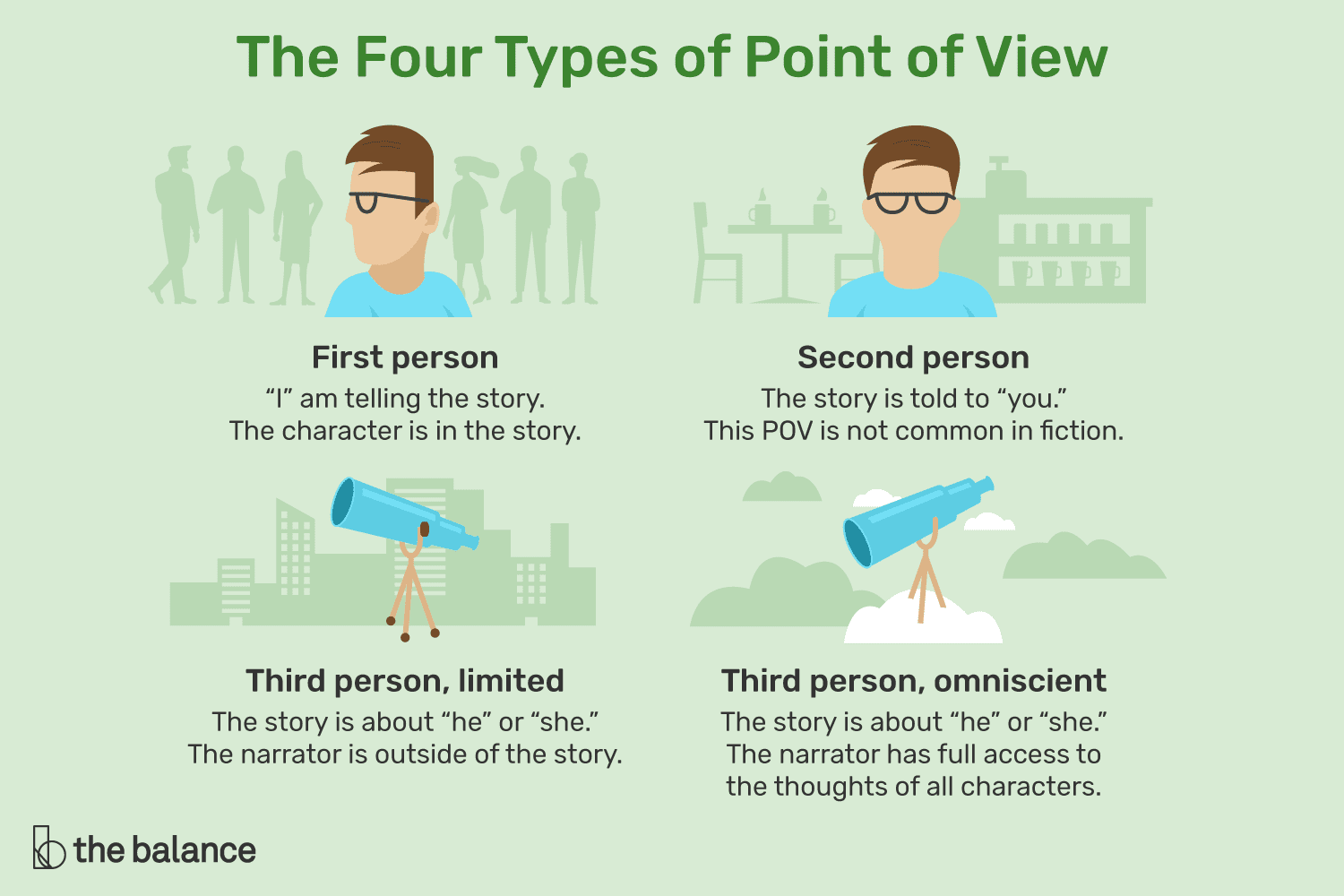

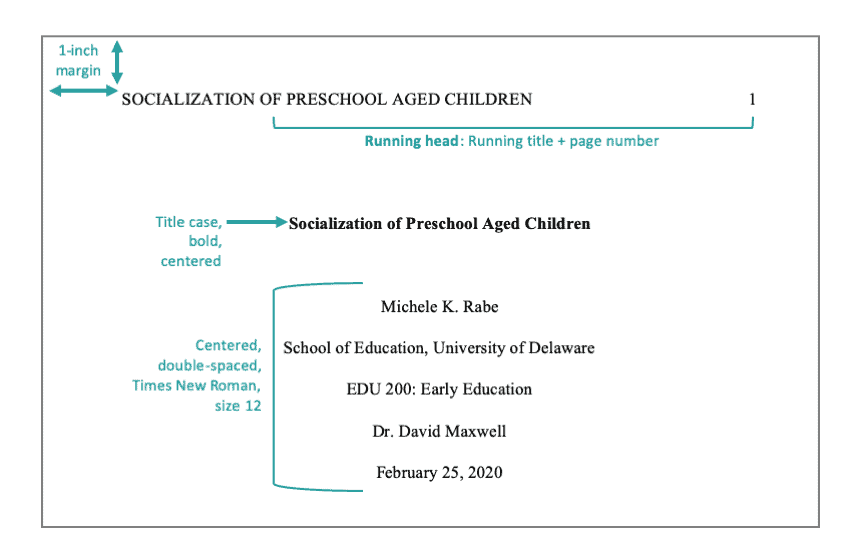
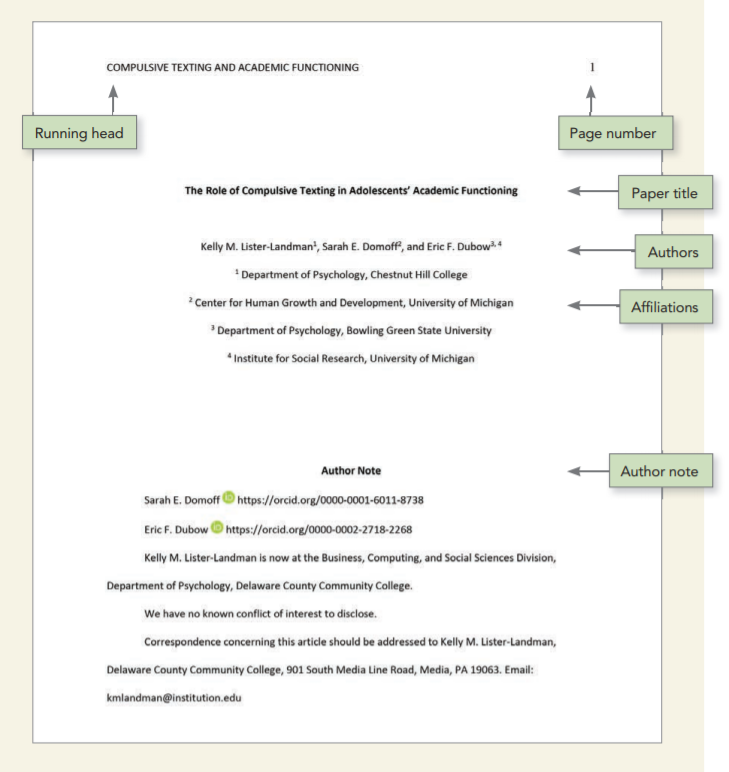
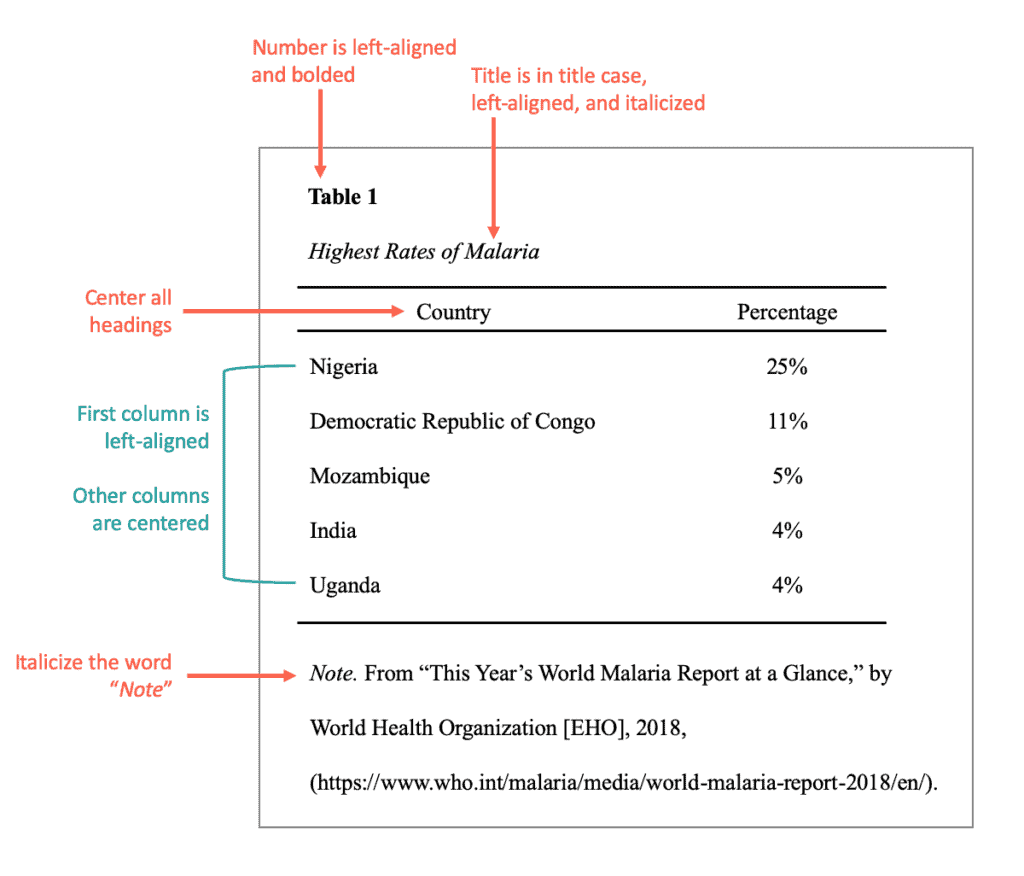



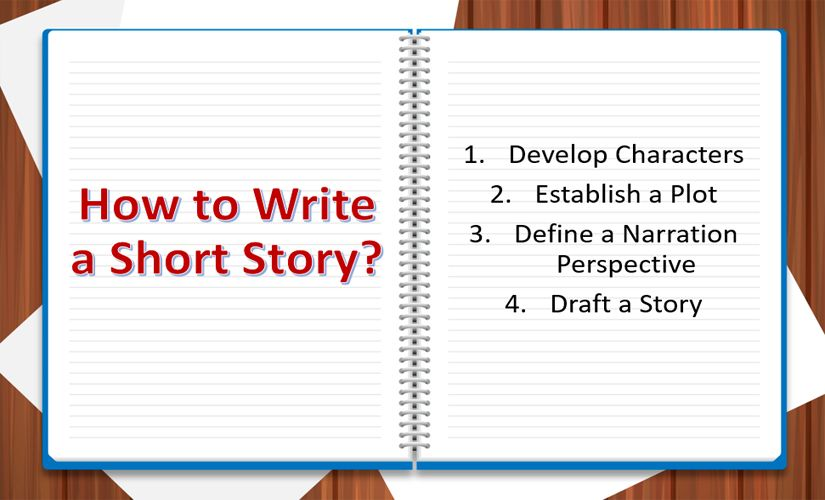






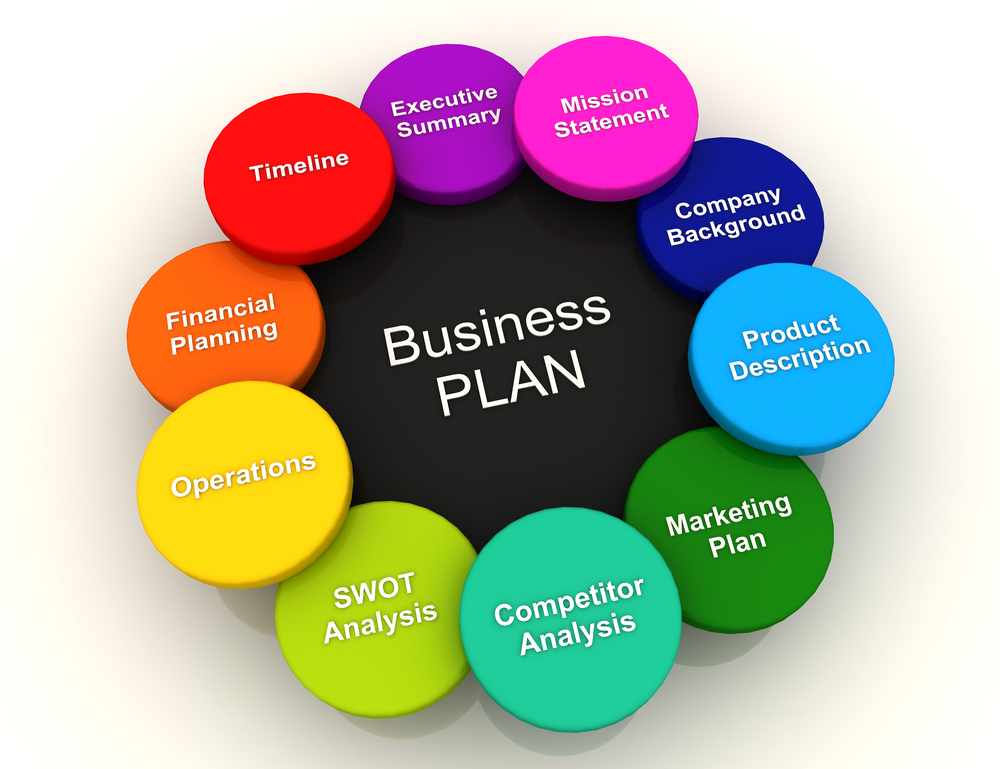


About the PODIUM PRO BLOG
Welcome to the safe space, where you get the information you wish for, in a meaningful and practical manner.