-
How to write your linkendin profile
 Table of Contents
Linkedin has become a must-have account for your social media presence for professionals. It is a huge platform where professionals from all backgrounds and streams. Linkedin which started in the May of the year 2003 acts as a major boost to your career if you have a solid profile that displays a plethora of certificates in different expertise. The Linked page has various features which can display your skills by writing an article or you can get endorsements from fellow Linkedin members about your skills. Employees frequently search for Linkedin profiles to know more about the candidate which is connected to professional life but not written in a resume.
Purpose of your Linkedin Profile
Deciding the purpose of your Linkedin profile comes first. The purpose of making a Linkedin profile is to increase your presence on this professional dais so that recruiters can identify you. Increasing connections so that you will get to know many industry experts’ opinions about various topics. Increasing followers so that you can give opinions or provide some expert input about a topic. Linkedin works on the expression of words creatively and expertly. If you want to join Linkedin for any of the above purposes then work towards it. Like, If you want to increase connections, then work towards it steadily.
Tips to write Linkedin Profile
Imagine what you want
To remain sorted through the process, imagine what you want your profile to display. Once you know how you want your profile to appear, you will know what information should appear where. You can also take a look at other Linkedin profiles to get an idea of what is displayed and in what way. Going to profiles, same as your profession would be better, and then checking out profiles of related and other industries can be done. Many people write about their professional success or some write about the emotional encounters while pursuing their professional dreams.
Go through Linkedin sections
Linkedin has sections that are to be filled, which makes the job quite easy. Some sections only have to be filled with factual data like degree type and year of completion. For other sections which require an elaborate write-up, some research needs to be done. Fill those sections first which require factual information. While writing the headline choose one-two lines that deliver powerful content. After that go to a section like “about me” which will need thoughtful consideration about things to write. You can decide the tone you want to use like casual/ formal or even funny as per your profession and writing style. A combination of two or more styles in a balanced way is also a good option.
Write the latest first
When writing about your career credentials both educational qualifications and the companies you worked for, the latest should display first. This becomes more important when you have worked in different profiles or have changed your career. Linked page should display it in reverse chronological order.
Write correct information
This point is obvious but it is very important to write the correct information on a Linkedin account, especially facts like years of start and completion. Any kind of wrong information may become a problem or will atleast not give the desired results. If certain years of experience is required for a job and you are fit as a candidate but the years of experience mentioned is different then it will pose a problem. Although this mistake can be rectified easily, just double-checking the written facts will be good.
Use a profile photo
A profile photo helps other Linked members including future employees to recognize you. When a name has a face attached to it, it becomes easier to remember. While using a profile photo for a Linkedin page, consider your profession. Although there is no restriction on the kind of photo that can be used but a relevant photo that displays your face in a formal or semi-formal location would be good. A picture with your back to the camera is better avoided.
“About ” Section
“About” is not a factual section and requires some creative inputs on your behalf. It requires an expression of your talents and credentials in a way that covers all without becoming too mundane. Start the section with a punchline or something powerful enough to attract attention. You can provide details about the factual information provided. For e.g. if you recently earned a certificate then write about why you wanted to do the course or the inspiration behind it. You can also write about your soft-skills which were helpful in getting the certificate like working efficiently to manage studies and job. This section has a word limit of 2600 so there is a lot that you can write. But rather than just filling up the word count it is important to remain relevant through writing on a Linkedin account.
Updates
Once the profile is made, keep on updating it to fill in any new information or even change something if you want to. There are various tools on Linkedin as well which are helpful in acquiring new skills. There is a creative mode as well if you want to use it. Many things are under Premium on your Linkedin profile. Checking regularly will also give you industry updates or a chance to increase your connections.
Making the most of your Linkedin Profile
Joining Linkedin is a huge opportunity for learning various new things related to your job, opinions of the employers, latest updations regarding social structure which directly or indirectly affect the job. For making the most of your Linkedin Page, follow a few points.
Use your profile section
Profile section is the About section. This section is an opportunity in itself as it frees you from the clutches of date and numbers bound information. While factual information is very important, to get to know you as a professional or as a person out of working hours in a deeper sense, the “about” section works best. Put in your career profile in detail either using bullet points or paragraphs or both. Make it interesting by adding your source of inspiration or your observations regarding some skill. People like to read things written with honesty and good intent as it just catches their attention.
Do free courses on Linkedin
Various courses are available on your Linkedin account, and many of them open up when you give tests related to that skill. If you do not get good scores in the skill test then the course will be available for some time. The courses give you an opportunity to upgrade your skill in a short duration which gives a sufficient career boost. Moreover, the course are not limited to a certain industry and has a lot of variety to it.
Increase your connections
Increasing your connections on a Linkedin account has a lot of benefits. You will have a greater audience for whatever you post. There will be various inputs in your feeds with a large number of connections including those related to job hunting. It depends on your privacy level to increase your connections. But for connections to be made a request is sent and when approved by the other person, a connection is made.
Increasing followers
Increasing flower count for a Linkedin page is different from increasing connections as connections mean a two-way street where messages can be passed on to each other. Followers can only follow the post, they can comment on it as those posts will be in the public domain of Linkedin but followers cannot send messages to you. Followers can be increased by regularly posting relevant content. This again requires dedication and consistency.
“Open to Work”
This is another feature of Linkedin that when put on notifies employers that you are searching for a job. This increases your chances of getting noticed by employers or consulting firms. If your primary purpose for joining Linkedin was job hunting then this feature is meant for you to use. It puts a tag on your profile picture that mentions “open to work.” Linkedin also provides filters for these options such as only your connections can see it or only potential employers can see it. One more option includes open-to work displayed for everyone.
Conclusion
Many people join Linkedin as a job site but it is much more. It can give you glimpses of what lies in the future of your current job. It can give you the resources to become better at your job or even switch your career. Establishing connections with various industry experts or employers presents better job opportunities. Many connections can endorse you which establishes you as an expert in a certain field. All this goes a long way to improve your career profile via Linkedin. In short, Linkedin is a great platform for increasing your professional credibility.
Ready to take your LinkedIn profile to the next level? Contact PodiumPro today for expert guidance and support in enhancing your professional presence!
-
Indian Art Forms: And All You Need To Know About It
 Jump to Section
Indian art forms are diverse and rich in cultural heritage, reflecting the country’s long history, diverse traditions, and spiritual beliefs. Indian art forms are not only a source of aesthetic pleasure but also a means of preserving and transmitting cultural and spiritual values. In this article, we will take go through the various Indian art forms that will surely be a good inspiration for your child’s artistic vision.
History of Indian art forms
Indian art has been influenced by various cultures, religions, and historical periods, resulting in a unique and vibrant artistic heritage. Here’s an overview of the major phases and developments in the history of Indian art forms:
Stone age –
The earliest traces of human settlement in India can be traced through Bhimbetka rock shelter cave paintings located in Madhya Pradesh, central India. These rock shelters were inhabited by humans 100,000 years ago. People living here created the oldest Indian art discovered. Known as Bhimbetka petroglyphs, this prehistoric cave art involved people drawing or carving rocks that consisted of many couples or cup-shaped depressions hammered into the rock surface. Furthermore, many paintings representing animals and humans depicting dancing and hunting from the stone age era. The oldest painting dates to 10,000 BCE.
Indus Valley Civilisation (circa 2500-1500 BCE)
The Indus valley civilization, which now is a part of modern-day Pakistan, one of the world’s earliest urban civilizations, produced a variety of artifacts, including pottery, seals, and sculptures. These artifacts often featured intricate designs and depictions of animals and human figures. They also made small bronze as well as terracotta figurines. These figures depicted animals as well as humans in various dancing positions.
Vedic Period (circa 1500-600 BCE)
The Vedic period saw the emergence of early Hindu religious texts and rituals, influencing artistic representations. Temples and religious symbols began to appear in art, with a focus on rituals and worship. Buddhism began in the 6th century BCE, during which, religious artists then began creating Indian traditional art forms like sculptures made of stone and bronze. These art forms decorated the walls of caves. By the 5th century CE, this was common among Buddhists and Hindus.

Mauryan and Shunga Period (circa 322-185 BCE)
The Mauryan Empire, followed by the Shunga Dynasty, marked the expansion of Buddhist art and architecture. The Great Stupa at Sanchi is a notable example of early Buddhist architecture.
Gupta Empire (circa 4th to 6th centuries CE)
The Gupta period is often considered the golden age of Indian art. Sculpture and temple architecture flourished, with iconic works like the Ajanta and Ellora cave paintings and the temple at Deogarh.
Islamic art (circa 7th to 17th centuries CE)
In the 12th century India, many states converted to Islam. This resulted in the establishment of the Mughal Empire, and with it the remarkable Mughal art and architecture. This form of art was a blend of Turkish, Persian, and Indian techniques. The buildings constructed mostly consisted of white marble or red sandstone. Furthermore, they contained majestic gates, mausoleums, mosques and sarais. Persian miniature painting and Mughal miniature painting became prominent, characterized by intricate details and vibrant colors.

South Indian Dravidian Architecture (circa 7th to 17th centuries CE)
In the southern regions of India, the Chola, Chera, and Pandya dynasties built magnificent temples with distinctive Dravidian architecture. These temples are known for their ornate sculptures, towering gopurams (entrance towers), and intricate carvings.
These temples contained statues of the deities as well as beautiful carvings on the pillars and walls. The deities like Shiva, Vishnu, and Shakti were depicted with many limbs and heads. Furthermore, the carvings on the walls contained repeated holy symbols. One example of this is om, which is a symbol of the divine knowledge of God. Additionally, the lotus flower, a symbol of beauty, fertility, purity and transcendence was also present. The temple wall also had the swastika, a symbol of auspiciousness.

Colonial era
This era, brought in the European influence with the British rule. Furthermore, the British set up many art schools introducing the different art forms to Indian artist as the demand for Indian art was increasing in UK as well as across Europe. Therefore, Indian art forms began to incorporate several international art styles in their paintings and sculptures to please European buyers.
Modern and Contemporary Period (20th century-present)
Indian art has continued to evolve and diversify in the modern and contemporary era.Prominent artists like Raja Ravi Varma, Jamini Roy, and Amrita Sher-Gil made significant contributions to Indian art. Contemporary Indian artists explore a wide range of mediums and themes, reflecting the changing cultural and social landscape.
Contemporary Indian art is globally influenced as well as culturally diverse. However, they still contain elements of the long and rich Indian art history.
Types of Indian art forms
India is a diverse country with a rich cultural heritage, and it is home to a wide variety of traditional art forms. These art forms vary in style, technique, and purpose, often reflecting the unique cultural, regional, and historical backgrounds of different Indian communities.
Sculptures
The first known sculpture was made by the people in Mohenjo-Daro and Harappa in the Indus valley civilization. The sculptures excavated include figurines made of stone and bronze. After this, the next known sculpture was from the Buddhist era in 1500 BCE. Thus, the great tradition of Indian sculpture began.
Some examples of famous sculptures in India
- From 270 to 232 BCE, under the reign of Ashoka, the Pillars of Ashoka contained sculptures of animals mainly lions.
- Early Buddhist pilgrimages in Sanchi made figurative sculptures out of wood.
- In the 1st century BCE, artists created sculptures describing the teachings of Buddha in Gandhara, which is now part of modern-day Pakistan and Afghanistan. These sculptures had a heavy Persian and Greek influence.
- The celebrated lost-wax bronzes of the Chola dynasty from south India is another example. These sculptures include one of Shiva as Natraja as well as a massive granite carving of Mahabalipuram.
- The rock-cut Buddhist Ajanta caves also contain several paintings and sculptures created in the 2nd century. These art forms are considered to be one of India’s best-surviving examples of architecture as well as Indian art and culture.
Paintings
Indian art paintings can be best described as a window into prehistoric India. People began to draw animal and human forms on cave walls as early as 10000 BCE, during the Mesolithic period. As time progressed, people began to use special tools to carve out images onto the walls. The Bhimbetka rock shelters, as well as the Ajanta caves, are good examples of this. These caves have overcome harsh climates as well as the passage of time and still stand today. People all over India travel to visit the caves unique architecture.
From the sixth century BCE, paintings began to appear at Buddhist, Hindu and Muslim places of worship as well. Murals were made with natural pigments and depicted the various forms of the diety as well as humans and animals.
The art form eventually transferred mediums to more modern ones like canvas, cloth and paper.
Some examples of Indian art paintings
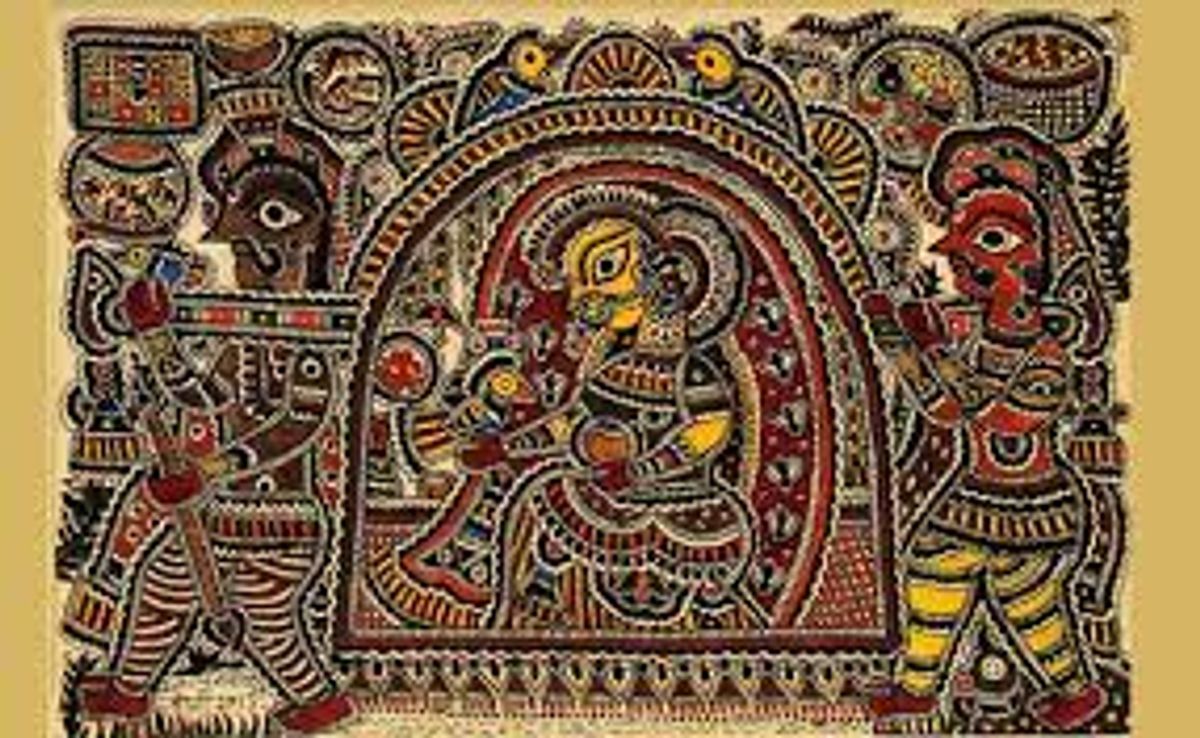
Madhubani Paintings
Madhubani Paintings are one of the most popular folk art styles from India. The style originated in the Mithila region of Bihar as a form of wall art and became widely known to the Western world when British art historian W.G. Archer discovered it in 1934. The Madhubani art style shows the tradition, culture as well as beliefs of the people. They typically contained mythological scenes. Furthermore, artists use vibrant imagery with simplistic patterns, often bearing floral, animal, or bird motifs. The art form is practised in various different styles like Kitchen, Bharni and Godna.

Warli Paintings
Warli paintings, the tribal art by tribal people in Maharashtra is based on elements of nature. The beautiful art use basic geometrical shapes including triangles, a circle as well as a square to portray human activities. This art uses primary colours for its paintings. These paintings are traditionally white figures on a dark red background. Due to its simplistic and monochromatic look, the art form shows several similarities to pre-historic cave paintings. Warli art is not only visually appealing but also holds cultural and historical significance for the Warli tribe. It reflects their way of life, their connection to nature, and their deep-rooted traditions. Today, it continues to thrive as a vibrant art form, with both traditional and contemporary artists creating stunning Warli-inspired works.

Tanjore Paintings
Tanjore Paintings are from the magnificent temples of Tamil Nadu in South India. The paintings depict the region’s rich artistic tradition. They showcase Hindu deities and the myths surrounding them. Tanjore paintings are famous for the use of gold foil, vibrant colours, glass and stone on wooden boards made of teak wood or jackfruit. Painters depict the deities to have a round face and oval eyes. The main body is arched shaped. Tanjore paintings are auspicious and preserved as antiques valued for they beautiful craft and religious meaning.
Gond Paintings
Gond Paintings, made by the people of Gond tribes of Madhya Pradesh, expressed their religious sentiments as well as devotions through the paintings. The themes in Gond paintings range from god, nature, humans, to various daily life objects. The paintings contain lines, dots, as well as dashes drawn from naturally derived objects like charcoal, colored soil, leaves, cow dung, and tree sap. Painters create vivid images by arranging dots in an upwards, downwards, and sideways manner over previously painted ones. One will find plenty of Gond paintings in Madhya Pradesh during festivals like Diwali or Holi. These paintings are of high quality and can last for at least 20 years without any tampering.

How to create Indian art paintings?
Indian traditional and folk paintings can be an excellent source of inspiration for a child. They contain bright colors as well as simple representations of humans and animals that can be easily recreated. Given below are some tutorials one can follow.
- Madhubani Painting of a woman
- Easy folk art
- The basics of Warli art
3. Miniature art
Miniature art refers to small paintings, sculptures and cravings created on wood, palm leaves, paper and marble. Painters use natural minerals like gold, silver and stone dust, to create the beautiful and bright colors used in the paintings.
The earliest Miniature paintings can be traced back to the 7th century. The Palas of Bengal created scriptures on 3-inch-wide palm leaves with images of Buddhist deities. This art contains subdued colors and curved lines, reminiscent of the murals in Ajanta.
The 16th century saw Muslim miniature art appear under the Mughal reign. These paintings were influenced by the existing Indian miniature art style as well as the Persian one. The paintings showed various plants, animals, humans as well as other aspects of the world.
Miniatures were used either for illustrated books or for single works for muraqqas or albums. The style slowly spread and influenced both Hindu and Muslim princely courts, thus, developing many regional styles called “sub-Mughal”. These include Rajput, Pahari, and Company painting. This Indian art form continued to develop till the nineteenth century.
From the 16th to 19th century, another art style, known as the Deccani style emerged in Ahmednagar, Golkonda and Bijapur. This style was developed independently of Muslim influences. Instead, they adopted European, Turkis and Iranian elements.
Some examples of miniature painting
- Kalpasutra manuscripts contained intricate paintings depicting the biographies of Jain Tirthankaras.

- The Atmananda Jain Gnana Mandir, decorated with several miniature illustrations depicting deities as well as animals like elephants and cows is also a good example.
- Padshahnama, a group of written work documents the history during the rule of Emperor Shah Jahan. They contain beautiful miniature paintings portraying the major events that occurred during that time.
- Another example is the Kishangarh painting, a Rajasthani style of art that emerged in the 18th century in the state of Kishangarh. This style of miniature painting showcases humans with elongated faces. Furthermore, people can find several religious elements and scenes in the paintings.

How to create miniature paintings?
Indian miniature paintings can be difficult to replicate. These contain intricate images of nature as well as the humans living in it and can be best copied only by expert artists. One can follow the below tutorials to create their own miniature paintings.
4. Jewelry
India has long been the home of exquisitely designed gold jewelry. The first people to start jewelry-making were those of the Indus Valley Civilization. Since then, jewelry has come a long way and is used to celebrate occasions like marriage, childbirth or given during festivals. North Indian jewelry consists of crystals, gemstones and diamonds while South Indian jewelers preferred yellow gold.
The style of jewelry changed as different cultures and religions arose to power in India. Thus, the ancient simplistic designs were replaced to incorporate floral and geometrical shapes. Crescent and stem shapes along with pearls are a regular feature of Mughal jewelry. Additionally, Kundan, the method of setting stones in pure gold was utilized to create thick, ridged collar type necklaces. Another technique developed during the period was the inlaying of stones with gold.
In the colonial period, Indian jewelry included elements of European and Russian art. In fact, the 19th and 20th centuries saw a large influx of different styles of art. Jewelry houses like Cartier, Tiffany, Chopard, Graff, Lacloche Feres, Van Cleef & Arpels, Mauboussin as well as Mellerio arose in popularity. This jewelry contained precious stones like emeralds, rubies, diamonds and sapphires.
Modern-day Indian jewelry also contains elements of the history and culture of ancient India. Temple jewelry is still popular today and can be easily made with modern machines and tools.
Some examples of Indian jewelry art
- The Taj Mahal Emerald is a hexagonal shaped emerald stone, intricately engraved with flowers that are similar to the carvings on the walls of the Taj Mahal.

- The stunning Nizam of Hyderabad diamond necklace, gifted to Queen Elizabeth II when she married Prince Philip is an exquisite piece from the treasury of Nizam Mir Osman Ali Khan.
- Nizams’ jewelry collection also contained fabulous head decorations, known as Sarpech (derived from the word sar meaning head and pech meaning screw). They were worn by the Nizams’ as a turban ornament. These pieces contained several expensive gemstones like emeralds and diamonds.
- Another piece in Nizam’s collection, a seven-strand pearl necklace, also known as Satlada, contains 465 Basra pearls.
- The temples of South India showcased intricate temple jewelry made of yellow gold. These pieces contained carvings of deities and gemstones like rubies.
- Cartier’s famous “tutti frutti” style bracelet is based on the floral motifs of South Indian jewelry. Furthermore, The bracelet is embedded with sapphires, rubies and emeralds.

How to create Indian style jewelry?
DIYing Indian jewelry can be a fun art project for kids to use in plays or fancy dress competitions. Therefore, you can follow the tutorials below to create your own jewelry.
5. Architecture
Similar to Indian art paintings, architecture were of different forms and styles. Furthermore, architectural styles changed over time. Cave architecture was the earliest form of art. These were created by Hindus, Jains, as well as Buddhists who made temples from rock.
Soon after, in the 5th century BCE, people began constructing large and free-standing temples. These included elements such as a shelter for travelers and an altar for worship.
In the 12th century, Islamic architecture became widespread after Delhi was made a Muslim capital. Muslim leaders hired local craftsmen to build structures different from the traditional ones created in India. These included mosques with large open courtyards and sarais.
Following this, Indo-Muslim architectural styles emerged that influenced modern-day India, Bangladesh and Pakistani architectural styles.
Modern architecture appeared in India in 1947. The swiss-french architect Le Corbusier was appointed by the Punjab government to head the urban planning of Chandigarh city. This plan renewed interest in Indian architecture.
Some examples of Indian architecture
- One of the most famous rock-cut temples, Kailasa Temple, in the Ellora Caves, is known for its size and sculptural treatment.
- The Iron Pillar, built in the 4th century, is a marvel of science. It features a Sanskrit inscription in the Brahmi script. The text states that it was created to honour Lord Vishnu.

- The Konark Sun Temple, built in the 13th century, is dedicated to Lord Surya. It is carved from stone to look like a 100-foot-high chariot with large wheels and horses.
- The Taj Mahal is one of the most popular examples of Indian architecture. Constructed by Shah Jahan, this marvel is made purely of white marble. Shah Jahan employed Hindu as well as Indo-Islamic techniques to create the structure and its beautiful carvings.

Final thoughts
Indian art forms represent the history and culture of Indian people over the years. Furthermore, they make for some remarkably graceful and aesthetic expressions. Made with earthly simplicity without any expensive implements. Practiced by several individuals to this day, these Indian art forms keep the rich culture and heritage of our country alive.
As enthusiasts of Indian traditional art forms, Team Podium invites you to join us on this exciting journey. Read our update on the Promising Indian Art Forms that make Excellent Storyboards to know more about the world of grace as well as divinity.
FAQs
1. What are the elements of Indian art?
Indian art forms contain six elements of painting including color, line form, texture, tone, shape as well as space. Without these elements, no Indian painting is considered complete or finished.
2. What are the principles of Indian art?
The principles of Indian art are as follows: diversity, scale, proportion, unity and body as well as rhythm, balance, viewpoint, volume and depth.
3. What is the purpose of Indian art?
Ancient Indian art forms beautifully expressed the emotions of people from diverse social and cultural groups. They depicted the lives of people who were in tune with the rhythms of nature. Additionally, they were also made to honour great leaders and kings. Art was also used to spread religious teachings.
4. What did ancient artists use to paint?
Prehistoric painters used crushed rocks and minerals as well as natural dyes and pigments to paint. These include earth pigments from hematite, limonite, yellow ochre, red ochre and umber. Additionally, burnt bones, charcoal and ground calcite were also used. These pigments were ground, then mixed with gum or animal glue to make them workable and fixed onto the surface being decorated.
5. How to make your own natural paint?
You can make your own paints by crushing soft rocks, flowers, leaves as well as vegetables. Follow the below tutorials to learn how to do this.
6. What are the styles of Indian temple architecture?
The Indian temple architecture is categorized into three types. Firstly, the Nagara or the northern style. Secondly, the Dravida or the southern style. Lastly, the Vesara or mixed style. All these styles contain their unique regional influences and lineages.
7. What substances were used to build sculptures in ancient India?
Marble, limestone granite and porphyry were used to create sculptures. Artists also used precious metals like silver and gold in their paintings.
8. What methods were used to create sculptures in India?
People made sculptures using one of two methods: carving, meaning the removal of material as well as modelling, meaning sculpting from a soft malleable material like clay.
9. How was paper made to paint on in ancient times?
Chinese prisoners of war bought paper to India in AD 751. The paper was made from linen, flax or hemp rags using methods from China. Soon, people began to supplement linen with flax and other vegetable fibres.
10. How to make ancient paper?
-
12 Important Benefits Of Reading Books

Reading is an essential part of everyone’s growing. It is most effective way to acquire new knowledge. It helps expand your knowledge and insight into various subjects, culture and perspective. Before we talk about the importance of reading a book, let us first have a glimpse of history of books and reading –
Jump to SectionHistory of Books
Books have been part of human history since long. It is a part of our identity and our existence. Long before books came into existence storytelling was one of the most important part of entertainment. It was also a way to impart moral or just give life’s teachings. People wanted to document it and they did through pictures and symbols, painted on rocks, cave wall, or on clay tables. The first documentation was done by Egyptians who by weaving the steams of papyrus plants and pounding them flat created ‘Papyrus’. For hundreds of years ‘Papyrus’ was adopted as a way of documentation. There was also calf skin and deer skin parchment used for documentation and depicting stories using colorful pictures. The Greeks invented teh wax tablets for messages that were reusable. But nothing permanent like the paper books.
Approximately 2000 years ago, in China a man named Ts’ai Lun invented paper by mixing mulberry bark, hemp and rags with water to roll it out in thin mat dried by sun. After the initial invention it took nearly 500 years for paper making to enter Europe. The first paper mill was set up in Spain and with the industrial revolution in full swing many more mills popped up through out Europe. With that came the introduction of books. But these books were produced like rolls which are known as a codex. Later, by the medieval period when these paper mill factories came into play, the books were no more produced like rolls but were produced like a collection of sheets. In this way, books of today’s world emerged. To know more about it, click here. Better insight can be taken through this video given below.
The evolution of the book History of Reading
Now let us know a small brief history of how reading came into play. It is believed that in the 4th Millennium BCE, people started to draw visual representations to communicate. Readers started using these representation or symbol to construct a plausible interpretation of the writer’s message. Later it developed into comprehending continuous reading of symbols and texts. From Mesopotamia to Irania Plateau to Indus valley, writing was recognized as invaluable tool for documentation. Unfortunately in early days there were very few Scribes (Tablet readers.). Earlier when reading was discovered, it was read loudly as there were many illiterates. With gradual developments, people started to include punctuation marks while reading. As times passed by, people shifted from reading loudly in their villages and Olympics to reading silently in every place of the world. Reading challenges, bewitches and empowers a person with knowledge and opens up their mind to unimaginable opportunities.
To have a better insight into the history of reading, click on this video.
A brief history of reading Now that we know a brief history of reading and books, let us jump directly to the importance of books. The further article will talk about all the benefits that you obtain by reading books regularly. Let us start. Continue reading till the end to know a bonus point!
Important Benefits of Reading Books
Reading Books Improves Brain Strength
Reading stimulates cognitive processes such as comprehension, analysis, and critical thinking, which helps exercise the brain and keeps it active and engaged.

As we know, our brain is a collection of many circuits that receives signals through neurons. Every neuron connected by tip form a circuit among itself and passes signals to our brain. Research conducted by 7 people from California proved that reading books is directly related to the strength of neurons and their networks. It said that if a person is more into reading, stronger networks and circuits are formed in their brain. It also stated that with continuous reading, the parietal lobe of a person functions better as its connectivity increases at a great percentage. Research also proves that high level of cognitive activity like reading significantly reduces the risk of developing Dementia. So encourage your kids to read as well as elders in your household. To read more about it, click here.
Read Books For Improved Analytical Power
Reading books helps to connect the analytical side of the brain. Any genre book helps activate the analytical side of your brain. Also, the brain analyses the content you are reading and also looks for future predictions.

Improves analytical power For example – if person A is reading a suspense thriller novel. His mind does process what he is reading but analyses the future prediction. What would happen next? What evidence he might collect? Drawing conclusions from the previous events read. Such things happen while reading. It improves a person’s analytical power and it helps further in life.
Reading Books help in Enhanced Focus
In today’s day and age with ample of distraction around us especially technological distraction, it is becoming increasing difficult to focus on one thing. Every 10 minutes we need to check our WhatsApp or Insta page, thus loosing the thread of our work. But books can help regain your concentration back to its place. Since reading requires more than usual concentration, it helps in restoring your focus on things. One study showed that there is a strong correlation between reading skills and that individual’s ability to stick their attention.

Helps enhance focus Another point worth mentioning is – reading with focus makes your brain behave differently. A study conducted by researchers at Stanford University where they undertook MRI scans of the brains of people who were reading books. All subjects were Ph.D. students. They were asked to read the same book in two different manners. First was the pleasure reading while the latter was the close reading. Close reading means reading for an exam.
They took the MRI scans during the two types of reading. The neuroscientists found out that the brain responds and functions differently for varied types of reading. While the participants were pleasure reading, the blood flow in the brain increased in different areas of the brain. In the close reading, the blood flow indicated that it was more than just learning and playing. To learn more, see here.
Knowledge acquisition
The more that you read, the more things you will know. The more that you learn, the more places you will go.

Unlimited knowledge Reading books Enriches your Vocabulary
Regular reading greatly improves your language skills, including vocabulary, grammar, and writing. As with every book you read you will come across atleast 5 new words thus enriching your vocabulary. It will also enhance your ability to communicate effectively, both in written and spoken form.

Enriches vocabulary To explain the effect of reading on vocabulary growth, researchers conducted a study in which Matthew’s effect was also involved. Before knowing the effect, let us first understand what Matthew’s effect is. In the educational sense, it is based on the principle of “rich gets richer and poor gets poorer.” It simply means that the person who reads more gains knowledge in abundance whereas the person who reads less gets no knowledge. Researchers conducted a word reading test on students from different grades. The multilevel modeling study proved the Matthew effect right. The students with above-average reading habits had a better vocabulary than the students having below-average reading habits. To know more about it, click here.
Empathy and Understanding
Reading literature and stories allows you to step into the shoes of different characters and understand their experiences, fostering empathy and a broader perspective on the world. When you read books, articles, or stories, you are exposed to the thoughts, experiences, and perspectives of characters or authors from diverse backgrounds. This exposure helps you gain insight into the lives and viewpoints of people you may not encounter in your everyday life. By empathizing with these characters or authors, you can develop a deeper understanding of their emotions, struggles, and motivations.

Helps to improve memory Oatley and his other fellow mates surveyed to study the strong relationship between reading fiction and increasing power to empathize. Three types of tests were undertaken in this study. In the first test, the participants were suppose to choose the name of fiction author. The more authors they selected, the more the need to read these books. The second test involved different dimensions of empathizing, known as the Interpersonal Relative Index. The third test was to understand the thoughts and emotions of other people by just looking into their eyes. The results of all three tests boiled down to – people who read more, were able to empathize more than individuals with less or no reading habits. To know more about it, click here.
It’s important to note that not all reading materials have the same impact on empathy and understanding. Some works may be more effective in this regard than others. However, in general, reading widely and engaging with a variety of literary genres and perspectives can contribute to a richer and more empathetic worldview.
Reading Books leads to Better Communication Skills
This is another not so the well-known benefit of reading books. Most people think that book readers are mostly introverts.
Regular reading can improve your vocabulary and communication skills. As your ability to express thoughts and emotions grows, you become better at conveying your own feelings and understanding the feelings of others. Better communications definitely gives the required booster for your career growth. Better communication also increases the mutual understanding between people and meeting of minds.
The Morning Consult for Cengage conducted a research study in which they surveyed more than 650 employers and 1500 college students some still studying some graduated. The survey analysis revealed that soft skills which includes communication are the most demanded skills among all the skills by employers. To know more about it, check here.

Endless benefits of reading books 
Delays Dementia and help fight Alzheimer
Reading helps develop cognitive skills that keeps your brains active. A research study revealed that people who read books or solve arithmetic problems are less likely to develop cognitive problems than people who do not engage in any mental stimulating activities.
People who engage in reading or do engaging brain activities are 2.5 times more likely to have delayed cognitive problems as compared to people who do not engage their brains into challenging activities. Giving sufficient exercise to the brain prevents it from going inactive which in turn prevents Alzheimer’s disease. To learn more , check here.
Reading – a Stressbuster
Reserachers have recognized reading books as a stress buster. There are scientific research that proves that reading brings down the stress levels of an individual. Engrossing yourself completely in a good book will help you rise above your stress.

Act as a stressbuster A study conducted in 2009 compared the reduction of stress levels when the subject were involved in yoga, humor, or reading a book, especially for students. The survey gave out the results that reading a book for 30 minutes is equally effective as doing yoga or listening to humor. It lowered blood pressure, heart rate, and psychologically distressing feelings. To look more into it, click here.
Another research conducted by Sussex University revealed that a six-minute reading session can reduce stress levels by as much as sixty-eight percent. It was also found that it relieves muscle tension. Hence, pick up a book of your choice and read away.
Read to fight Insomnia
Reading a book at night sends signals to your brain that it is time to wrap up the day and rest. It helps you to get a good nigh sleep. See here to know more about it. Read an actual printed book than a softcopy or screen-based book. Screen light makes your body stay awake for a longer time and drains your energy more than other activities. It may also cause other problems like eyesight issues and headaches. Thus, a real book is recommended before sleeping to get that much needed beauty sleep.

Helps in fighting insomnia Reading Books Reduces your Chances of Depression
Thomas Warton said, ” An hour spent reading is one stolen from paradise.” Depression is not an ordinary problem. It is a serious problem that needs addressing. Even though it is a common mental disorder yet it is dangerous enough to take away one’s life. According to studies, it is estimated that globally 3.8% percent suffer from depression – 5.0% of adults and 5.7% of adults above 60 years of age are suffering from depression. Even when there are effective treatments for depression, an estimated 68 -75% of people residing in low and middle-income countries take no treatment as unfortunately it is still a taboo subject in these countries.
Reading books can alleviate depression to a certain extent. Depressed people can find their listeners and motivators in books. Fictitious books can give a much needed escape bringing with it a sense of relief. Whereas reading self-help books or motivational books helps people to relieve their stress and motivate them to rise above the depression.
Books allow you to continue learning and growing throughout your life, providing access to a wealth of information and perspectives. Remember that the benefits of reading can vary depending on the content you choose and how you engage with it. Whether you prefer fiction or non-fiction, novels or academic texts, regular reading can have a positive impact on your life in many ways.
FAQS
Question 1: How to start reading?
The first step to start reading is to make a reading routine. If you do not take much interest in reading books, then start by reading 15 minutes per day which is the recommended must-read time. Once you manage well with 15 minutes and build interest in it, you can increase the time by your choice. T
Question 2: What to read as a beginner?
There is no such restriction to read a particular type of genre as a beginner. Whichever genre builds your interest better, pick it up! Usually to develop interest in reading choose suspense or mystery novels as that will keep you glued to the story which will motivate you to continue reading.
Question 3: Which book is more recommended, Hardcopy or Softcopy?
We recommend reading the hard copy. This is because apart from building up your interest, it also helps you comprehend better. The flipping of pages helps your brain create a deeper understanding of the context of the book, whereas softcopy can be easy to carry, but staring at the screen for so long might cause strain and irritation to the eyes and can lead to headache.
Question 4: What are some books to read as a beginner?
Here is a list of books you can start reading with:
- The Hound of Baskerville by Sir Arthur Canon Doyle
- The Silent Patient by Alex Michaelides
- Silence in the Library by Katharine Schellman
- The Girl Who Knew Too Much by Vikrant Khanna
- The Alchemist by Paulo Coelho
Bonus Point
Since you made it to the end of the blog, we have an interesting fact about reading books for you! It is a bonus point for you readers! Reading is Contagious! A report from Scholastic found out that reading out loud to your children in their elementary level of schooling might boost their interest in reading and inspire them to read more! Here is a list of some of the best children books written-
-
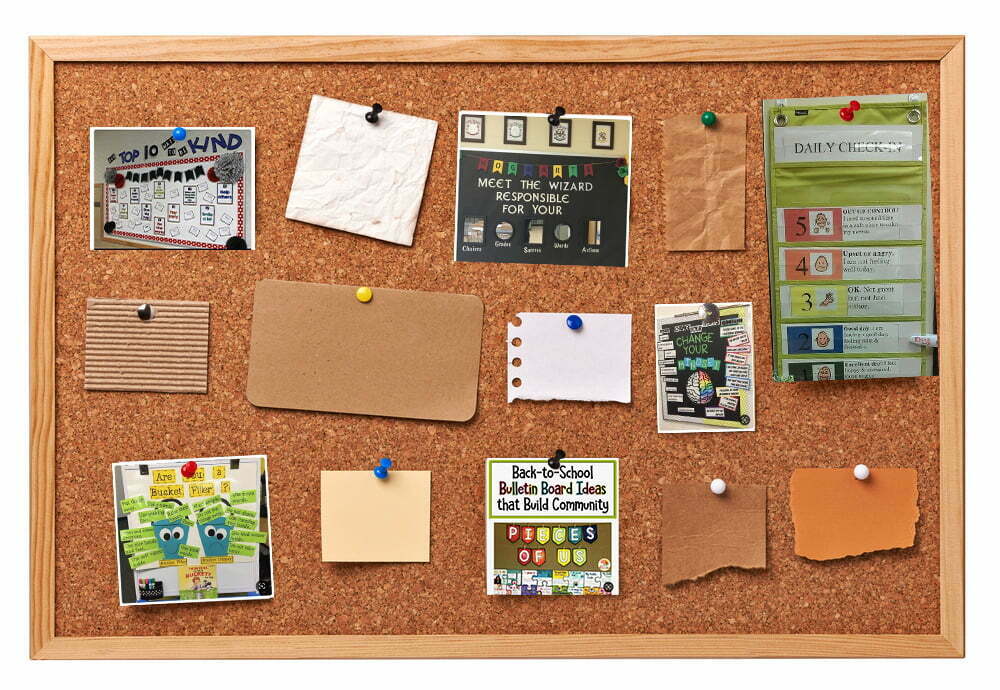
Bulletin Board Ideas For Beginners

These bulletin boards are a significant part of homerooms. They give a method for presenting new material or show understudy work. Teachers ought to make sheets that are similarly captivating and instructive. The utilization of intuitive sheets in the homeroom guarantees that understudies perceive the significance of the posted materials. Notice sheets ought to be changed much of the time and connect with ideas right now being shrouded in class.
Homerooms additionally need show sheets so instructors would feature understudy be able to work. Stopper sheets, release sheets and show sheets give educators a method for showing that they’re satisfied with their understudies’ intellectual and creative achievements. Educators ought to constantly show work from every understudy, essentially on a rotational premise in the event that there’s not sufficient room to show basically everything simultaneously.
THE THREE KINDS OF BULLETIN BOARDS

There are three principle kinds of release sheets that you can set-up in your homeroom – show, data, or intuitive. Every one of them can possibly be wallmounted, as well as, voyaging sheets or those made on a tri-crease show board. The sort of barricade you put will decide how connected with your understudies will be in many more than one it is finished.
1. Show Boards
Show notice sheets do precisely what their name suggests – they show understudy work. Frequently, show sheets are utilized in the passages outside of the homerooms to grandstand understudy work on another unit or subject. Show sheets are extraordinary for class kickoff night and parent teacher gatherings. They ordinarily don’t need a ton of arranging or additional material, in light of the fact that the substance is understudy created. It is critical to change the showed work regularly or the notice board rapidly turns out to be outwardly old.
2. Enlightening Boards
Need to build up an expertise with a visual update? An enlightening board is an extraordinary method for doing that. It presents new data in a visual organization that will help your understudies who recollect and grasp the subject. Educational sheets can be made with regards to any subject. They are ideal for voyaging release sheets, as well as, wallboards. A stunt for assisting understudies with zeroing in on the material that is generally significant, is to restrict the visual mess and feature the text or pictures that are generally significant by putting a brilliant, strong piece of paper behind those things. This will help to attract the understudies’ eyes to the spots where you need them.
3. Intuitive Boards
An intuitive release board is one where understudies have a chance to communicate with manipulatives themselves. While it might appear to be something simple to make, there are positive contemplations that ought to be considered. The board ought to be at eye level, incorporate shading, be tough, and have clear bearings regarding how to communicate with it.
WHY IS IT IMPORTANT TO HAVE A BULLETIN BOARD IN THE CLASSROOM

Fabricate Interest
An eye-getting release board will assemble interest in each understudy. Teachers ought to endeavor to make announcement sheets that present new ideas in an astonishing manner. Notice sheets appeal to the visual side of learning for understudies. To construct interest, instructors ought to improve the sheets before another idea is examined with the class. Understudies’ interest will start to assemble and they will be bound to focus on the illustration.
Inspiration
Inspire understudies to work more enthusiastically with an announcement board that shows remarkable understudy work. Instructors ought to endeavor to cause to notice each kid’s work sooner or later during the year. Understudies will be spurred to improve on tasks to have their work shown. In the wake of survey their work posted on a release board, understudies foster a feeling of satisfaction, proprietorship and inspiration to keep on making work that truly deserve consideration.
Collaboration
Intelligent announcement sheets are maybe the best sort of show. Understudies will invest more energy survey and endeavoring to comprehend intuitive release sheets. For ought to have the option to move pieces around on the board, tackle riddles or set their own twist on the board. This kind of sensation learning will urge understudies to fabricate understanding. Intuitive announcement sheets add some fervor to this commonly visual design.
Survey
Notice sheets can be utilized to return to ideas that have been recently shrouded in class. Material can be once again introduced before an impending test or toward the finish of a unit. Release sheets can be utilized to incite the understudies’ memory of recently covered material. Understudies will appreciate seeing a board loaded with data that they have as of now found out about. Announcement sheets used to survey more seasoned ideas give support to understudies as they understand exactly the amount they have learned.
GET ON YOUR BULLETIN BOARD A-GAME FOR YOUR BUSINESS

The old fashioned announcement board is making a rebound. Today, your representatives are reasonable immersed by electronic correspondence, like email. While endeavors to appropriate corporate correspondences electronically are honorable, the data is frequently covered in the “I’ll peruse it later” organizer. A material and visual announcement board set in a typical region can stand out such that an electronic reminder may not. Keep your release board dynamic and eye-getting, and your return will be in informed workers.
#1
Enroll somebody in your inventive group to plan and keep up with your notice board. Assuming you’re a private company that rethinks showcasing, request one from your workers who has a sharp eye for show and subtleties to take responsibility for announcement board.
#2
List your release board needs. You might observe you require more than one release board – – one for HR and consistence, one more for corporate interchanges and one more for organization culture, like impending occasions or a space for representatives to post data.
#3
Plan your space. Audit the requirements you recorded, and assess the number of release sheets in what sizes are fundamental. Visit your office and pinpoint high-traffic representative regions that will oblige your release board(s). You might realize the need to put specific release sheets in explicit regions rather than one assigned region.

#4
Pick a subject for your announcement board. A go-to subject is one with regards to your organization marking; think about it like a page on your site, including route. Utilize your corporate tones and plan components, for example, bended rather than straight edges, to plan and portray the substance of your announcement board.
#5
Select materials with regards to your subject. Pick paper in your prevailing tone for the foundation and staple to your announcement board. Cut paper in reciprocal corporate shadings in 1-inch streams the tallness or length of your notice board to line content regions. Pick one more tone as a foundation for theme headings.
#6
Append paper content to your announcement board at each of the four corners; this forestalls confused moving or undulating papers, which add to a chaotic and untidy board.
#7
Keep your release board dynamic. Update data reliably, and keep your topic new; for example, think about an occasional subject – – particularly one in which you can likewise join your marking.
Also, Read Benefits of Reading Books
HOW TO MAKE A BULLETIN BOARD FOR STUDENTS

Pick A Theme
Assuming you are experiencing difficulty picking a subject, you might need to begin your quest for a topic by asking yourself a few inquiries: What is the reason for the release board? Who are my students? How treat need my understudies to learn? Will the announcement board be utilized to build up learning? A release board might be utilized to present illustrations, build up learning, and add a beautiful component to the homeroom.
Pick A Color Palette
Pick a foundation tone as well as reciprocal tones for your release board. Contemplate your students and shadings that allure for them. Think about the point, as well. Splendid tones might be suitable for an example about summer. In any case, these shadings probably won’t be fitting for a set of experiences illustration. For my venture, I picked energetic shadings on the grounds that these tones will more often than not interest small kids who are at the grade level that would utilize this announcement board.
Make A Supply List For The Bulletin Board
Sl. No. Supply List 1 Notice Board 2 Stapler (with staples) 3 Pencil 4 Markers 5 Scissors 6 Wrapping Paper 7 Divider Borders 8 Word Strips 9 Measuring Stick or Ruler 10 Removable Mounting Putty (Double-Stick Tape) – Any mounting material, for example, the clay might eliminate a portion of the material to which it is stuck. 11 Huge Room Decor (pictures) Before you search for provisions, take stock of what you as of now have. Assuming you are an instructor, you might have the option to utilize materials that different educators never again need. Consider reusing things that were essential for past undertakings.
Go Out To The Town To Shop

Presently it’s an ideal opportunity to buy any things that you actually need. Most educator supply stores convey these things. Shopping on the web is an extraordinary choice. Rather than utilizing release board paper for my experience, I bought wrapping paper to eliminate the cost.
Orchestrate The Items
Orchestrate the things the manner in which you would like them to show up on the announcement board. Improve on a case by case basis. Trim any things that should be edited. Whenever you are happy with the plan, eliminate the things from the board. Assuming you figure you will experience issues recollecting the arrangement, snap a photo preceding evacuation.
Add The Wrapping Paper
Measure within boundary of the edge. This will give you an estimation for the wrapping paper. Utilize this estimation to cut the wrapping paper. Staple the wrapping paper inside the edge.
Join The Border

Conclude how you would like the boundary to be organized. You might cover every one of the four sides of the announcement board, different sides, or utilize no boundary by any means. For this example project, boundaries will be on every one of the four sides of the casing. Connect the line utilizing removable mounting clay on the rear of the boundary strips. In the event that lines don’t fit precisely, trim the boundaries to the right size before adhering them to the edge. The mounting clay will be between the boundary and the casing.
Add Pictures And Words
Set mounting clay on the rear of the photos and word strips to adhere them to the piece of the announcement board that has been covered with wrapping paper. Modify things as you want until you are happy with what it looks like.
The Finished Product
Your undertaking is presently finished. This release board is only one illustration of the many topics that might be displayed on announcement sheets. I trust this undertaking motivates you to make your own unique homeroom notice board show.
Also, Read 18 Best Out of Waste Ideas
THINGS TO REMEMBER WHILE MAKING THE BULLETIN BOARDS

- Availability
An intuitive announcement board does understudies nothing but bad if they can’t arrive at it. While arranging such a board, make sure that it is at their eye level and effectively open for youthful hands. Since most release board outlines are at an grown-up’s eye level, you might have to paper the region underneath the typical release board segment to make it work.
- Vivid
Visual interest is the way to keeping youngsters occupied with intuitive notice sheets. Plain, exhausting sheets with nearly nothing shading or visual allure won’t hold understudies’ advantage. Regardless of whether the theme being covered is intriguing, understudies will immediately become exhausted and uninterested. Take the time to add composed shadings and visual enticement for your announcement board show
- Strength
On the off chance that understudies will control things on the announcement board itself (for example matching photos of their colleagues to side interests they appreciate), ensure that the material you use is adequately tough. Overlay materials that understudies will use should utilize the most grounded Velcro or glue that you have accessible. By making the announcement board with solid materials at the starting, you will save yourself time fixing it throughout the span of its showcase life.
- Directions
Intelligent notice sheets ought to have clear, succinct bearings that are simple for your understudies to peruse and comprehend. Assuming a portion of your understudies need additional assistance with perusing, think about recording the bearings and permitting understudies to play them back on a case by case basis. In a perfect world, an intuitive notice board will be a free workstation for understudies, so think about their capacity levels while arranging exercises and communication necessities.
FREQUENTLY ASKED QUESTIONS (FAQs)

Q. Give some tips please to make the bulletin board better.
A. 1. Hang a few lights.
2. Use large letters.
3. Turn it into a feature
4. Make it 3D
5. Use clothespins
6. Use the whole divider.
7. Give children something to contemplate.
8. Use modern quotes
Q. How to decorate the bulletin board?
A. Beautify with strips. A confound lace configuration is a famous look, particularly over batting. Enclose strips by lines at a 45º point to the board, sticking or stapling to the back. Rehash with strips skewed the other way to make a precious stone example. Pin the strips set up where two strips cross.
Sewing buttons over every crossing point makes an additional a charming look.
Obviously, you can orchestrate the strips anyway you like. For example, vertical strips could partition the announcement board into regions utilized for various purposes.
Transform it into a tufted notice board. Assuming you appended batting to your announcement board, you can copy a delicate, tufted blanket. This is the way-
Nail a piece of compressed wood to the rear of the board.
Nail little, short nails through the texture and onto the compressed wood. Place them in a jewel design. Ensure they don’t enter the compressed wood.
Cover the nails with upholstery tacks, or paste embellishing dabs over them.
Add overlaid adornments. Overlay a piece of texture or development paper. Remove letters or shapes and pin them along the highest point of the board.
Attach composing material. Add record cards or clear paper for composing notes. For stylish assortment, cut the paper into circles or use paper in a few tones.
Q. How to mount the bulletin board?
A. Screw the board to the divider. Assuming you own the house or have authorization from the proprietors, screw in the board for a safe fit. Fit each screw through a washer prior to fastening it, to forestall it smashing the delicate board.
Dangle from divider mounting squares. To harm the divider, stick on a divider mounting square, or a few assuming your board is enormous. Trust that the cement will fix, for anyway lengthy the mark recommends. Stick on the board and press immovably.
Release sheets are typically too weighty to even think about dangling from cement clay.
Dangle from a snare or nail. You can buy solid glue snares to penetrate the divider. Poke two holes in the notice board and string solid wire, twine, or lace through both. Twofold bunch on one or the other side and loom over the snare or nail.
Q. Please give some tips and warnings for bulletin board.
A. Tips
Assuming your batting or texture winds up with wrinkles, re-try the corners. Connect the two sides independently. Crease abundance texture on one side over and around, pulling tight. Bring last part of overabundance texture under the overlap and join to the board.
To join pressed wood, nail the openings with a little square of wood behind the board all things considered.
Warnings
Little youngsters ought to request assist with scissors, pins, and heated glue.
A huge notice board can be a fire peril, particularly assuming it incorporates batting. Keep all candles and hotness sources from the area. Consider splashing the texture with insulating shower.
Q. How to make a bulletin board?

A. Pick the sponsorship. Corkboard is the conventional material for release sheets, however can get pretty costly. Bristol board, froth board, or sound hosing board are altogether less expensive other options. You could in fact utilize thick cardboard, as long as it’s strong enough not to tear Squeeze it into a casing (discretionary). The casing won’t be apparent after this venture is finished. Nonetheless, an edge makes it simpler to connect the batting and texture can be added. It gives a little assurance, which might be worth the effort assuming kids will utilize the board.
Cover with batting (discretionary). Dainty batting (cushioning) adds a milder touch and takes into account three-layered plans. Append as follows: Lay the board face down over the batting. Cut a square shape of batting around 2-3 inches (5-7.5cm) bigger than the board. Pull one corner over the rear of the board. Join with a heated glue firearm, texture stick, or then again (assuming that an edge is available) a staple weapon. Rehash with batting around the entire board, pulling rigid prior to connecting. Trim off abundance batting.
Iron a piece of texture. Select a beautiful texture bigger than the release board. Remove a piece around 4-6 inches (10-15cm) bigger on each side than your board. Iron this until it is totally level. Wrapping paper is another modest choice, yet will in general tear before long. Cover the board with texture. Lay the board face-down on the rear of the texture. Pull the texture around and append to the rear of the board, similarly as with the batting. Pull rigid as you proceed to check the front every now and again to stay away from wrinkles.
Q. Give two DIY bulletin board ideas.
A. 1. Outlined texture notice bulletin board
To make a notification board that truly looks like it, head over the That’s What She Said.
Do-It-Yourself notice sheets are a genuine show-stopper and seems as though it has a place in a shop! Shockingly however, it’s actually fairly simple to make and doesn’t need any sewing abilities at all.
Assuming you need a very beautiful notification board that not exclusively does the work yet is a component in your room, this could be an ideal one for you.
2. Do-It-Yourself stopper board for bulletin
Do-It-Yourself stopper bulletin board! Isn’t it simply dazzling!?
On the off chance that, similar to us, you get past rather a great deal of wine, it very well may be the ideal method for putting that large number of stops to utilize.
It genuinely is lovely and adds a truly crazy energy to any room – it’d look radiant in an advanced kitchen to add a fly of shading!
Here is a PDF with more information about creative bulletin board ideas!
Also, Read Creative Writing – Career Opportunities to explore!
-
Information Technology: Basic technology vocabulary to teach your child

Information Technology is the fascinating force that drives our world today. It has increased productivity, improved lifestyles, and created ways to keep people globally connected. As technology continues to evolve, various improvements are being made in almost all areas of human life. This results in advancements in technology to meet the ever-changing needs.
Information technology (IT) is usually associated with various computer-related services. IT is not limited to Computer systems design and related services. It is a whole new world in itself, and now AI has opened up a plethora of opportunities that we can never even dream of.Index
- Information technology
- What is Information Technology?
- Advancements in inventions throughout the years
- Importance of Information Technology
- Uses of information technology
- Career options in the field of Information Technology(IT)
- Certification and skills in Information Technology
- Social Media in Information Technology
- Why should you teach based information technology vocabulary to children?
- Basic Computer Parts
- Basic information technology Vocabulary(terms) for children
- How to teach children basic information technology vocabulary
- IELTS vocabulary for Technology
- Frequently Asked Questions(FAQ)
- Bottomline
Information technology

Source- Google Images Information technology has existed since the 1960s when time-sharing became widespread. In the first stage of information technology development, computers were used as calculators and devices to store data. There was high demand for scientists and mathematicians who could use computers to solve complex problems. With the launch of WWW (World Wide Web) and the internet, computers have become a part of everyone’s daily life. The need for skilled IT professionals will only increase as the digital world progresses. Computers and software are an integral part of all business operations.
The information technology department should provide effective leadership in this area. This requires having the right skills and understanding of the current state of technology to anticipate future needs. Leadership in information technology can be in many forms, from big data development to blockchain development to software engineering or software development. The information technology industry is one of the largest contributors to the economy and continues to provide millions of people with jobs.What is Information Technology?
Information technology applies digital and physical technology to store, protect, process, and transmit information. Information technology (IT) can be defined as the use of computers to create, process, store, retrieve, and exchange all kinds of electronic data and information.
We usually understand the term Information Technology in reference to business operations. There is a high demand for people in Information technology as the range of career options expands.Advancements in inventions throughout the years
Source- Google Images Many believe that the start of technology began when the wheel was invented, which lead to many other inventions. Most people believe that the Industrial revolution in Britain in the 18th Century helped with the rise in technology.
Charles Babbage invented the first computer in the early 19th century, and it paved way for other inventions. In 1843, Charles Thurber invented the typewriter. In 1888, Heinrich Hertz produced radio waves. Nikola Tesla invented Wireless communication in 1893, while Guglielmo Marconi invented Radio signals in 1895.
With the invention of Hypertext software by Andries Van Dam and Ted Nelson in 1967, Email by Ray Tomlinson in 1971, World Wide Web in 1989 by Sir Tim-Berners Lee, and Google in 1998 by Larry Page and Sergey Brin, there have been multiple advances in the field of IT, as seen today.
Importance of Information Technology
We live in a fast pace world with world of information at our finger tips and all thanks to Information Technology. Information Technology does not limit itself to one field, rather IT plays a vital role in many fields.
In the business field, IT helps with the requirements of the clients, to fulfill the growing demand and expectations. The education field uses Information Technology to ensure they are up to date with the techniques while equipping students to help them keep up with the new advances in technology. In finance, IT helps the banks keep track of records and transactions. Similarly, Information Technology is also used in fields such as healthcare, employment, and security.

Source- Google Images Uses of Information Technology
- Communication is made easier with the help of IT. People can send email, text, or even call a person anywhere on the globe.
- Due to IT, there have been advances in the Entertainment industry.
- IT has helped overcome issues in regard to distance and time differences. Thus, work-from-home culture is easy to implement.
- The education field has advanced with the help of IT. Many online platforms are being established to help students learn.
- Due to the demand for IT professionals, this has opened new areas in IT. The IT sector is always advancing, and new ideas flow daily.
Career options in the field of Information Technology (IT)

Source- Google Images There are a vast number of career options in the Information Technology field. Some examples are-
- IT Manager
- Network Engineer
- Support Analyst
- Technology Specialist
- Database developer
- Technical consultant
- Software Developer
- Web Developer
- IT Project Managers
- Data Scientist
- Sales Engineer
- Blockchain developer and more
Certification and skills in Information Technology
There are many IT certifications available online, as well as provided by colleges and companies. Some of them are as follows-
- Certified information security manager (CISM)
- AWS certified cloud practitioner.
- Certified data professional (CDP)
- Project Management Professional (PMP)
- Certified ethical hacker (CEH)
- Certified cloud security professional (CCSP)
- Google Certified Professional Cloud Architect
- Certified Information Systems Security Professional (CISSP)
- Certified data privacy solutions engineer (CDPSE)

Source- Google Images Some skills that employers look for are-
- Communication skills
- A positive attitude
- The ability to work in a team
- Technical skills
- Problem-solving skills etc

Source- Google Images Why should you teach basic information technology vocabulary to children?
In the 21st century, technology plays a vital role in everyone’s life. Learning and updating your technological vocabulary is a continuous process. Helping the child learn these technological terms will keep them updated with the current trend, as well as help cultivate their interest and are future ready.
Basic computer parts for kids to learn
Desktop
Desktop is a full-sized computer screen that includes the Central Processing Unit(CPU)
Monitor
The monitor is the screen you can view. For example, the screen through which you are reading this is the monitor.
Keyboard
The keyboard is a device which helps the user enter numbers, letters, and other symbols.
Mouse
The mouse is an input device that is used with the computer, which helps you move the cursor.
Central Processing Unit
The Central Processing Unit (CPU) is a part of the computer that executes the instructions in order. The CPU functions as the brain of the computer
Cursor
The cursor is the tiny arrow that moves when you move the mouse. This is used to select anything on the computer.
Laptop
The laptop is a portable computer, which is smaller in size. Unlike the Desktop, the CPU, Mouse, and Keyboard are attached to the laptop.
Basic technology vocabulary (terms) for children
Access
In short, Access can be understood as getting the required document, information, or data. Data access is getting particular data from a computer. Web access means having a connection to the World Wide Web.
Applications
Application is a computer software package that performs the specified function for the user or another application. It is popularly known as an application program/software.
Attachment
A file sent via email is known as an attachment. It could be in the form of an image, video, text document, or any other type of file.
Bandwidth
Bandwidth is the maximum amount of data that can be transmitted over an internet connection in a certain amount of time. This helps measure the capacities of the network.
Bit
The bit is the most basic unit of information in computing and digital communications.
Bluetooth
Bluetooth is popularly known as a short-range wireless technology standard that can be used to exchange data between fixed and mobile devices over short distances. You can send files from one device to another using Bluetooth without the use of cables. There are many Bluetooth devices such as Bluetooth speakers, Bluetooth headphones, Bluetooth keyboards, etc that are sold
Boot(re-boot)
To re-boot simply means turning it on or restarting.
Broadband
Broadband can be defined as the transmission of wide bandwidth data over a high-speed internet connection.
Browser
A web browser is application software used to access the World Wide Web. Google, Bing, Mozilla Firefox, etc are examples of web browsers.
Cache
A cache can be defined as a supplementary memory system that temporarily stores frequently used instructions and data for quicker processing. This is also known as Cache Memory.
Cookie
Computer cookies are recorded when you enter any website. These cookies are sent back to the server every time your browser requests a new page. It’s a way for a website to remember you, your preferences, and your habits online. Based on this, they recommend other websites and advertisements.
Cybersecurity
Cyber security is protecting computers, servers, mobile devices, electronic systems, networks, and data from malicious attacks. They keep the device secure from any kind of Malware.
Download
Downloading is the transfering of a file or data from one computer to another over a network to the user’s device. You can download images, videos, files, and audio.
Email
Electronic mail is a method of exchanging messages between people using electronic devices. Gmail, Yahoo, and Outlook are some examples of emails.
Ethernet
Ethernet is a standard communication protocol used to create local area networks with the help of wires. This can support the communication between different network media.
Firewall
A firewall can be defined as a network security device that monitors incoming and outgoing network traffic and decides whether to allow or block specific traffic based on a defined set of security rules.
Home page
The homepage is the main/front page of a website. This is also known as the “start page”.
HTML
Hypertext Markup Language (HTML) can be defined as a set of markup symbols or codes used to display on the Internet. HTML is used to develop a web page and is a computer language that is taught to students.
Install
To “Install” simply means to add software or hardware components to your computer. You usually “install” programs onto the device, such as Google Chrome, Whatsapp, etc.
Internet
The Internet is an international network that connects to billions of computers and other electronic devices. It consists of millions of webpages, websites, images, videos etc.
Java
Java is a widely used programming language and software platform. It is one of the popular computer languages that are taught to students.
LAN
A local area network (LAN) is a collection of devices that is connected to the network in one physical location, such as a building, office, or home.
Log in
Logging in is the process by which an individual gains access to a computer system by proving your identity. It is also known as signing in.
Malware
Malware is a software that is designed to damage and destroy computer systems, leading to damage to the computer. Virus, adware, ransomware, etc are examples of Malware.
Modem
A modem is a hardware device that converts carrier waves so they can be received by other devices. For example, the modem converts the Signal from the Internet server Provider (ISP) into an internet connection suitable for your wi-fi router.
Operating system
An operating system (OS) is system software that manages computer hardware, software resources, and provides common services for computer programs. Microsoft Windows, Google Android iOS, Apple iOS are a few examples of operating systems.
Processor
A processor is an integrated electronic circuit that performs the calculations that run a computer. The processor runs the instructions that are passed by the Operating System(OS)
RAM
RAM can be defined as a volatile memory that temporarily stores the files you are working on.
ROM
ROM can be defined as a non-volatile memory that permanently stores instructions for your computer.
Search Engine
A search engine is a web-based tool that allows users to find information on the World Wide Web. The search engine scans through millions of articles based on the key phrase you used. When you search up a word on any of the web browsers, the search engines direct you to the most relevant websites.
Server
A server is a computer program or device that provides a service to another computer program and its user, also known as the client. Servers have more storage and memory while compared to normal computers. The “Client” computers request these servers for information over networks. For example- In a company, the server consists of all the data, while the individual computers request the required data.
Spam
This is commonly understood as digital junk mail. Spam is also sent via messages and phone calls. At times they are annoying, and a threat to the user. They are used to trick the user into giving details, such as bank details, phone numbers, etc.
Support
Computer support is the process of providing diagnostic, maintenance, and repair services to the required device. It usually allows the end-users to get specialized computer maintenance and management services. This can be done locally (from their home/office) or via the Internet.
URL
The full form of URL is Uniform Resource Locator. A URL is nothing more than the address of a given unique resource on the Web. It is commonly known as the web address. This URL tells the web browser where to find the required resource. The URL consists of the domain name, path, query, etc.
Virus
A computer virus is a malicious piece of computer code that is designed to spread from device to device. The virus infects the programs. Initially, the programs perform normally, but eventually, it starts to transfer this infection to other programs and files. A virus is one type of malware.
They can spread through attachments in infected emails, infected downloads, etc. It is usually advised to be careful while
Wi-fi
A Wi-Fi network is simply an internet connection that’s shared with multiple devices with the help of a wireless router. The full form is wi-fi is wireless fidelity. Wi-fi connects computers to each other through the internet without cables, as the name suggests. In addition, you don’t have to worry about using cables when you use devices that use Wi-Fi. For example- many printers use wi-fi, so you don’t have to worry about using cables.
How to teach children basic information technology vocabulary?

Source- Google Images Computers and other electronic machines have been used in the workplace for many years. This has not always been a positive experience, as they can cause accidents and injuries. There are many reasons that it is unsafe to use computers at work. However, there are ways to ensure that you can use them safely.
Show them practically
Children tend to learn visually, when you show them examples, rather than blankly telling them. You can show them examples such as spam email, and web browsers through the computer.
Ensure they understand the risks on the internet
Many children aren’t educated on the risks, which could cause problems. Make sure you explain the issues and potential risks to the child. Supervise the child, if required.
Practice Internet Safety
Lay down basic rules for the child to follow, to ensure safety. Internet safety is important to protect them from dangers such as cyberbullying, viewing inappropriate content, scams, identity theft, etc.
IELTS Vocabulary for Technology
IELTS(International English Language Testing System) has used Information Technology as a common question in their speaking round. It is thus important for students to keep up with the advances in technological vocabulary.
Here are some of the technical vocabulary used in IELTS.
- Access to the Internet – The device can connect to the Internet
- Advancement in technology – Technology moving forward according to the trends and requirements
- Computer literate – One who has basic knowledge about computers
- Glued to the screen – When you can’t leave the device
- Hacking into the network – To illegally access something on the internet
- Internet access – To be able to access the Internet
- Online piracy – Downloading of licensed media(such as shows, movies, etc) from the internet without paying for it.
- Shut down – Turn the computer off
- Social media networks – Online platforms for communication
- Surfing the web – To move from one site to another on the Internet
- To crash – To stop working all of a sudden
Frequently Asked Questions (FAQ)
- What are some technology vocabulary terms?
Answer- Words like spam, login, broadband, email, ethernet, boot, install, wi-fi, modem, etc are some examples of technology vocabulary terms.
2. How do you teach technology vocabulary?
Answer- While teaching someone technology vocabulary, it is important to show them visually what it is. In addition, it is very important to educate them about the risks.
3. What are words associated with science and technology?
Answer- Words like Scientific discipline, technological advances, the computer age, experiments, Information Technology, etc are associated with science and technology.
4. What is technology IELTS?
Answer- Technology is a frequent topic used in the IELTS speaking test. Vocabulary such as “Computer Literate”, “Internet of things”, “shop online”, “ Statue of the art technology” etc are some IELTS vocabulary about Technology.
5. What are some IT certifications?
Answer- Some It certifications are Certified information security manager (CISM), Certified ethical hacker (CEH), The Certified cloud security professional (CCSP), and Certified cloud security professional (CCSP)
Bottomline

Source- Google Images The field of Information Technology is ever-growing and rapidly changing to the need of the hour. IT continues to hire a lot of people and develop new devices and programs to work with. Thus, Information Technology is the present and the future. We may like or hate it but it is here to stay!
-
50 Amazing And Unknown Facts!
 Table of Contents
INTRIGUING FACTS TO SHARE WITH EVERYONE

Arbitrary fun realities or facts surprise us in the most ideal manner. They’re surprising or uncommon pieces of information from the universes of science, history, and mainstream society that pleasure and engage us-and anybody we share them with. In any case, these intriguing realities aren’t simply entertaining snippets of data that will make you a virtuoso at responding to random data questions: Facts are truly captivating, and when you get everything rolling, you’ll need to continue to peruse until your interest is fulfilled.
Regardless of whether you’re into facts that nearly don’t sound valid (however thoroughly are), irregular random facts, science random facts, creature random facts, animation random facts, film random facts, and additionally book random facts, you’ll track down a lot of new facts here. Furthermore, in the event that you’re searching for random data inquiries for youngsters to engage them during a family supper or a drawn out, difficult experience trip, we have a lot of those, as well!
Also, Read 100 Amazing Science Facts
50 AMAZING FACTS

#1
The world’s most seasoned wooden wheel has been around for over 5,000 years. It was found in 2002, around 12 miles south of Ljubljana, the capital of Slovenia, and is currently housed in the city’s gallery. Radiocarbon dating was utilized to decide the wheel’s age, which is somewhere close to 5,100 and 5,350 years of age. Nearer to home, these are the most established vacation spots in each state.
#2
Dead skin cells are a principle fixing in family dust. Here is a fascinating science truth for you: According to scientists at Imperial College London, people shed around 200 million skin cells every hour-and they need to head off to some place when we’re inside. On the off chance that skin dust isn’t agreeing with you, you should realize that a report from the American Chemical Society observed that a skin oil called squalene normally decreases indoor ozone levels by up to 15 percent.
#3
Sudan has a greater number of pyramids than any country on the planet. In addition to the fact that Sudan has a bigger number of pyramids than Egypt, yet the numbers aren’t close by anyone’s standards. While 138 pyramids have been found in Egypt, Sudan gloats around 255.
#4
The honey bee bat is the world’s littlest warm blooded creature. Tipping the scales at 0.05 to 0.07 ounces, with a head-to-body length of 1.14 to 1.29 inches and a wingspan of 5.1 to 5.7 inches, the honey bee bat-otherwise called Kitti’s hoard nosed bat-is the littlest warm blooded creature on the planet, as indicated by the Guinness Book of World Records. To see this little bat for yourself, you’d need to visit one of a chosen handful limestone caves on the Khwae Noi River in Kanchanaburi Province of southwest Thailand.
#5
The circulatory framework is in excess of 60,000 miles in length. Assuming a youngster’s whole circulatory framework we’re talking veins, supply routes, and vessels were spread out level, it would extend for in excess of 60,000 miles, as indicated by the Franklin Institute. When we arrive at adulthood, our bodies have become home to around 100,000 miles of veins.
#6
There are portions of Africa in every one of the four halves of the globe. For individuals whose schooling was generally centered around the Western world, it could be astounding for discover precisely how gigantic the mainland of Africa is. For example, it traverses each of the four sides of the equator and covers almost 12 million square miles.
#7
The cornea is one of just two pieces of the human body without veins. The cornea is the reasonable piece of the eye that covers the student and different pieces of the eye. Ligament and the cornea are the main kinds tissue in the human body that don’t contain veins.
#8
The world’s initially energized include film was made in Argentina. Regardless of whether you know a great deal of Disney random data, you could accept that the distinction of first vivified highlight film has a place with Walt Disney‘s 1937 film Snow White and the Seven Dwarfs. In any case, 20 years sooner, a full-length enlivened element film was made in Argentina. It was a political parody called El Apóstol comprised of 58,000 drawings and made some running memories of 70 minutes, as per the Guinness Book of World Records.
#9
German chocolate cake was created in Texas. The “German” part of German chocolate cake comes from an American man-not an European country. In particular, it’s named after Sam German, who in 1852 made the equation for a gentle dull baking chocolate bar for Baker’s Chocolate Company, which was consequently named Baker’s German’s Sweet Chocolate.
#10
Marla Gibbs kept on functioning as an airline steward for quite some time subsequent to being projected on a hit TV show. Before having her spot on the stoop of 227, Marla Gibbs played the maid Florence on The Jeffersons (a side project of All in the Family). In a 2015 meeting, Gibbs told the Washington Post that in spite of it seeming like she had stumbled upon the opportunity of a lifetime, she saved her occupation as an airline steward for American Airlines for two additional years-as a sanity check.

#11
In 1889, the Queen of Italy, was the first orderer of pizza. Rumors have spread far and wide suggesting that she needed to eat on something a plebeian would eat.
#12
Fish flavoured ice cream is available in Japan. The strange frozen yogurt flavor is a mid year delicacy.
#13
Red is supposed to be related with negative activities in Portugal.
#14
Wildcats flourish in areas that stretch from Canada to Mexico. However, best of luck viewing one.
#15
Lizards have a million hair on their feet. The hairs stick to surfaces with an exceptional substance bond. This allows the geckos to climb dividers and hold tight by only one toe.
#16
The word astronaut comes from words that want to actually say “star” and “mariner” in Greek.
#17
The calcium in our bones and the iron in our blood come from the antiquated blasts of goliath stars.
#18
The Nile crocodile does not require oxygen underwater for almost two hours. It does this while sitting tight for prey.
#19
Chinese salamander is six feet in length. It’s the biggest lizard on the planet.
#20
Individuals like blue and not red toothbrushes. The tone truly doesn’t have an effect. Simply watch out for any gross things that could be on your toothbrush.

#21
The Philippines comprises of 7,641 islands. The Philippines is an archipelago, and that implies it’s comprised of a gathering of islands-7,641 islands, to be careful. That figure does exclude the a large number of shoals and other landforms that arise during low tide.
#22
A one-way stumble on the Trans-Siberian Railway includes crossing 3,901 extensions. Not exclusively is the Trans-Siberian Railway the longest railroad in Russia, but at the same time it’s the longest one on the planet. The excursion requires seven days, during which time travelers relax zones and cross 3,901 scaffolds.
#23
The Golden Girls should have an alternate signature tune. Believe it or not: Instead of Andrew Gold’s notorious “Thank You for Being a Friend,” the show’s makers needed to utilize Bette Midler’s melody “Companions,” as per Jim Colucci, writer of the book Golden Girls Forever: An Unauthorized Look Behind the Lanai. Yet, the freedoms to the Divine Miss M’s melody were excessively costly, and the rest is sitcom history.
#24
There’s sufficient gold inside Earth to cover the planet. Ends up, there’s a lot of gold on-or, truly, in-our planet: almost 100% of the valuable metal can be found in the Earth’s center, Discover Magazine reports. How much is there? Enough to cover the whole surface of the Earth in 1.5 feet of gold.
#25
Cleveland was once the country’s fifth-biggest city. Information from the 1920 U.S. statistics demonstrates that Cleveland, Ohio, was one of the most vigorously populated urban areas in the country, behind just Detroit, Philadelphia, Chicago, and New York City. Today, these are the biggest urban communities on the planet.
#26
People can utilize just a little part of Earth’s water. In school, we were instructed that most (explicitly, 71%) of the planet’s surface is canvassed in water. While that is valid, people can utilize just 0.007 percent of that water, as indicated by National Geographic. That is on the grounds that just around 2.5 percent of Earth’s water is new water, and just 1% of that is available. The rest makes up glacial masses and snowfields.
#27
Wally Amos is answerable for putting something beyond treats on the map. You might be comfortable with Wally “Popular” Amos, because of his bundled chocolate chip treats. Yet, before he did something amazing for the sweet treats, he was occupied with putting individuals on the map, Biography reports. He found and marked society team Simon and Garfunkel and was an ability rep for behaves like Diana Ross, Sam Cooke, and Marvin Gaye.
#28
The brand name Spam is a blend of “zest” and “ham”. This is one of those fascinating realities you likely idea you knew yet really didn’t.
#29
It takes a drop of water 90 days to venture to every part of the whole Mississippi River
Crossing 2,340 miles, the Mississippi River is the third-biggest watershed on the planet. That is one significant length of water. So lengthy, truth be told, that it requires one drop of water around 90 days to travel its whole length.#30
Individuals once ate arsenic to work on their skin. You’ve most likely caught wind of how a great deal of the Victorians’ cherished beauty care products were filled with arsenic, however it deteriorates. There were additionally items available in the late nineteenth century, as Dr. James P. Campbell’s Safe Arsenic Complexion Wafers, that were intended to be eaten. They professed to dispose of spots, clogged pores, and other “facial deformations.” Admit it: That’s perhaps the most intriguing reality you’ve learned in some time.

#31
The main individual handled at Ellis Island was a 15-year-old young lady from Ireland. On January 1, 1892, Annie Moore was the main traveler to land at Ellis Island on its first day of the season. She had gone to the United States with her two more youthful siblings on board the SS Nevada subsequent to leaving from Queenstown, Ireland.
#32
Japan makes them distribute machine for each 40 individuals. Japan is remembered to have perhaps the most noteworthy thickness of candy machines on the planet, with one for each 40 individuals in the country. While most sell different kinds of drinks, others highlight frozen yogurt, noodles, and expendable cameras.
#33
Lemons float, yet limes sink. Since limes are denser than lemons, they drop to the lower part of a glass, while lemons float at the top. Out of this multitude of arbitrary fun realities, this one’s been before our countenances (or rather, in our glasses) this entire time!
#34
The initial time “period” was utilized on TV concerning feminine cycle was 1985. It came through a line in a Tampax business: “Feeling cleaner is more agreeable. It can really change the manner in which you feel about your period.” And the entertainer who made mainstream society history was Courtney Cox of Friends acclaim.
#35
McDonald‘s once made bubblegum-seasoned broccoli. This insane McDonald’s reality will have your taste buds slithering. Obviously, the endeavor to get children to eat better didn’t turn out well with the kid analyzers, who were “befuddled by the taste.”
#36
Hummingbirds wings can beat up to 200 times per second.
#37
There are 1200 water activity parks in the northern part of America.
#38
A seahorse can look in both directions at the same time and this makes it more straightforward for seahorses to examine the water for food and hunters.
#39
The sun is gigantic it’s 99.8 percent of all the mass in our planetary group.
#40
The collective noun for jellyfish is called smack.

#41
The principal oranges weren’t orange. The first oranges from Southeast Asia were a tangerine-pomelo mixture, and they were really green. Indeed, oranges in hotter areas, for example, Vietnam and Thailand, actually stay green through development.
#42
A cow-buffalo half and half is known as a beefalo. You could actually purchase its meat in no less than 21 states.
#43
Scotland has 421 words for snow.
#44
Samsung tests telephone strength with a butt-formed robot. Individuals stash their telephones in their back pockets constantly, which is the reason Samsung made a robot formed like a butt to “sit” on their telephones to ensure they can take the strain. In all honesty, the robot even wears pants.
#45
The Windy City epithet doesn’t have anything to do with Chicago’s climate. Assuming that you live in Chicago, you could definitely know this irregular reality, however we’re wagering most others don’t. Chicago’s epithet was authored by nineteenth century writers who were alluding to the way that its inhabitants were “blabbermouths” and “loaded with hot air.”
#46
Peanuts aren’t in fact nuts. They’re vegetables. As indicated by Merriam-Webster, a nut is just a nut assuming it’s “a hard-shelled dry organic product or seed with a detachable skin or shell and inside bit.” That implies pecans, almonds, cashews, and pistachios aren’t nuts by the same token. They’re seeds.
#47
Armadillo shells are unbeatable. Truth be told, one Texas man was hospitalized when a projectile he took shots at an armadillo deflected away from the creature and hit him in the jaw. That is an absolutely obvious creature goody.
#48
Firemen use wetting specialists to make water wetter. The synthetic substances decrease the surface pressure of plain water so it’s more straightforward to spread and better douses into objects, which is the reason it’s known as “wet water.”
#49
The longest English word is 189,819 letters in length. We won’t illuminate it here, however the complete name for the protein nicknamed titin would require three and a half hours to say without holding back. While this is, by a wide margin, the longest word in English, the longest word in the Oxford English Dictionary has 45 letters, and the longest made-up word has only 28. Only a couple of additional fascinating realities for your next mixed drink party!
#50
Some octopus species lay 56,000 eggs all at once. By and large, a monster Pacific octopus will lay 56,000 eggs toward the finish of a pregnancy, throughout about a month, NPR reports. From the get go, these new infants float through the encompassing water unattached to each other or their mom. However at that point the mother assembles each egg-which is about the size of a grain of rice-and meshes them into twists, permitting all her an eye on everybody simultaneously.
Also, Read Emerald stones: Interesting Facts and More You Need to Know!
A TABLE FULL OF FACTS!
Sl. No. Unknown Facts
1Hot water will turn into ice faster than cold water. 2 The Mona Lisa has no eyebrows. 3 The sentence, “The quick brown fox jumps over the lazy dog” uses every letter in the English language. 4 The strongest muscle in the body is the tongue. 5 Ant’s take rest for around 8 Minutes in 12 hour period. 6 “I Am” is the shortest complete sentence in the English language. 7 Coca-Cola was originally green. 8 The most common name in the world is Mohammed. 9 When the moon is directly overhead, you will weigh slightly less. 10 Camels have three eyelids to protect themselves from the blowing desert sand. FREQUENTLY ASKED QUESTIONS (FAQs)

Q. Tell me something more unsual.
A. Your interesting bone is really a nerve. The name “funny bone” comes from the humerus bone, which associates the shoulder to the elbow. In any case, that is not the wellspring of the shivering sensation you feel when you knock your elbow perfectly. It’s really the consequence of the humerus bone coming into contact with the ulnar nerve, which is liable for enlightening the cerebrum regarding sentiments in the ring and pinky fingers.
The main interpreter of the European Parliament communicates in 32 dialects fluently. Since 2002, the Greek interpreter Ioannis Ikonomou has been the central interpreter of the European Parliament. With 32 dialects added to his repertoire, he justifies the position. He at first moved to Brussels to be a mediator, a significant situation in the EU capital, however after he realized every one of the 12 authority dialects of the EU, he continued onward and presently talks considerably more, including Bengali, Swahili, and Turkish.
Research shows that all blue-looked at individuals might be related. At least, they might have a similar far off predecessor. Subsequent to concentrating on the DNA of blue-peered toward people from Scandinavia, Turkey, Jordan, and India, Danish scientists observed that they all had indistinguishable quality groupings for eye tone. They accept this quality comes from a solitary individual, called the “author,” whose qualities transformed somewhere in the range of 6,000 and 10,000 years prior. Before that, everybody had differing shades of earthy colored eyes.
Q. What is a fun fact about death?

A. A human head stays cognizant for around 20 seconds subsequent to being beheaded
A body deteriorates multiple times quicker in water than ashore. Inside three days of death, the catalysts from your stomach related framework start to process your body.Q. What do you mean by the word ‘fact’?
A. A reality is something valid. The typical test for an assertion of truth is certainty, that is whether it tends to be exhibited to compare to encounter. Standard reference works are regularly used to really take a look at realities. Logical realities are confirmed by repeatable cautious perception or estimation by tests or different means.
For instance, “This sentence contains words.” precisely portrays a semantic reality, and “The sun is a star” precisely depicts a galactic truth. Further, “Abraham Lincoln was the sixteenth President of the United States” and “Abraham Lincoln was killed” both precisely portray verifiable realities. By and large, realities are free of conviction and of information and assessment.
Q. Give me an unbelievable fact or two?

A. Here are some unbelievable facts:
- Flamingos twist their legs at the lower leg, not the knee. They basically stand stealthily. Their knees are nearer to the body and are covered by feathers. This is only the first of numerous abnormal realities to take our breath away!
- Thrill rides were created to divert Americans from wrongdoing. During the 1880s, hosiery finance manager LaMarcus Thompson despised that Americans were enticed by libertine spots like cantinas and whorehouses. So he set off to fix up one of the most shameless spots he could imagine: Coney Island in New York. There, he constructed America’s first exciting ride to give New Yorkers some great, clean fun-away from seedier leisure activities. This is the most startling exciting ride in each state.
- Ice pops were designed by a 11-year-old coincidentally. In 1905, a 11-year-old kid named Frank Epperson left soft drink powder and water outside for the time being with its wooden stirrer still in the cup. The combination had frozen in the cold evening time climate, thus the Epsicle was conceived. He sold the treat around his area and a close by entertainment mecca and, surprisingly, protected the formula. Years after the fact, he changed the name to Popsicle since that is what his children called their pop’s invention.
- General store apples can be a year old. These peculiar realities could make them change the manner in which you eat. Those new apples aren’t too new, per say. They’re generally picked among August and November, canvassed in wax, hot-air dried, and sent away for later. Following six to a year, they at long last land on your supermarket racks.
Here is a PDF on more unknown facts –
Also, Read Continent Names and Interesting Facts about Continents
-
100 Amazing Facts for Kids

Read some unknown facts that will blow your mind and make you think in a very different direction.
Source-Google Jump to SectionsFrogs are known to drink water through the skin.
Have you ever thought about how different creatures in this world drink or consume water? No, right. Frogs are different in the way of consuming water. Try to discover about other creatures too.
There are some fish that cough.

Source-Google Yes, you heard it right. Isn’t it amazing to know?
If a man and a hippopotamus run together, the speed of man is known to be lesser.
Although the weight of the hippopotamus is a lot, it still can beat humans in a race.
The heart of a shrimp is known to be present in its head.
Can you even think that way?
The eye of the ostrich is bigger than one of its organs.
Do you know that its eye is much bigger than its brain? Yes, you heard it right.
A creature with a three heart.
Yes, you read it right. A creature that has a three heart is none other than an octopus.
Have you heard of the term color blind? Do you think an animal can also be color blind?
Colorblind are people or any creature who cannot differentiate between the different shades of colors. Dogs are animals or creatures which are color blind.
A creature that has four stomachs.
A cow. Yes, really has four stomachs.
What would you say if you get to know that you are made up of major water?

Source-Google Shocking, right? But, it is the truth. The human body is made up of seventy-five percent of water.
What is the major content of the human brain?
It is really shocking that the great human brain which is quite capable among all the creatures is actually made up of eighty percent of water.
Bees are known to have hairs.
Yes, you read it right. Bees do have hair. But the shocking fact is that they have hairs on their eyes.
No word can rhyme with orange and purple.
The planet which is completely made up of gases is Jupiter.
Which fruit bear seed outside?
The only fruit that bears seeds outside is known to be strawberry.
Were oranges have always been orange?
The answer is no. It is surprising to know that oranges once used to be purple.
Have you ever thought about why apples float?
The first thing is yes apples do float. The reason behind this is that apples contain approximately twenty-five percent of water in them.
Do you think any fruit can bounce?
Yes, this is true. The cranberries that are ripe can really not only bounce like a ball but also float.
Why are clouds white in color?
The reason why clouds are white in color is that they reflect the sunlight.
What vitamin does a rain contain?
Vitamin B12 is the vitamin that rain contains.
Which planet is the only planet that rotates clockwise?
Yes, there is only one planet that does so. It is Venus.
Can you estimate the actual size sun?
The size of the sun is so huge that one million earth can fit into it.
Does the wind have its own sound?
No, it is not true. The wind makes a sound only when it blows against something.
Which animal is the largest living animal on the earth?

Source-Google The answer to this is Blue Whale.
How does a fox communicate?
A fox majorly uses its tail to communicate. That is, it uses its tail to communicate with other foxes.
What is the salt content in human blood?
It is actually as salty as ocean water.
How strong are the teeth of humans?
It is actually as strong as the teeth of the Shark.
How are humans unique physically from other animals?
The only animal known to have a chin is a human.
Why are honeybees really important for humans?
If honeybees disappear from the earth, humans will likely be dead after approximately four years as bees are the pollinators of planet earth and they help plants survive.
What is the most important thing for survival after a breath?
Sleep. Yes, you read it right. If a person doesn’t eat, he or she can survive for weeks. But if do not sleep for eleven days, the person can die.
What is equally dangerous as smoking?
Inactivity and Laziness. Yes, this is absolutely true. It can kill people equivalent to smokers.
What is the capacity of the human brain?
It can store five times information as compared to Wikipedia.
What is the ultimate antidepressant?
Smile. Yes, this is really true.
Which animals enjoy spicy food?
It is only and only humans.
How unhygienic are cell phones?
It is highly unhygienic as it is full of bacteria.
Can anyone smell cancer?
Yes, dogs can do the same.
Which creature can detect a bomb?

Source-Google It is not dogs but bees. Yes, bees are creatures capable to do so.
What can save you from a heart attack?
It is none other than a mid-day nap.
Name a creature who is immortal?
Some species of jellyfish are literally immortal.
Is escaping from prison a crime?
Yes, but not in Mexico. Yes, this is really true.
Do you think or even imagine that you can fuel a car with wine?
Yes, Prince Charles owns such a car.
How many years can a snail sleep?
It can sleep for three years.
What is unique about sloths?
They take approximately two weeks to digest their food.
What distance can skunk cover when they throw their smelly fluid?
They can cover as far as ten feet while spraying.
Which pearls do not have any value?
The pearls made by North American Oysters.
How many hours does a Gorilla sleep?
They sleep approximately fourteen hours per day.
Who among the lions do most of the hunting?
The females cover approximately ninety percent of the same.
How many years does a snail sleep?
Snails can sleep approximately three years.
Which creatures have five hearts?

Source-Google Earthworms. Yes, this small creature does have five hearts.
Is there any creature that does not have a brain?
Yes, there is. Jellyfish. They are the creatures who have no brain. Literally.
Do you know what is the age of the water we drink?
The oldest know water age is 4.5 billion years.
What is the color of the blood of Grasshopper?
The color of its blood is white.
How many teeth does a mosquito have?
Many. To be precise seventy-two.
Is chocolate toxic for any creature?
Yes, it is poisonous for dogs.
Do you know that you cannot talk in space?
Yes, space is a vacuum and sound needs a medium to travel. Therefore, there is no sound in space.
What is not in your control when you sneeze?
Your eyes. One cannot sneeze with their eye open.
What are tomatoes actually?
Fruits. Yes, they are not vegetables.
How unique is honey?
Bees actually produce it. Moreover, it is the only insect whose produce is consumed by man.
How much honey does an average worker bee produce in her lifetime?
It produces approximately one-twelfth of a teaspoon.
What is the size of a honey bee’s brain?
It is actually oval in shape and is equivalent to the size of a sesame seed. Although its brain is small but is capable of complex calculations of distance, learning, and remembering things.
How do honey bees communicate with each other?

Source-Google They communicate with each other by dancing.
Which creatures are the largest species of bears?
The largest species are Polar bear.
How can you get the DNA of the Polar bear?
You can extract their DNA even from their footprints. This is in the case of Polar bears.
Do you know how many days can a Polar bear live without eating?
It can live approximately ten days without eating.
What is the favorite food of Polar bears?
Their favorite food is a seal.
What is the color of the fur of a Polar bear?
No, not white. The sin of the polar bear is black and the hair are see through due to it structure. When the bear stands in the sun the light reflects through it making it look white.
What kind of insects are ants?
Ants are known to be social insects. As ants are known to live in groups and colonies.
How do ants breathe?
Not from lungs. As they don’t have lungs. They breathe from their body. They actually have tiny holes all over their body through which they breathe.
Which desert is the hottest desert in the world?
The hottest desert in the world is actually the Sahara desert.
Which volcano is the largest active volcano in the world?

Source-Google The largest active volcano is actually Mauna Loa. It is located in Hawaii.
Name any fish which does not have any bones in its body?
Sharks. Their cartilaginous skeletons are much lighter than true bone and their large livers are full of low-density oils, both helping them to be buoyant.
From which family do apples belong?
Surprisingly, apples actually belong to the rose family.
How much time does a pineapple take to grow?
It takes approximately two to three years to grow to its full size.
How many time does the heart of a human beat?
It beats approximately one lakh times a day.
How much saliva does a human mouth produce in a day?
It produces approximately one liter in a day.
How much water does an adult elephant drink in a day?
It drinks approximately two hundred liters of water in a day.
Can you guess the number of living creatures present in one spoon of soil?
A teaspoon of good soil actually consists of approximately several hundred million bacteria.
Which liquid is the only liquid that exists in three physical states at earth’s normal temperature?
Water is the only liquid to exist in the same.
When does water freeze faster?
Water freezes faster when it is warm as compared to when it is cold.
How can you define the sun?
Sun is actually a star.
Which planet is the hottest planet in the solar system?

Source-Google Venus is the hottest planet in the solar system with a temperature of approximately four hundred and fifty degrees.
How different are sweet potatoes and potatoes?
It is often a misconception among people that sweet potatoes and potatoes are from the same family due to the similarities in appearance. But they are not. Sweet potatoes come from morning glory family whereas potatoes come from nightshade family.
Why do onions give tears and irritation to the eyes?
Basically, when the onions are cut, a gas releases which is responsible for causing a stinging sensation to the eyes. So, the body in response produces tears in the eyes to dilute and remove the irritant.
Is Pumpkin fruit or vegetable?
Although pumpkins are considered more into vegetables it is actually a fruit.
Which country is the largest producer of garlic and banana?
China and India respectively are the largest producers of garlic and banana.
What is the speed of the sound in water?
This speed of sound in water is four times as it is in the air.
What is the hardest substance known?
The hardest substance known is diamond.
What is the person known as who studies dinosaurs?
A paleontologist is a person who studies dinosaurs.
Birds are from which family?
They are descended from the species known as theropods.
Which ocean is the largest ocean on the earth?
The largest ocean on the earth is known to be the pacific ocean.
How does Venus flytrap actually work?
Whenever any insect or creature touches the hairs of the latter, it closes down. In this way, it traps the creature or the insect then dissolves it in the acid, and consumes it.
Are the Olympic gold medals made of gold?
As per Olympic committee the gold medal is made of 92,5 gms silver coated with 6 gms of pure gold.
What are the living things capable of flight power (Power to fly without outside help)?
Insects, birds, and bats are the only living things capable of flight power.
Which creatures are the only mammal which can achieve a sustained level of flight?
Bats are the only mammals known to do so.
What is the origin of the word energy?
The derivation of the word energy comes from the Greek word ‘Energeia’.
Where is the world’s largest solar power plant?
The world’s largest solar power plant is present in the United States of America. And it is actually the Mojave desert.
Where is the world’s largest hydroelectric power station?
The world’s largest hydroelectric power station is actually in China. It is actually the Three Gorges Dam.
What is the function of red blood cells in our body? Where are they created?
The Red blood cells or the RBCs are responsible for carrying oxygen throughout the body. Moreover, the body produces it inside the bone marrow of our bones.
Which desert is the world’s largest desert?
The Sahara desert in Africa is actually world’s largest desert. It actually covers approximately one-third of the continent as it is spread out over 10 countries.
Which river is the longest river on earth?

Source-Google The Nile river is actually the same. It is approximately six thousand six hundred ninety-six kilometers long.
Which waterfall is the largest waterfall in the world?
Niagara Falls are the same and it is located on the border of the United States of America and Canada.
Frequently Asked Questions-
Name some weird facts for kids to know?
- When we lie, our nose usually gets warm.
- You cannot sneeze and keep your eyes open simultaneously.
Source-Google What are the facts that will make you crazy?
- The only animals who enjoy spicy food are humans.
- Also, the only animals whose brain shrinks are humans.
- The fruit which cannot reproduce are bananas.
- Termite is known to be the longest-living insect.

Source-Google What are some random fact to know?
- Have you ever heard of cats allergic to humans? Yes, some are.
- Have you ever wondered of what the brain is actually made up of? It is majorly fat.
- Can you ever imagine that water can kill you? Yes, too much consumption can.
- Have you ever wondered any other creature having names for each other? Yes, Dolphins do have.
Is there any creature that does not have a brain?
Yes, there is. Jellyfish. They are the creatures who have no brain. Literally.
What are some interesting facts to know?
- The planet which makes a humming sound constantly is Mars.
- Water exists not only on earth but also on the moon.
Some of the common facts are also given in the table below:-
S.No. Entity Name/Figure 1. Fastest gust of wind ever recorded on earth Two hundred and fifty-three miles 2. Best place in the world to see the rainbows Hawaii 3. The places where you cannot buy Coca-Cola North Korea and Cuba 4. The world’s quietist room Located at Microsoft’s headquarters in Washington state 5. The coldest planet ever recorded -144 degrees Fahrenheit 6. The world’s most earthquake prone country Japan 7. The most popular name in the world Mohammad 8. The youngest country in the world South Sudan 9. The country with the maximum number of islands in the world Sweden 10. The most common bird on the earth The red-billed quelea 11. The most bike-friendly city in the world Copenhagen 12. The global adult literacy rate approximately eighty-six percent 13. World’s largest city in the world Tokyo 14. The most widely printed book in history The ikea catalog 15. The largest snowflake record Fifteen inches wide 16. The largest living organism Aspen Grove in Utah 17. The longest river in the world River Nile 18. The deepest freshwater lake in the world Lake Baikal 19. The largest waterfall in the world Niagara Falls -
40 amazing animal facts for kids

Over one million animal species have been identified on planet Earth. You can find animals that are only 8.5 micrometres in length as well as those who are 33.6 metres tall. There are several such amazing facts about animals that we do not know about. These astonishing animal facts are sure to amaze even the most ardent animal fans. Let’s look at 100 amazing animals facts below.
Jump To Section40 amazing animal facts for kids
1. Parrots will selflessly assist one another.

According to a 2020 study published in Current Biology, African grey parrots are innately driven to help others, even if the other individual is not their friend. The birds voluntarily assist one other in obtaining food rewards and perform various selfless deeds.
2. Fingerprints of koalas are similar to those of people.
Although Koalas do not have much in common with humans, a closer examination of their palms reveals that they have fingerprints that are identical to humans. In fact, the loops and arches are so similar that, police in Australia believe that criminal investigations may have been hampered by koala prints.
3. Teeth in a ghost crab’s stomach are used to growl.

Crabs are already quite terrifying with their claws, but ghost crabs take the fear factor up a notch. They snarl like a dog at their foes. These crabs, generate these terrifying noises with fangs in their guts. They contain three teeth- a medial tooth and two lateral teeth, that are basically elongated, calcified structures. These teeth rub against each other to grind up food, and in the process, produce a growling sound.
4. Prairie dogs exchange kisses.
Prairie dogs are enormous rats that build gigantic linked underground houses. One thing that sets them apart is that Prairie dogs like to kiss and snuggle. In fact, according to BBC, they snuggle and kiss more when viewed by zoo visitors as they appreciate the attention.
5. The pistol shrimp is the world’s loudest animal.

The world’s loudest animal is the pistol shrimp, which is only 2cm long. The shrimp can close its claw so quickly that it generates a bubble that collapses and emits a sonic explosion that is louder than a Concorde’s (a supersonic airline) sonic boom. The shock is as loud as 230 decibels, which is louder than a gunshot. Furthermore, the bursting bubble creates temperatures of 4,400C for a fraction of a second, nearly as hot as the sun, thus, killing the shrimp’s prey.
6. The mantis shrimp has the world’s fastest punch.
Another magnificent shrimp on this list of animal facts is the mantis shrimp. It is the animal with the world’s quickest punch, beating out even the greatest human boxers. The shrimp punches at a speed of roughly 50 mph. Its small appendage accelerates faster than a .22-caliber bullet and can even punch a crab’s arm off. In April 1998, an aggressive mantis shrimp named Tyson blasted through the quarter-inch-thick glass wall of his cage and escaped.
7. Flamingos do not have pink feathers.
We have all seen beautiful pink flamingos. But did you know that their feathers are not actually pink! A flamingos feathers appear pink because they feed on brine shrimp and blue-green algae, which contain a natural pink colour called canthaxanthin. In fact, zookeepers supplement their nutrition so that the birds do not lose their colour in captivity.
8. The tusks of a narwhal is an inside out tooth.
Narwhals are different from other whales due to the presence of a massive tusk. However, what we see isn’t a tusk at all, it is a tooth. It is often described as a piece of skin that contains all sensitive nerve endings.
9. The world’s earliest known domesticated dog breed was discovered in 329 BC.
The relationship between man and dogs date back further than you may think. According to Guinness World Records, the earliest known breed of domesticated dog dates back to 329 BC. In ancient Egypt, Saluki dogs were venerated and kept as royal pets. They were even mummified after death. Several carvings dating back to 7000 BC have been discovered in Sumer that depicts a dog that closely resembles a Saluki.
10. The inland taipan is the world’s most poisonous snake.

A single bite of the inland taipan has enough venom to kill at least 100 fully grown men within 30 minutes. The venom is a cocktail of neurotoxins, myotoxins and procoagulants that paralyze muscles, inhibit breathing and cause haemorrhaging in blood vessels and tissues.
However, the chances of a person coming in contact with the snake are very low.
11. 90% of the hunting is done by female lions.
Although male lions draw a lot of attention, female lions are the ones that perform the majority of the effort when it comes to feeding their children. In fact, around 90% of the time, lionesses hunt, while males defend their pride.
12. Snakes keep their eyes open at all times, even while they are sleeping.
Snakes don’t have eyelids, thus they can not close their eyes. Their eyes are covered by eye scales that shed when the snake sheds its skin.
13. The Mayfly is the world’s tiniest living creature and only has a 24-hour lifetime.

During its brief 24 hour life, the Mayfly reproduces and then dies. Some Mayfly species only survive for 8-10 hours.
14. The world’s deadliest animal is a mosquito.
According to the World Health Organization, mosquito-borne illnesses such as Malaria, Dengue Fever, and Yellow Fever kill 725,000 people each year. As they are present in almost every corner of the globe, the danger they bring to people is extremely high.
15. The horned lizard has the ability to discharge blood from its eyes.
This is a defence technique used by the horned lizard that can confound predators. It can shoot out blood up to a distance of 3 feet and some short-horned lizards also have a toxin in their blood that is poisonous to predators. Furthermore, they can inflate their bodies to double their size, thus, scaring away their predators.
16. Crickets have ears on the front legs of their bodies.
A cricket’s ears are located just below the knees. Grasshoppers and locusts also have ears on their legs.
17. Puffins scratch their bodies with twigs.

Atlantic puffins use a little wooden stick to scratch their bodies, according to a 2019 research published in Proceedings of the National Academy of Sciences (PNAS).
18. Termites and ants may be heard and smelled by aardvarks.
Aardvarks are capable of hearing and smelling ants nearby. They then use their long tongues to reach deep into termite and ant mounds. This skill is extremely handy as aardvarks have poor vision and are colour blind.
19. Cobras are born with the ability to kill with a bite.
The venom of a baby cobra is just as powerful as that of an adult cobra. . The neurotoxic in cobra venom affects the central nervous system and can cause paralysis, respiratory failure, and death.
20. Bottlenose dolphins are right-handed
Similar to humans, a majority of bottlenose dolphins are right-handed. In fact, clever swimmers are more right-handed than humans. According to IFL Science, a study led by Florida’s Dolphin Communication Project studied bottlenose dolphin feeding behaviour and discovered that the animals turned to their left side 99.44 per cent of the time, which shows a right-side bias, as the dolphin positions its right side and right eye near the water floor.
21. Pandas must consume 25 to 90 pounds of bamboo.
Pandas consume a lot of bamboos to satisfy their dietary needs as bamboo has very little nutritional value. An interesting fact to note is that, despite having a carnivorous digestive system, the giant panda has evolved to subsist nearly completely on bamboo.
22. There’s an ant species that can only be found in a tiny area of Manhattan.
If you’re ever in the region of Broadway medians at 63rd and 76th streets in New York City, keep an eye on the ground as you could notice something unique. This region is where the “ManhattAnt,” resides. It is an ant that only lives in one small part of the city.
23. Cows may poop up to 15 times per day.
Cows generate over 100 pounds of dung every day and around 21 tonnes per year. However, the enormous amount of dung is put to good use as manure, fertiliser, fuel, or biogas to provide energy and heat for underdeveloped countries.
24. Capuchin monkeys use urine to clean their hands and feet.
When capuchin monkeys are aroused they urinate on their hands and feet. Some scientists believe that alpha males employ urine-washing to send warm, fuzzy sentiments to females, indicating that their solicitation is working and that there is no need to flee. Others believe that they may be doing it because they are ecstatic.
25. Jellyfish that live forever.

The immortal jellyfish or Turritopsis dohrnii is a small arthropod that can live forever. It is one of the few species that can revert to its polyp form and resume its life cycle if it feels threatened, thus, making it a physiologically immortal creature.
26. Cows having zebra-like stripes are less likely to be bitten by insects.
Cows are usually surrounded by a swarm of irritating insects that constantly torment the calm animals. Some farmers began painting their livestock with zebra-like stripes and noticed that the number of flies biting the striped cows was much lower than the number of flies biting the non-painted cow. Research shows that the stripes may generate a form of motion camouflage targeted at the insects’ eyesight, confusing them, similar to how optical illusions fool people.
27. Some sharks have the ability to shine in the dark.
Although a glow-in-the-dark shark may seem like something out of a science fiction movie, they are actually real. According to a 2019 research published in iScience, previously unknown small-molecule metabolites are the origin of the green light emitted from the shark. The light helps sharks identify one another and possibly fight illness on a microbiological level.
28. The shells of certain snails are hairy.
While it’s no secret that snails have shells, you may not be aware that some of them have hairy shells. These hairs are extremely useful because they aid a snail’s adhesion to damp surfaces such as leaves.
29. Pufferfish excrete a toxin that is 1,200 times more dangerous than cyanide
Tetrodotoxin, a toxin that is up to 1,200 times more dangerous than cyanide is found in pufferfish. One pufferfish contains enough poison to kill 30 adult humans. Furthermore, there is no antidote for the poison.
Despite this, the Japanese consider pufferfish flesh to be a delicacy. Fugu is pricey meat that is exclusively cooked by licenced chefs who have completed over three years of rigorous training and who remove poisonous components of the flesh for consumers.
30. The grey-headed albatross can fly around the world in 46 days.
Over the course of 46 days, the bird traverses the remarkable round-the-world voyage of 14,000 miles at a constant 13mph. They accomplish this accomplishment by stopping at several locations along the trip.
31. Baby Tasmanian devils form lifelong bonds with one another.
According to research, Tasmanian devils create ties with each other when they are young. These relationships continue for the remainder of their lives. Young Tasmanian devils have their own dens and even engage in pleasant sleep-overs with their buddies.
32. Giraffes are the world’s tallest land animals.
Reaching heights of 19 feet or 5.8 m, the giraffe is the world’s tallest land animal. A giraffe’s notoriously long neck accounts for around 2 metres of its overall size, allowing it to reach foliage in higher trees.
33. Cowbirds train their offspring by using secret passwords.
Cowbirds lay their eggs in the nests of other bird species, which means that when the time comes, the young must reunite with their own kind. When that moment arrives, juvenile cowbirds instantly recognise and associate with other cowbirds because they have a secret handshake or password. In other words, the birds summon each other with a particular chatter call.
34. The legs of an ostrich are so strong that they can kill a lion with their kicks.
Ostriches use their long legs to defend themselves. Their kicks are strong enough to kill predators as well as humans. The claws on each two-toed foot are large and sharp, making them effective weapons.
35. Some Australian flower spiders consume their mothers.
When food gets scarce, spiders consume their mothers. By urging her young spiders to assault her, destroy her insides, and feast on her body, the mother spider comits self-sacrifice.
36. Axolotls have the ability to regrow lost limbs and organs.
The single leg of an axolotl may regenerate within 40 days. Immune cells called macrophages build up tissue until a new limb is formed. The creature can even regenerate sections of its brain.
37. A butterfly wing contains scales that reflect light.
The chitin is coated with ‘scales,’ which are modified hairs that carry pigments that reflect light in various colours. Light is reflected several times as it reaches the many layers of a butterfly wing. Many species have bright hues due to the combination of all of these reflections. Some of the colourful scales will wear off over time, revealing the translucent membrane beneath.
38. The pangolin is the most hunted and traded animal on the planet.
Owing to Asian societies’ tremendous desire for their scales and flesh, countless pangolin are hunted each year. In fact, 70% of Chinese citizens think they have medical benefits, despite scientific evidence contrary to their beliefs.
39. Great white sharks can detect blood underwater.
Great white sharks use an organ called the ‘olfactory bulb’ to detect blood using their keen sense of smell. They can sense a drop of blood in 100 litres of water. Furthermore, they can detect small amounts of blood even from a distance of 5 kilometres.
40. The Naked Mole-Rat can survive in a nearly oxygen-free environment.
Surprisingly, the Naked Mole-Rat can survive in a zero-oxygen condition for up to 20 minutes without incurring any injury.
FAQs
1. What animals can’t jump?
There are several species of animals that can not jump. Some of them are elephants, starfish, sloths, clams, sea sponges, the European glass lizard and the hippopotamus.
2. Which animal is the most intelligent?
Chimpanzees can learn to interact with people through sign language or via languages based on the presentation of tokens or graphic representations. Chimps have developed an awareness of words as abstract ideas that may be used in new and meaningful ways.
3. What is the name of the animal with 32 brains?
Leech has a total of 32 brains. The interior anatomy of a leech is divided into 32 different segments, each of which contains its own brain.
4. What animal’s blood is green?
Green blood is one of the most uncommon traits in the animal kingdom, but it is the distinguishing feature of a group of New Guinean lizards of the genus Prasinohaema.
5. What are some of the world’s largest animals?
Record Animal Scientific name Length Weight Diet Type The biggest animal that ever lived Argentinosaurus
(a dinosaur)Argentinosaurus huinculensis 35+m 730,000 kg herbivore Biggest living animal blue whale Balaenoptera musculus 33.4m 190,000+ kg herbivore Biggest land animal African bush elephant Loxodonta africana 10.7m 12,700 kg herbivore Tallest land animal giraffe Giraffa camelopardalis 5.8m 2,000 kg herbivore Biggest reptile saltwater crocodile Crocodylus porosus 6.3m 1,360 kg carnivore Biggest living bird ostrich Struthio camelus 2.8m 156 kg omnivore Biggest spider Goliath birdeater Heteropoda maxima 0.30m 0.15 kg carnivore Biggest insect Goliath beetle Goliathus goliatus + G. regius 0.115m 0.1 kg herbivore Biggest butterfly Queen Alexandra’s birdwing Ornithoptera alexandrae 0.08m 0.012 kg herbivore 6. Which primate is venomous?
Slow lorises are adorable, but their bite is deadly. These charming creatures, emit poisons from a gland in the crook of their inner arms that can kill humans by inducing an anaphylactic shock.
7. Which mammal is known to have the world’s most powerful bite?
The Nile crocodile’s bite goes as high as 5,000 psi. Thus, they have the most powerful bite.
8. Which animal is said to sleep for 90% of its waking hours?
The king of sleep, the Koala bear, can sleep up to 22 hours per day in captivity. This is nearly 90 per cent of their lives. In the Australian bush, they sleep about 14.5 hours of sleep each day, with 5 hours of relaxation and inactivity added on top.
Koalas consume eucalyptus leaves, which are poor in nutrition, high in fibre, and rich in toxins. As a result, it takes more energy to digest them safely. The animals sleep while digesting the food.
9. Which animals have best friends?
- Cows have strong social ties. In fact, a study conducted by the University of Northampton showed that cows get stressed when separated from their best friends.
- Vampire bats can form string bods with others of the species and even maintain it afgter being uprooted. The relationship starts by the bats grooming eachother, but eventually it moves on to regurgitating blood to share.
- Dolphins are another species that form connections with others. They go as far as forming cliques and even shunn other groups. Dolphis especially form strong bonds with injust members of their species. A dolphin will stay with an ill or injured dolphin and even help it breadthe.
- Elephants form lifelong friendships with other members of their species. They bathe and eat together. Furthermore, they also show their love by hugging their friends or by sticking their ears and trunks over their heads.
10. What animals have more than one heart?
Organism Number of hearts Notes Octopus/squid 3 One systematic to pump blood to the body and two gill-hearts that pump blood to the gills. Earthworm 5 Not technically a heart, the earthworm has 5 aortic arches (or hearts) that pump blood throughout its body. Hagfish 4 One main three-chambered systematic heart and three accessory pumps. -
A Beginners Guide To Salsa Dancing

Salsa is one of the most popular Latin dance form today, and it is practised globally. Salsa dance originated in the Central American country of Cuba in the late nineteenth and early twentieth centuries. Because of the country’s rich musical heritage, numerous Latin dances were able to flourish, expand, and change into new forms, eventually leading to contemporary Salsa dance as well as Salsa music by the 1920s.
In this article, we will look at the origin of Salsa, the different versions of the dance form, the outfit worn while performing it as well as some basic steps every beginner must know.
Jump To SectionEtymology of Salsa

Etymology of Salsa dance The actual origin of the name “Salsa” is unknown. Although the same Spanish word was previously been used in connection with Latin dance, the contemporary version of the phrase was popularised not naturally. Instead, the marketing efforts of record companies and promoters who sought to present this dance to a wider audience made the term popular.
Traditionally, “Salsa” is a Spanish word that means “spice”. However, since the mid-1800s, the phrase “Salsa!” has been utilised extensively in Latin music, yelled by artists during performances. Upbeat tunes used the word “Salsa”, encouraging dancers as well as other artists to become more frenzied and acrobatic. Additionally, it also encouraged the use of freestyle moves, and to “spice up” the show.
The name “Salsa” may also refer to the dance’s origins, which goes back to the fusion of various earlier dances. According to some music and dance historians, the name “Salsa” has the same meaning as “sauce,” referring to the combination of components utilised in the formation of this dance.
Where did the Salsa dance originate?
Origins in Cuba
While historians believe that contemporary Salsa was formed in Cuba around the start of the twentieth century, its specific origins may be traced back to several decades ago in the country’s musical history.
Salsa’s core elements were brought together by many immigrants who moved to Latin America from diverse regions of Europe. African slaves carried against their will to Central America also contributed to the dance form.
Salsa was created by combining parts of Cuban Són, Spanish troubadour music, Rumbas of African slaves, French as well as Haitian immigrants’ Danzón, and numerous other instruments that prevailed in Cuba.
The Són developed in rural eastern Cuba and expanded to Havana in the first decades of the twentieth century. It combined aspects of the Spanish guitar-playing heritage with the rhythmic intricacy and call-and-response vocal tradition of African musical origins. Pioneered by bandleader Arsenio Rodriguez, the Són established the framework for a wide range of dance-oriented Afro-Cuban musical forms, including Salsa.
Although Salsa initially became popular in Cuba in the late nineteenth century, other parts of Central America became aware of it only in the early twentieth century. Tourists and musicians spread Salsa to other South as well as Central American nations, allowing this music style to adapt, expand, and become an influential cultural legacy of Latin America as a whole.
Also read What are Logos in Literature ?
Expansion to the United States of America
Salsa’s popularity skyrocketed once it came to the United States in the early twentieth century. The first noteworthy American introduction to Salsa occurred during the Cuban War of 1898 when American soldiers began enjoying the early form of this Cuban dance. In fact, Salsa became a topic of immense curiosity for many American jazz performers who incorporated Latin influences into their performances in the years following the Cuban conflict. By the end of the first decade of the twentieth century, Cuban artists and promoters had begun to create and distribute the first radio recordings of Salsa songs. These tunes swiftly made their way to the mainland of the United States.
Faced with a new and thrilling Latin music style, American record firms and radio promoters began utilising the word “Salsa” to promote any uplifting Latin music that was brought to the United States. Furthermore, during the 1920s, an explosion of Latin music sounds began to spread throughout Central and South America, resulting in the development and popularisation of current versions of tango, mambo, flamenco, and a variety of other music and dance genres.
Nightclubs in never-sleeping Havana strengthened their focus on Salsa and delivered an astounding range of new sounds to the neighbouring United States. With an increased number of American visitors in Cuba, Salsa swiftly returned to the United States and numerous other western hemisphere countries. Therefore, by the end of the 1920s, Salsa and other Latin music forms had become quite popular on American radio stations.
Also Read Imperative Sentences And What You Need To Know About Them
Salsa’s most popular period and the Palladium Ballroom

Palladium Ballroom 
Salsa came to be one of the most popular dances in several major music hubs of the country! Salsa’s popularity peaked in the United States throughout the 1970s, popularised across the entire country and the world with the works of Fania All-Stars, Johnny Pacheco, Reuben Blades, Willie Colon, and several other several notable musicians.
Its early success in the United States is associated with one particular dance location, the Palladium Ballroom. This second-floor dance club, located on the junction of 53rd Street and Broadway in New York City, became home to numerous Latin musicians as well as immigrants who practised and popularised various dances from their homeland. Beginning in 1948, dance organiser Federico Pagani established the Palladium Ballroom into the city’s Latin dance centre. Arsenio Rodriguez’s band, Machito and his Afro-Cuban band, as well as Tito Puente, one of the most famous salsa performers of all time, performed often at the dance venue.
In addition to regular bands, Palladium Ballroom welcomed musical artists and dancers from a variety of Latin nations on a regular basis. Federico Pagani and the Palladium Ballroom are credited with popularising Latin dance arts in the United States and setting the way for many more comparable Latin dances and nightclubs in the Bronx and Manhattan, according to music and dance historians
How many different forms of salsa dancing exist?
1. New York Style

New York Style Although Salsa originated in Cuba, it rose to global prominence only when it arrived in New York. Local artists and a large number of Latin immigrants began to modify it to local preferences, and thus, the New York style was born. It incorporates motifs from popular American genres such as Jazz, R&B, and others as well as famous Latin dances such as Mambo.
The New York style salsa is a linear version of salsa where dancers dance in a slot. However, unlike other types of salsa, dancers perform the New York style on the second beat of the music, and the follower, rather than the leader, moves forward on the first measure of the song. There is also a larger focus on executing “shines,” in which dancers detach themselves and dance alone with precise footwork and styling, a phenomenon that most likely has its roots in Swing and New York Tap.
Eddie Torres is regarded as one of the most significant persons in New York style salsa. He receives the credit for helping to standardise and promote salsa through teaching it in New York dance studios and through early instructional videos.
Also Read Argumentative Essay Writing: Step by Step Guide
2. The Los Angeles (L.A.) style

LA Style The acrobatic and theatricality of Salsa in Los Angeles made it popular in the 1900s and early 2000s. Latin dances (such as Argentine Tango, Swing, Latin Hustle, and Latin Ballroom dance) and other modern dances influenced the musical influences that transformed Salsa into this style.
The forward-backwards fundamental step and the cross-body lead are two key features of this dance. The leader in the LA style takes one step forward, two steps to the right, and three steps to the left while rotating 90 degrees counter-clockwise, thus leaving the slot available for the follower. The follower then takes moves forward on the 5th and 6th count and then turns on 7-8, while the leader returns to the slot with another 90-degree counter-clockwise and forward step. The pair turn 180 degrees in total, with the follower and leader swapping positions.
The “Vazquez Brothers” (namely, Luis Vazquez, Francisco Vazquez, and Johnny Vazquez) get the credit of creating and expanding the LA Style.
3. The Cuban or Casino style

Casino Style Despite being danced earlier, the Cuban “Casino” style became famous outside of its borders and distinguishable from other Salsa forms only in the 1970s. With its name derived from Cuban dancing halls, this form is now practised throughout the Americas, Europe, and even the Middle East.
Casinos is traditionally danced “a Contratiempo.” This implies that, unlike later varieties of salsa, no steps are made on the first and fifth beats of each clave pattern, while there is emphasis on the fourth and eighth beat. Furthermore, rather than following a beat, the dancers add to the polyrhythmic pattern of the music through their movement.
It is the awareness and spontaneous application of the vast Afro-Cuban dance vocabulary inside a “Casino” dance that gives the dance its vitality. A Cuban Salsa dancer would regularly improvise allusions to other dances, combining movements, gestures, and prolonged sections from the folkloric and popular past. Such improvisations might include rumba excerpts, dances for African deities, earlier popular dances like Cha Cha Chá and Danzon, and whatever else the dancer can think of.
Also Read Best Handwriting Examples and Tips
4. Colombian or Cali style

Columbian Style Rural Columbians dance Salsa in a more modest and compact form. The main aspect is the footwork, which consists of short, rapid movements and skipping motions known as “repique”. The Colombian style does not use Cross-body Leads or the “Dile Que No” as other styles do. Instead, the dancers step in place and display the closed posture. Furthermore, the dancers use jaw-dropping acrobatics as well as accurate and complex footwork during the dance.
4. The Miami style

Miami Style Cuban immigrants who moved to Florida brought with them a variety of Latin dances, including Salsa, which became one of the most popular dance forms.
Miami style Salsa has reverse diagonal steps, making it quite unusual to dance than other Salsa forms. Additionally, dancers do not adjust their body weight as much as in other varieties of Salsa. Instead, dancers maintain a steady, balanced, and calm upper body as their feet perform limitless subtleties.
The main distinction between Cali Style and Miami style is that the latter is only danced on the downbeat and incorporates aspects of shines and show-style from North American styles. The Miami style has a large following, notably among Cuban-Americans and other Latinos in South Florida.
5. Casino Rueda

Casino Rueda This well-known Cuban form is frequently characterised as round and twister-like. This technique, which originated in Havana in the 1950s, evolved into a modern dance. In this one of the dancers in the circle yells out the motions for the entire group to do, including the steps for swapping partners during the same song.
6. Ballroom Salsa

The Ballroom Salsa Ballroom Salsa, which became popular in the late 20th and early 21st centuries, is frequently performed by partners who have rehearsed performances and know ahead of time what music will be played. Professionals or dance pairings that wish to show off their Salsa talents will do this sort of dance.
6 Types of Salsa Dancing Outfits for Salsa dancing
Salsa dancewear is similar to other types of Latin dancewear in that it is seductive, lively, colourful (or all black), and matched with a magnificent set of shoes. Let us look at each section of the outfit in detail.

Costume of Salsa dancing 1. Salsa Shoes
Ladies’ salsa shoes always feature heels. A good salsa shoe is strappy and has a high and skinny heel. To create a huge impact, go for gold, silver, or red sparkles or sequins.
2. Skirts for Salsa
Although salsa dresses are attractive, some dancers prefer to wear separates. Short, flowing skirts and a stunning, tight-fitting top are most preferred for salsa dancing. While many salsa skirts are above the knee, some dancers prefer to wear a similar style of skirt that is longer in length.
3. Tops for Salsa
Shirts to wear with salsa skirts might be sleeveless halter tops or a long-sleeve t-shirt as long as it fits reasonably well. A salsa top should be close to the body and in contrast to the flowing style of the skirt, providing a visual contrast.
4. Dresses for Salsa
Aside from a wonderful set of shoes, just one item completes a salsa outfit: a stunning dress. Choose a strappy dress in eye-catching hues for a visual impact. Glitter is also appropriate on the dress at times. Many salsa dresses are red or black. However, because these two most frequent hues are so prevalent in dresses, wearing a dress of a different colour makes a major statement in and of itself.
The basic steps in Salsa any beginner must learn
1. The basic timing and the basic step
Salsa’s basic pace is 4/4, which indicates that there are four beats that are repeated twice. The count, however, does not proceed from one to four, but from one to eight. It’s vital to remember that the steps are skipped on the fourth and eighth beats when standing. Standing implies that there is no weight transfer because this is what counts as a beat. Here, the guy begins the dance by stepping forward with his left foot, while his female companion steps back with her right foot.
2. The lady’s underarm turn
The lady’s underarm turn is the next essential salsa step a beginner Salsa dancer must learn. When it’s time for the fifth beat and the female’s left foot is forward, the gentleman should elevate the lady’s hand. The dance resumes with the basic step after the turn. Therefore, it is critical for the females here to watch their footwork and avoid turning for too long since this can lead them to slip off the beat.
3. The cross-body lead
The pattern that you will most likely dance during salsa is cross-body lead, thus we recommend that you learn and master it in due time.
It is critical that the leader, the gentleman, gets out of the path of the lady and frees her passage by turning his body during the first three steps. The lady is not expected to rotate, but rather to perform the same basic step as she advances to the opposite side. The guy then spins his female companion by 90 degrees, eventually turning her towards himself.
During this move, it is critical for the women to yield to the man’s leadership and allow themselves to be guided so that the entire performance is completed flawlessly.
4. The cross-body lead with an inside turn
This is a variation of the cross-body lead. Here the lady makes another extra turn during the passage next to the gentleman. This adds a beautiful touch to the fundamental cross-body lead movement and creates a really lovely appearance.
5. The open break and underarm turn
Finally, here is the final basic step a novice in Salsa dancing should master. It is known as an open break with an underarm turn, and it consists of releasing one of the partner’s hands before the lady does the previously described underarm turn. Although this is a little more complicated, it is still a fundamental step that every Salsa dancer should know in order to improve their skills.
Basic Salsa steps for beginners Conclusion
Salsa is a unique blend of various dances, nations, and cultures. Several distinct forms of salsa dancing have evolved over time within this dance, thus, allowing everyone to identify their favourite. If you are a novice and want to learn to dance salsa, we recommend that you start with 5 fundamental steps and then progress to more complicated salsa steps.
FAQS
1. What does Salsa represent?
Salsa is one of the most dynamic and influential musical phenomena of the twentieth century. It is a mash-up of Latin musical styles, although its main component is Cuban dance music. Thus, Salsa elicits intense emotions such as excitement, elation, and the sense that the body and mind can carry a person back to that lovely realm of pleasure that comes from dancing.
2. Is Salsa dancing difficult to learn?
You should be able to master the basics of salsa in three to four months if you take the correct lessons and practise on your own. To hasten things, you may listen to salsa music and practise with expert dancers outside of class. However, don’t forget to have fun!
3. Who are some famous Salsa dancers?
With such a rich history underlying the various styles of salsa dancing, it’s no surprise that dancers from all over the world have made their imprint on the tradition. Among North American styles, Joe Cassini, Albert Torres, and Laura Canellias had a considerable effect on early Los Angeles salsa. On the other hand, dancers such as Liz Rojas, Janette Valenzuela, and Joby Martinez have contributed to the modernization of salsa. In addition to these dancers, Eddie Torres was instrumental in popularising salsa dance in New York.
4. What is the difference between Cumbia and Salsa?
Another popular dance form is Cumbia, which is much slower than salsa. Cumbia is recognised for its slow, circular motions, which are considerably simpler to follow than lively salsa dances. Furthermore, cumbia is far less represented in dance contests and is a lot more relaxed dance in general.
5. What is the difference between Salsa and Tango?
Although both salsa and tango are Latin dances, they are very distinct for a variety of reasons. The primary distinction is that tango is a South American dance that involves a highly personal hug between the dancing partners. Salsa, on the other hand, is a Cuban dance in which the couples move happily holding one or both hands.
6. Salsa is a fusion of which dance forms?
Salsa is an amalgamation of the following dance forms.
Cuban Dance forms mambo pachanga rumba Chachacha Cumbia, Festejo Danzon Guaracha American Dance forms Swing dance Tap -
Difference between Creative Writing and Content Writing
Table of ContentsWe often hear “creative and content writing” and how people cant d but did you know both are different? Often people use these terms interchangeably. Amazingly, people can’t differentiate between things they read daily. All the forms of fictional content we consume, with some creation from the writer’s side, are termed creative. On the other hand, content writing is a more market-driven form that relies on information written in a specific manner. The article is about the two most influential forms of writing today. Now let’s dig deep and discover what aspects separate creative and content writing and their key characteristics.
Creative Writing – A personal vision
Creative Writing is something you grow up with, be it poems from school, stories from your grandmother or movies you see with your friends. It’s all part of creative writing. Interestingly, the term has been coined recently. Earlier, all forms of creative writing was predominantly called literature. The most essential part of creative writing is that it has a personal voice to it. It represents the thoughts of the writer. Creative Writing has been there since the discovery of the printing press and has transformed itself from print to television to now the web. The best part is that it has evolved with time and still has the spark to entice the reader or viewer to read or watch something.
Key Features of creative writing-
- Ideation
It’s the most critical part of any creative writing, as the core of any story or creation is an exciting idea.
- Storytelling
You should be able to weave a story the reader can enjoy. The art of creative writing is reflected in such a fascinating story that hooks the reader or the viewer.
- Vision
It is the vision of the writer that gives originality to his story and where the writer brings it to life.
- The Appeal
Creative writing is a very personal form of writing as the writer gives life to his vision or dreams, but without the appeal to a reader, all the hard work will be lost.
- Entertainment
With the attention span getting shorter and with a plethora of options available, it is vital for the writing to be entertaining for the reader or the audience to want to read or see it to the end.
Types of creative writing
- Novel
- Short Story
- Scripts
- Journals
- Editorials
Content writing – a professional presentation
Content writing has jumped from being nowhere to being everywhere in twenty years. From the beginning of the twenty-first century, as the internet storm took us all by surprise, it brought a whole new world. With the introduction of social media platforms, content writing has become an essential part of practically all businesses and even individuals. Earlier, all information about current affairs, sports, and entertainment was consumed through a handful of newspapers, while information about the world of finance, health etc, was received through magazines. Later with the introduction of cable TV we started receiving world news through different international channels And now, with Google, just a click of a few buttons on your palms. Everyone and anyone is online, and content writing has become essential to increase visibility. Everyone wants information from all sectors of society with just a click of a button, and yours has to be the first to bring the much-needed sales boost.
Key Features of Content Writing
-
- Target audience
Content writing has to be undertaken, keeping the target audience in mind. Your content has to be developed keeping in mind your consumers.
- Readability
Your content should be in a language that any layperson can easily understand. In the current competitive world where there is a plethora of online content, yours should resonate with your consumers for them to open and read it.
- Meeting deadlines
One of the most important aspects of being a content writer. Especially for clients who depend on reaching their audience with current affairs or trends. If it is old news, no one wants to read it anymore.
- Factual information
You must write things with facts to back your information. It is not creative writing. Here factual information has to be supported by a research report or source of the research.
- Market-driven
With AI technology taking the market by storm, staying with the current trends is essential to remain at the top of your game.
Types of content writing
- SEO friendly blogs
- Website content
- Social Media content
- Advertisement copy
- Emails
- B2B, B2C content
Significant Differences between creative writing and content writing
- Personal Vs Professional motives
While writing a short story or novel, the writer is not liable to any firm/person. A writer is just looking to tell a story from a personal point of view, with his only motive being to entertain his or her readers or viewers. In contrast, content writing is more professional, with the writer liable to produce quality content that resonates with the company’s target audience. In creative writing, the writer can let their imagination fly with words. In comparison, content writing has to be easily readable by its audience.
2. Universal Vs Trending
No one needs an introduction to Harry Potter. It connects with people across the globe with age, not being a bar. This quality of creative writing is termed universal, as magic has universal appeal and audience. Everyone wants to believe that magic is real, and that’s where it resonates with the audience. Then comes the trending factor, which is associated with content writing. Trends are hallmarks of what is going on in the market and change from time to time. Content writers have to be up-to-date with it to shell out fantastic write-ups. In comparison, creative writers can weave the age-old formula in a new bottle and still come out as best sellers as long as they have universal appeal.
3. The tone of writing
It’s the essential part of writing as it decides the effect of your content on the reader. Depending upon the content, the tone changes. A factual report or write-up needs a formal tone for the readers to take the information seriously. For a content writer, it is imperative to keep the tonality of the piece the same throughout. Again formal or informal will depend on the target audience. Whereas for a reader to read a story end to end without wanting to keep the book aside is where formal tonality is useless. An exciting story will have different tones in a single book depending on the story to keep the reader engrossed till the end.
How to find your style
If you are a writer or budding writer, you should look at the style of writing that you associate yourself with. If you like to create a world driven by a vision or want to tell a story, you are the creative one. If you are good at research and collecting data, you can be fit for content writing. It’s essential to understand you can adapt to both writing styles. You can also write professional content and still write your stories or personal blogs and vice versa. It’s vital to understand the distinguishing features of both styles of writing. Many content writers have blogs exploring their creative side, and many creative writers adopt content writing to have financial security.
These creative and content writing fields will be at the pinnacle of this virtual world. From influencers to big tech companies to funny YouTube sketches, all fall under the name of content. It’s about finding your flair for writing and let those words peak for your abilities.
We hope this overview of creative and content writing must have given a basic idea of the difference in the writing style.
Get in touch with us for professional content writing for your requirements. Learn More
visit https://blog.podiumpro.in/


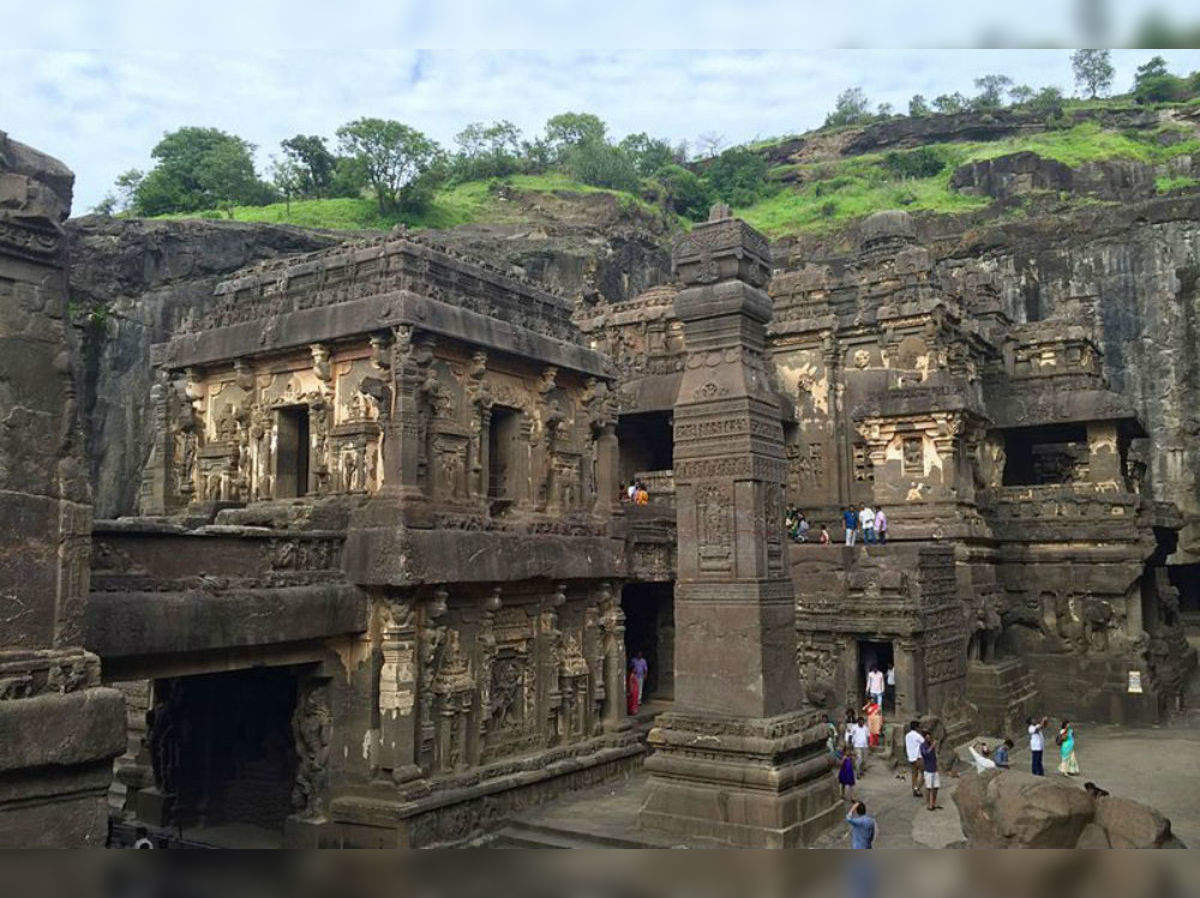



About the PODIUM PRO BLOG
Welcome to the safe space, where you get the information you wish for, in a meaningful and practical manner.